
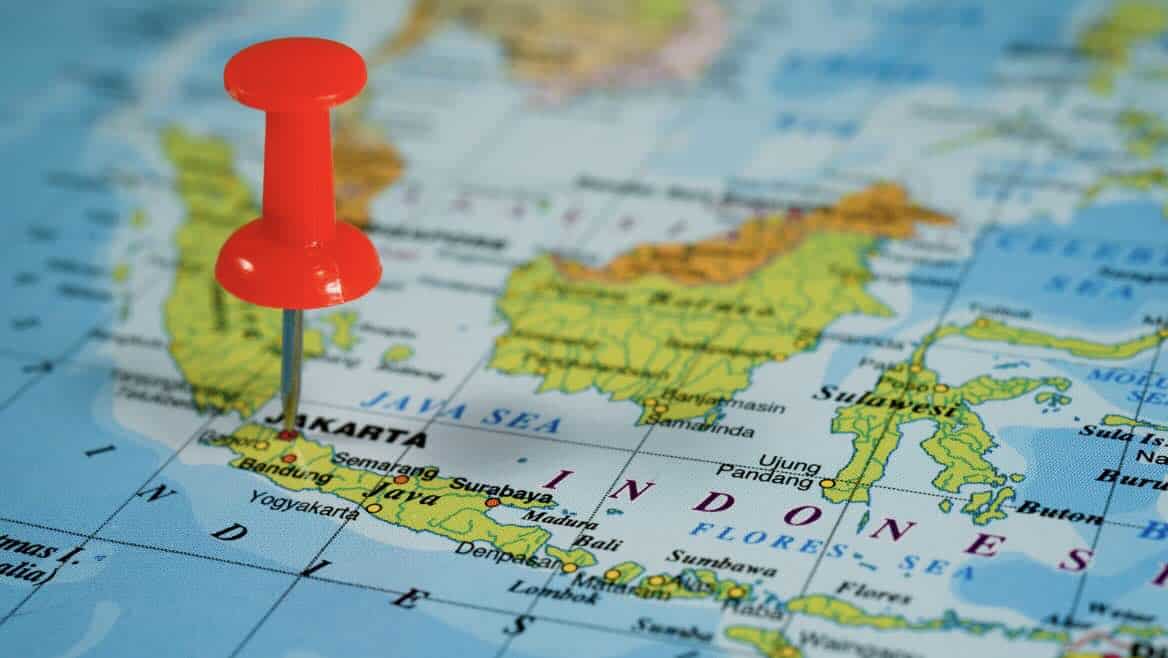
According to the World Bank, Indonesia’s GDP growth will outpace its rivals in Southeast Asia, such as Malaysia, Thailand, Vietnam, the Philippines, Cambodia, Singapore, and Laos.
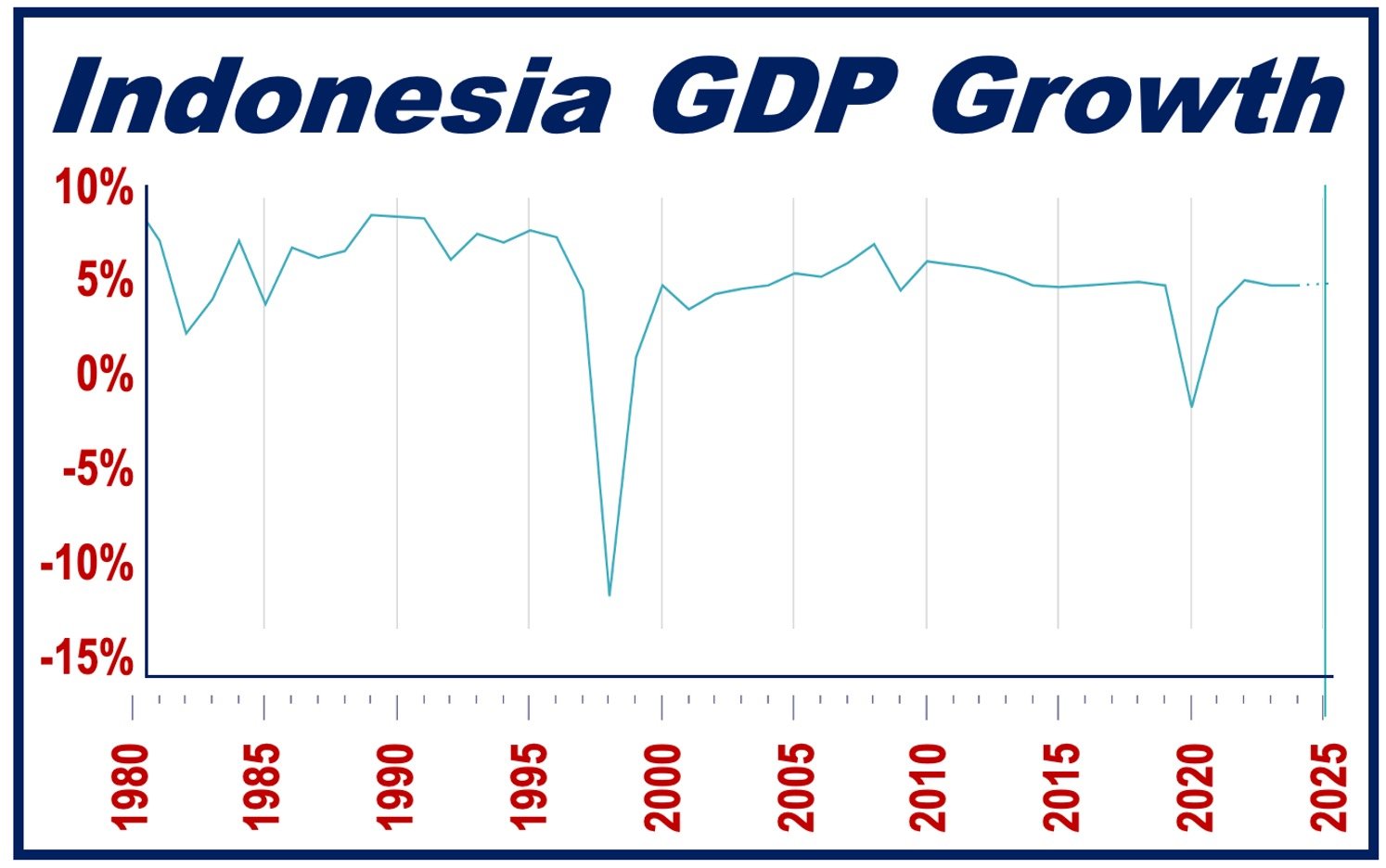
Indonesia’s economy is forecast to grow by 5.1% annually in 2025 and 2026. This is faster than the 4% forecast for developing economies worldwide. Indonesia grew by 5% in 2024.
The World Bank predicts global economic growth for 2025 and 2026 to be 2.7% per year, which is similar to 2024’s figure. The drivers behind worldwide growth are declining interest rates and inflation.
However, last year’s growth and the forecasts for the next two years are lower than the global and Indonesian pre-pandemic growth rates. Experts say that current and recent rates of growth are not enough to reduce poverty or achieve broader development goals in a significant way.
In a report published in December 2024, the World Bank wrote:
“Global growth is expected to hold steady at 2.6 percent in 2024 before edging up to an average of 2.7 percent in 2025 and 2026. Although this is promising, it is still well below the 3.1 percent average in the decade before the COVID-19 pandemic.”
The World Bank added:
“Alongside decelerating activity in China, export growth is likely to slow most in countries that experienced the strongest rebounds—particularly in highly export-oriented economies such as Malaysia.”
“In contrast, where trade growth was slower last year and economic activity relies more on domestic demand, including in Indonesia, steadier trade growth is expected over the forecast horizon.”
GDP Growth – Developing Economies
Developing economies (developing countries) are expected to end this year with the worst long-term GDP growth outlook since the beginning of this century.
Developing countries today represent 45% of the global economy, compared to just 25% in 2000. They are becoming increasingly more important economically on a global scale than they once were. The World Bank said that they face major headwinds.
Indonesia: Population and Economy
Indonesia, home to more than 275 million people, has the world’s fourth-largest population.
This vast Southeast Asian archipelago consists of over 17,000 islands, Java being the most populous.
The country contains a rich blend of ethnicities, languages and culture, making it one of the world’s most culturally vibrant nations.
It is a member of the G20, a group of the world’s 19 largest economies plus the European Union.
Indonesia’s economy is a mix of natural resources, manufacturing, and services. Over the past decade or so, it has experienced GDP growth of approximately 5% per year. However, the rate declined during the COVID-19 pandemic, as it did in the rest of the world.
-
Economic Components
Agriculture: a major sector that employs millions of people. The country is an important producer of rice, palm oil, coffee, and rubber.
Mining and Energy: Indonesia is a major exporter of natural gas, nickel, gold, and coal.
Manufacturing: Industries like automotive, textiles, and electronics play a vital role.
Tourism: According to Road Genius, 11.6 million international tourists visited the country in 2023, a figure lower than pre-pandemic levels. In 2019, international tourist numbers reached 16.1 million. When the pandemic started in 2020, visitor numbers plummeted by 74% to 4.1 million.
Despite its impressive post-2000 economic achievements, Indonesia faces challenges such as income inequality, environmental sustainability, corruption, climate change, education quality, healthcare accessibility, and infrastructure gaps.
