
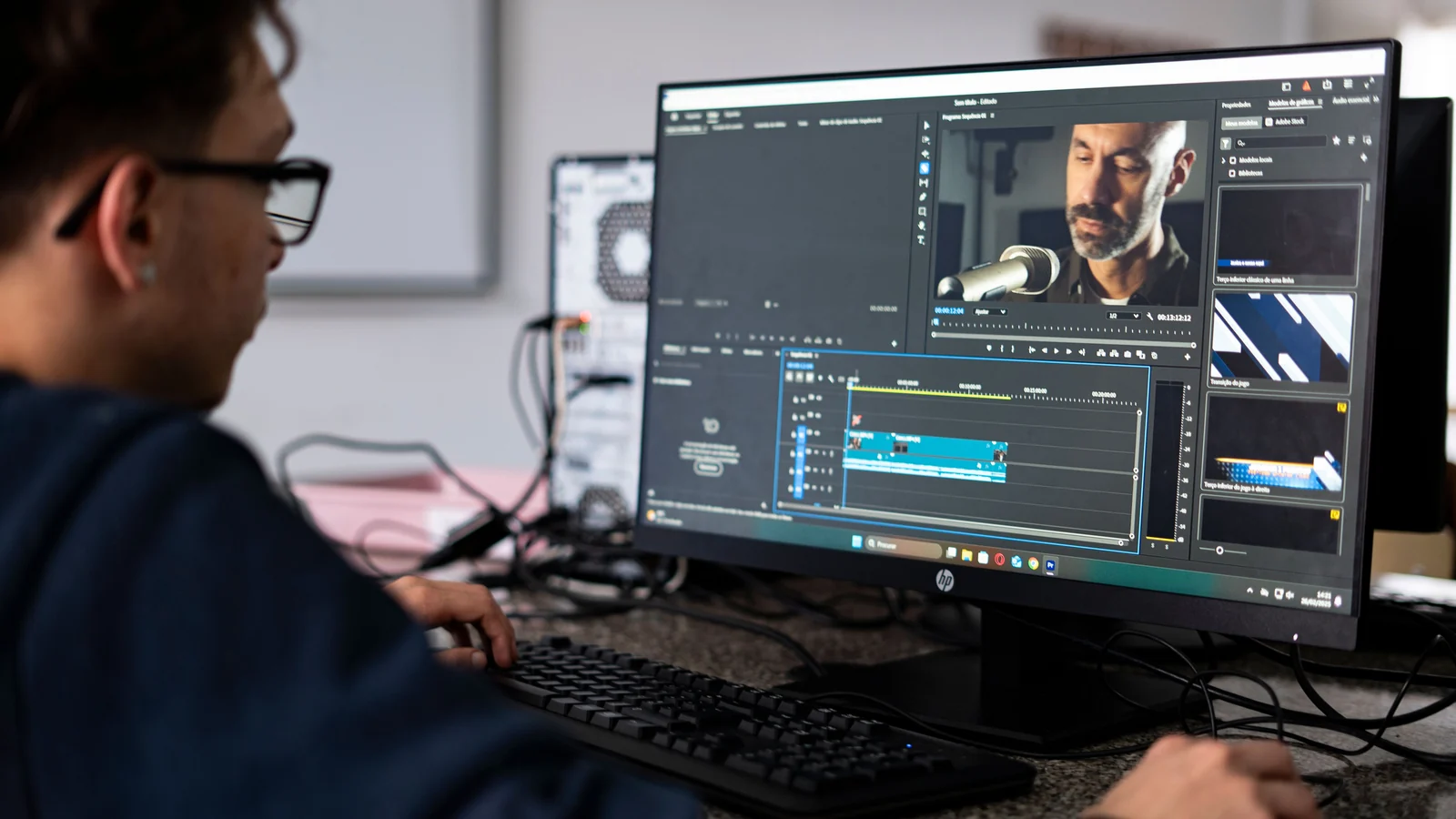
Video has become one of the most important formats in digital marketing, but production costs have long kept small firms on the sidelines. X Imagine AI, which recently upgraded into a general-purpose AI video generator, is one of the platforms starting to narrow that gap.
For most of the past decade, video has been the format that drives engagement on social media, e-commerce listings and digital advertising. It has also been one of the most expensive to produce. Filming, editing and post-production require equipment, skills and time that many small businesses simply do not have.
That cost gap matters. When larger companies can publish polished video every week and smaller competitors cannot, the difference shows up in visibility, conversion and, ultimately, revenue. For small firms competing in crowded online marketplaces, content production has quietly become a barrier to growth.
A shift in the economics of content
Generative AI is changing that equation. A new generation of tools can produce short video clips from a single image or a written description, turning what used to be a production project into a task that takes minutes.
The most immediate use case is product marketing. Retailers and makers can animate product photos with AI, adding camera movement, depth and lighting to images they already own. For a small online shop, that means existing catalog photos can become video ads, social posts or marketplace listings without a new shoot.
Text-based generation goes a step further. Instead of filming, a business describes the scene it wants, and AI video creation tools produce the clip. This lowers the cost of testing ideas: a marketing team can try several creative directions before committing budget to a professional production.
Why multi-model platforms are gaining ground
As the technology has matured, the market has fragmented. Different AI models excel at different tasks: some produce more realistic footage, others handle motion or stylized visuals better. For businesses, keeping track of which model suits which job, and paying for several separate subscriptions, adds friction and cost.
This has led to the rise of platforms that bring multiple models together in one place. X Imagine AI is one example. The company recently upgraded its platform into a general-purpose AI video generator, adding a model library and expanding its lineup to include model families such as Seedance, Kling AI, MiniMax Hailuo, Google Veo and Grok Imagine.
The logic behind the upgrade reflects a broader trend in the market: no single model is right for every project. By letting users compare and switch between engines in the same workspace, a multi-model AI video platform reduces the need to manage several tools and subscriptions at once.
What businesses should weigh
AI video is not a replacement for every type of production, and companies adopting it should do so with clear expectations:
Quality varies by task. Short social clips and product animations are where the tools perform best today. Long-form or highly branded campaigns may still need professional production.
Test before committing. Many platforms, X Imagine AI among them, offer free credits on signup, allowing businesses to evaluate results before paying for a plan.
Check commercial terms. Usage rights for AI-generated content differ between platforms and should be reviewed before content is used in advertising.
Keep the brand consistent. AI can speed up production, but tone, visual identity and messaging still need human oversight.
A lower barrier, not a level playing field
AI video tools do not erase the advantages of larger companies, which still have bigger budgets, established brands and dedicated creative teams. But they do lower one of the most visible barriers small firms face online: the cost of producing content at the pace digital channels demand.
For small businesses trying to compete in global online markets, that shift may prove as practical as it is significant. The ability to produce more video, more often and at a lower cost gives smaller players a better chance of being seen.
More information about the platform is available at https://ximagineai.com/
