
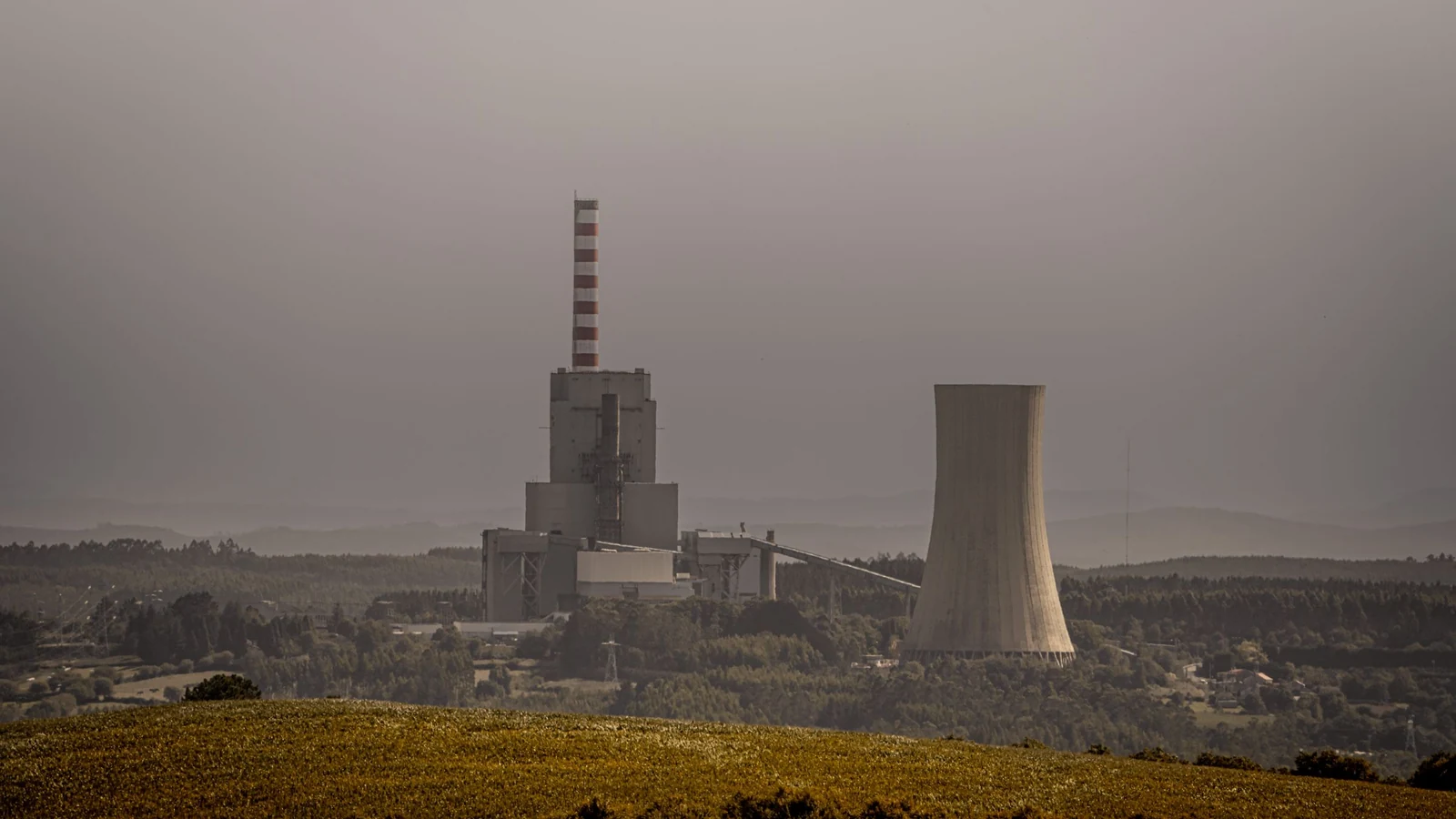
More efficient Chinese coal power plants increased generation and carbon emissions relative to less efficient plants after the launch of the national emissions trading system, according to research on the market’s first years.
Economists Shuang Zhang and Douglas Almond estimate that the higher-efficiency plants’ generation and carbon emissions rose by about 5% relative to the lower-efficiency group. Their analysis examines a feature of China’s system that ties emissions allowances to electricity output.
The study compares plant-level outcomes before and after the 2021 launch. The within-China estimate is a difference between two groups of regulated plants, not a direct measurement of the market’s total effect on national emissions.
How output-based carbon trading works
Carbon trading puts a cost on some greenhouse-gas emissions. Participants receive or buy allowances and can trade them with other firms, subject to the rules of the particular system. Our earlier reporting on carbon markets explains how those rules affect business costs.
China’s national power-sector market uses benchmarks based on emissions intensity, the amount of carbon dioxide emitted for a unit of electricity generated. Allocations are linked to output. A plant performing better than its benchmark may have surplus allowances, while a less efficient plant may need to buy them.
That design can encourage a more efficient plant to generate more electricity. More generation can mean more total emissions even when each unit of electricity is produced with less carbon. Whether the system reduces total emissions depends on what happens across the whole power sector, including any generation displaced elsewhere.
What the researchers measured
Zhang and Almond used satellite-based estimates and machine-learning methods to examine a balanced group of 413 Chinese coal plants operating throughout 2019 to 2023. They grouped plants by their pre-existing generation technology and compared changes in the two efficiency groups.
The higher-efficiency plants showed larger increases in generation and estimated carbon emissions after the market began. The authors found no clear differential reduction in emissions intensity between the groups, although they describe those estimates as imprecise.
To investigate wider effects, the researchers also compared Chinese plants with coal plants in Indonesia and the Philippines. That comparison suggested higher emissions at the more efficient Chinese plants, but the authors note its limitations: only two comparison countries were used, the pre-policy period was short, and the countries differed in their pandemic policies.
The study also reports worse air quality downwind of the higher-efficiency plants relative to the lower-efficiency group. Air pollution and carbon dioxide are separate measures, even though both can be associated with coal combustion.
What the findings can and cannot establish
The research design attempts to separate the market’s incentives from other events, including the post-pandemic recovery and China’s 2021 coal supply and power crisis. Those events make it difficult to isolate a single policy’s effect with certainty. The authors tested several possible competing explanations and treated the cross-country results as suggestive rather than their main evidence.
The analysis covers the market’s early years and selected coal plants. It does not establish the effect of later changes to benchmarks or other parts of China’s energy policy. Its result should not be applied automatically to every emissions trading scheme.
The authors argue that tighter benchmarks or a different design would be needed if the objective is to reduce total carbon emissions. Policymakers also have to weigh electricity reliability, energy costs and the pace at which alternative generation becomes available.
For power producers and their customers, the case shows why the details of a carbon rule matter. A target tied to emissions per unit of output can change which plants generate electricity without guaranteeing that the sector’s total output, or its total emissions, falls.

