
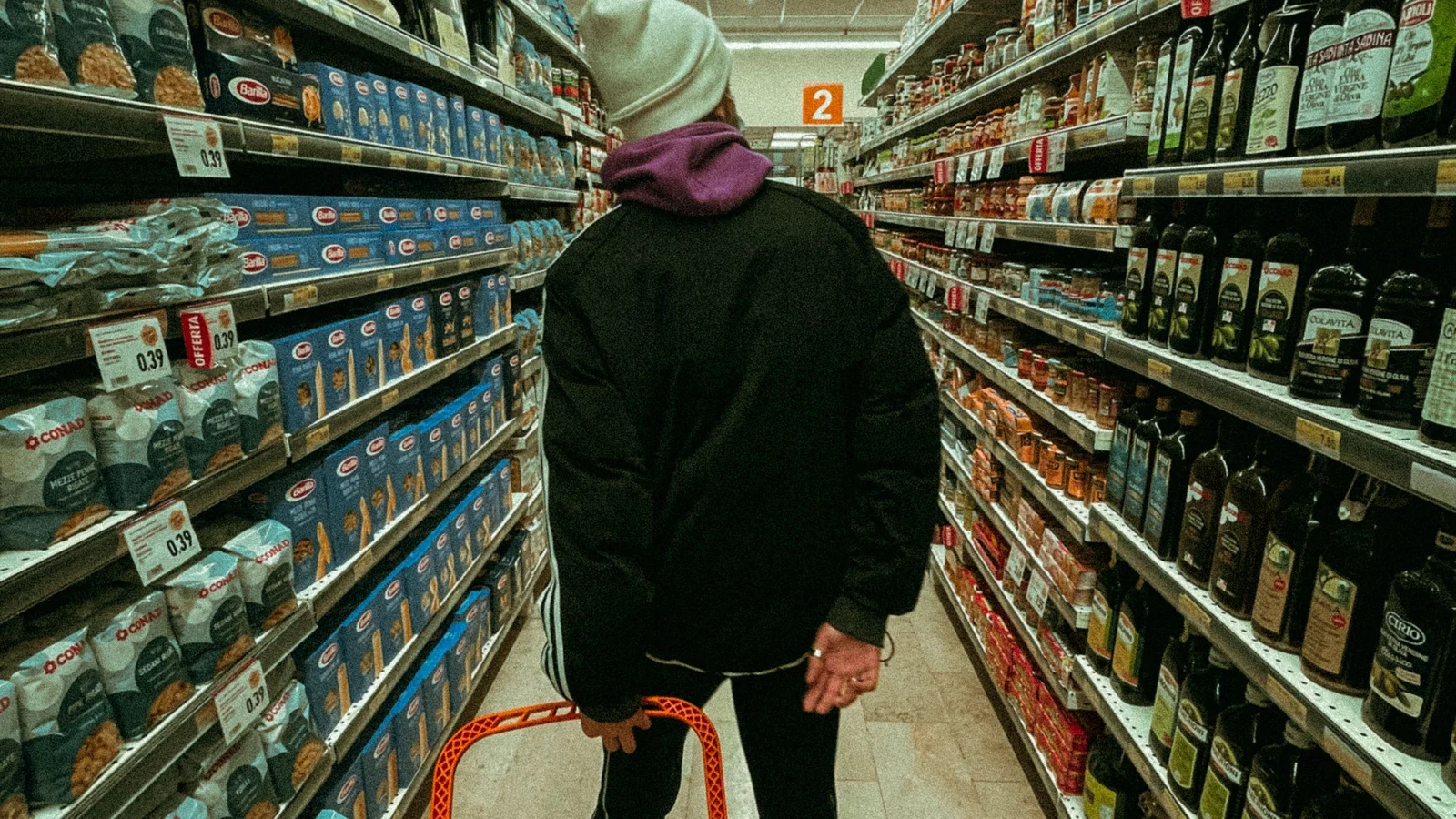
Repeat customers were more likely to notice and respond to a promotion after an unexplained change in a familiar shopping environment, researchers report. The finding suggests that a retailer’s surroundings can influence whether an offer is seen, even when the offer itself has not become more attractive.
The Journal of Retailing study combined two simulated online shopping experiments with a field experiment at a restaurant. Its results describe the settings tested, not a guaranteed increase in sales or profits for every store.
When familiarity makes an offer easy to miss
A person who shops at the same store repeatedly learns where to find familiar products and may pay less attention to new signs or price changes. That can make shopping convenient, but it also means a promotion can be overlooked.
Researchers Robert J. Fisher, Saurabh Rawal, Oliver Rutz and Jianping Liang examined whether a change whose cause was unclear could interrupt that familiarity. They call such a change ambiguous because the customer cannot immediately tell why it occurred.
In the online experiments, a change in background color affected whether repeat shoppers noticed and responded to a price change. In the restaurant test, a laser light in a display case affected loyalty customers’ attention to a menu change and their likelihood of ordering the daily special.
These are different environments and behaviors. The findings do not establish how long the effect lasts or whether an intervention would pay for itself after costs.
Attention is not the same as loyalty
A customer noticing a deal is only one part of a campaign. The price must still be worthwhile, the item must be available, and the offer must be easy to understand. A design that repeatedly surprises or confuses shoppers could make a store harder to use.
Earlier MBN reporting found that a loyalty campaign can lose sales when stores struggle to carry it out. That separate research examined store execution, including the availability of signs and rewards, rather than unexplained changes to the environment.
A practical way to test a change
A retailer considering a change can compare similar locations or randomly assigned website visitors, while keeping the promotion itself consistent. Useful measures include whether shoppers notice the offer, whether they buy the promoted item and whether purchases replace full-price sales.
The cost of signs, development and any discount should be included alongside revenue. Accessibility matters too: visual effects should not make information difficult to read or create problems for customers sensitive to flashing light.
The study gives businesses a reason to examine the setting around a promotion, not only the wording of the deal. A well-run test can establish whether a modest change helps shoppers find a genuinely useful offer in that particular store.

