
A safari in South Africa can mean tracking lions in an open vehicle before sunrise, or it can mean a short game drive squeezed between wine tastings in the Cape winelands. The country offers both extremes and everything in between, which is exactly why first-time visitors often feel overwhelmed before they’ve even booked a flight. This guide breaks down the practical decisions that actually shape a good trip: where to go, when to go, and what it costs to do it right.
Decide Between a Private Reserve and a National Park
Kruger National Park is the most famous safari destination in the country, and for good reason. It is enormous, self-drivable, and far cheaper than private alternatives, with accommodation prices that vary by camp, season and room type. Check current rates and park fees with SANParks before booking.
Private reserves bordering Kruger, such as Sabi Sand or Timbavati, offer a different experience entirely. Fences between these reserves and the park were removed decades ago, so animals move freely, but vehicles in private reserves can go off-road and get much closer to sightings. Prices and inclusions vary by reserve and lodge. Check whether quoted rates include meals, drinks, park fees and guided drives.
If budget is the main concern, self-driving through Kruger and staying in park-run camps is the most economical way to see the Big Five. If you want a guide who radios other vehicles the moment a leopard is spotted, and you don’t mind paying for that convenience, a private reserve is worth the splurge.
Choose the Right Time of Year
South Africa’s dry season, from May through September, is the best stretch for most travelers. Vegetation thins out, animals cluster around rivers and waterholes, and visibility improves dramatically. June through August also brings cooler mornings, which can mean frost in open vehicles, so pack layers even though it’s technically winter in the Southern Hemisphere.
The wet season, November through March, brings lush scenery, newborn animals, and dramatic afternoon storms, but thicker bush makes spotting wildlife harder. It also coincides with peak birthing season for impala and wildebeest, which draws predators out more actively in some areas. Shoulder months like April and October often strike a good balance between good weather and lower crowds.
Pick a Region Beyond Kruger
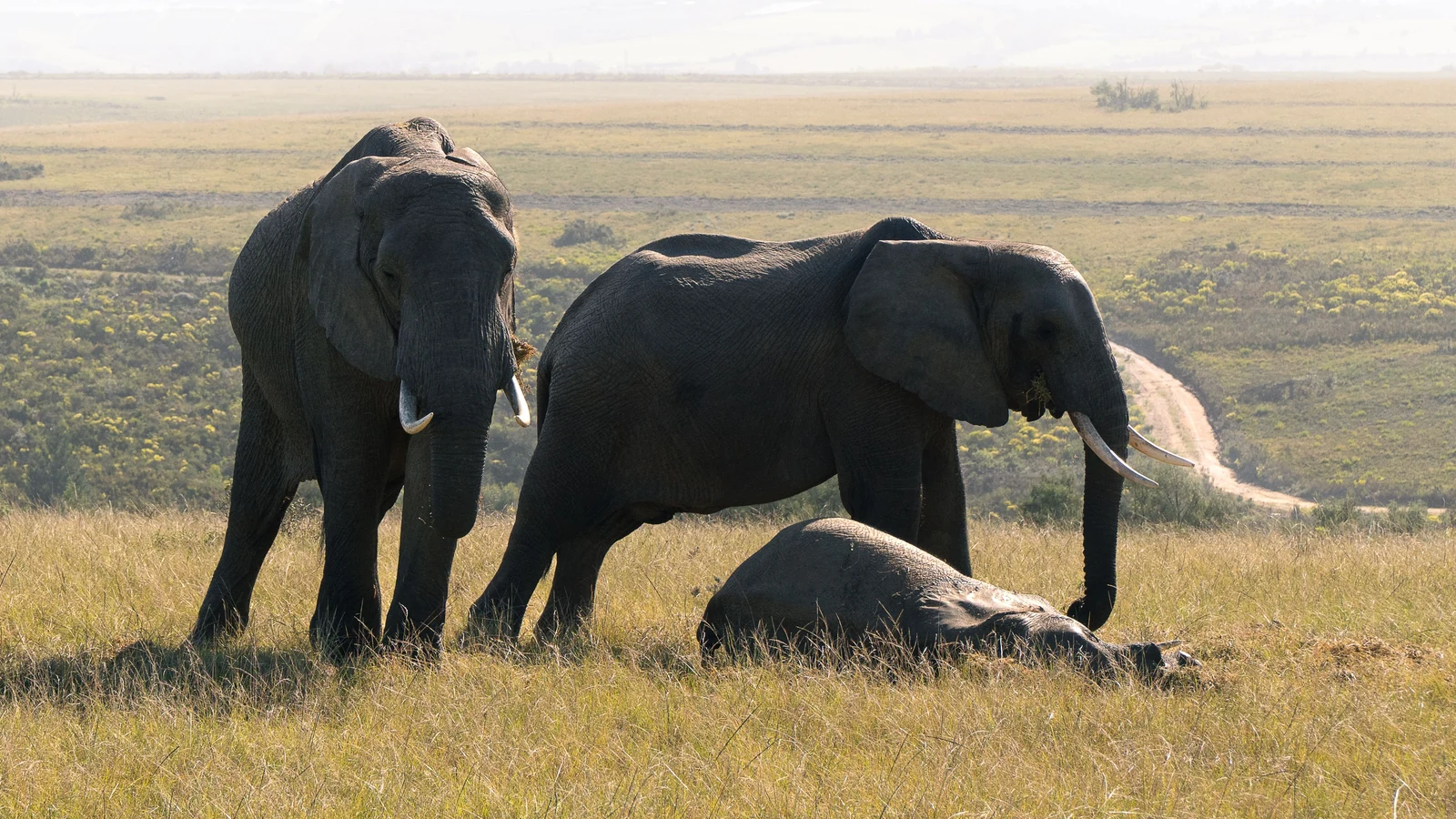
Kruger gets most of the attention, but it isn’t the only option. Madikwe Game Reserve, near the Botswana border, is malaria-free and known for wild dog sightings, making it a solid choice for families with young children. Addo Elephant National Park in the Eastern Cape is also malaria-free and home to over 600 elephants, along with lions, buffalo, and the occasional sighting of southern right whales offshore between June and November.
For travelers combining safari with other parts of the country, the Eastern Cape works well with a Garden Route road trip, while Madikwe pairs easily with a few days in Johannesburg or Sun City. Thinking about the full itinerary, not just the reserve itself, helps avoid excessive backtracking across a country that is larger than most people expect.
Budget for More Than Just the Lodge
Flight and transfer costs vary substantially by departure city, season, baggage and route. Compare international flights with the domestic flights or road transfers needed to reach your chosen reserve. Many travelers underestimate these connecting costs and end up surprised by the total trip price.
Tipping is also expected and budgeted separately. Ask your lodge about its current tipping guidance for guides, trackers and other staff, including whether gratuities are already included. Factoring this in ahead of time avoids an awkward scramble for rand or dollars on the last morning.
For travelers comparing packages, South Africa safari trips vary in price and inclusions. Compare the full cost, including drives, meals, transfers and park fees, with other destinations before booking.
Pack for Temperature Swings, Not Just Heat
Morning game drives in winter months can start at 6 a.m. in temperatures near freezing, then climb to 75°F by midday. Layering is more useful than any single heavy jacket. A warm fleece, a windbreaker, and a wool hat make the early drives bearable, especially in open vehicles.
Neutral-colored clothing in khaki, olive, or brown works better than bright colors or white, which can spook animals or show dust too easily. Closed shoes are standard even in warmer months, since most lodges require them for walking between tents or chalets after dark.
Confirm Health and Entry Requirements Early
Parts of Kruger and the Lowveld region carry a malaria risk, so antimalarial medication is worth discussing with a travel doctor at least a month before departure. Madikwe and Addo are commonly described as malaria-free alternatives. Pregnant travelers and families with young children should seek individualized medical advice about destinations, preventive medicines and mosquito precautions. See the CDC’s South Africa guidance.
Visa requirements depend on nationality, passport type, purpose and length of stay, so check the current rules with South African authorities before booking. South African official guidance generally requires a passport valid for at least 30 days after the intended departure, with blank pages for endorsements; travelers should check the requirements for their circumstances and airline. See visa guidance and the border management travel advisory. It’s a smaller detail than picking a lodge, but it’s the kind of thing that can derail a trip if ignored until the week before departure.
The best safari trips are the ones planned around a clear priority, whether that’s seeing the Big Five on a budget, avoiding malaria zones with kids in tow, or getting as close to a leopard as a vehicle legally can. Pick that priority first, then build the reserve, season, and itinerary around it rather than the other way around.
