

Bank of England

BoE policymaker says UK may need additional monetary stimulus after June vote

Written by Joseph Nordqvist

Published: 04:28, May 20, 2016

Bank of England policymaker Gertjan Vlieghe said that the UK central bank may have to provide the economy additional monetary stimulus if it does not recover after the June vote on whether Britain should remain in the European Union.

Growth has slowed since the post-recession peak in expansion reached two years ago, Vlieghe said in a speech at London Business School. He cited lacklustre global growth, a squeeze on British public spending and poor productivity growth as the main reasons for the slowdown in growth, adding that recent weakness has also been a result of less investment by companies ahead of the June vote.
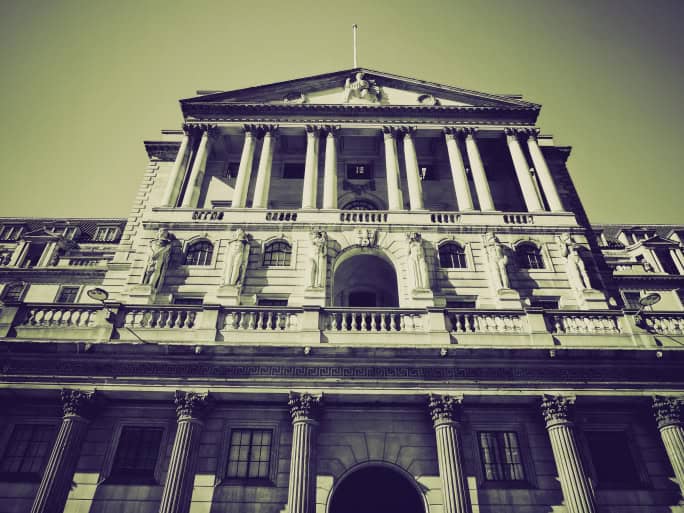
Bank of England

Annual inflation measured at 0.3% in April, well below the central bank’s 2% goal.

The BoE warned last week that if the UK votes to leave the EU there could be a spike in inflation and a slowdown in economic growth.

Mr. Vlieghe would like to see “convincing evidence of an improvement in the economic outlook” after June’s vote, assuming the UK opts to stay in the EU.

“If such improvement is not apparent soon, this will reduce my confidence that inflation is likely to return to the target within an acceptable time horizon without additional monetary stimulus,” Vlieghe said.


“The loss of UK growth momentum and absence of a meaningful pick-up in inflationary pressures has been a rather gradual process over the past few years, but, cumulatively, it adds up to a significant downward revision … to which monetary policy has not responded so far,” he added.

Monetary policy refers to what central banks do to make sure the economy is moving in the right direction. It includes adjusting interest rates, aiming for an inflation target set by the government, and achieving optimum empoyment.

Vlieghe said it remains unclear how the central bank would respond in the event of the UK voting to leave the EU, saying that it would depend on unpredictable moves in the exchange rate and supply and demand.

Joseph Nordqvist Avatar

Other News

Cart reminder timing is linked to different shopper responses

Nov 12, 2026

AI labels changed how consumers judged food images in three experiments

Nov 12, 2026

Shared AI tools were linked to higher sales for small online sellers

Nov 12, 2026

An image ad people like may not be the one they remember

Nov 12, 2026

Upfront rental prices changed competition as nightly rates rose in a study

Nov 12, 2026

Showing payment options earlier can influence online purchase decisions

Nov 11, 2026

Cash-back offers for positive reviews brought more responses but fewer repeat purchases

Nov 11, 2026

Turning a free business service into a paid one is harder than changing the price

Nov 11, 2026

Small businesses that sought customer feedback reported higher revenue in Rwanda experiment

Nov 11, 2026

Checkbox coupons were less effective than direct discounts in an online shopping experiment

Nov 11, 2026

The way online reviews are organized can make them more useful to shoppers

Nov 11, 2026

AI feedback helped some customer service agents in a workplace study

Nov 11, 2026

In-store screens can increase purchases of advertised products, retail study finds

Nov 11, 2026

A loyalty campaign can lose sales when stores struggle to carry it out

Nov 10, 2026

Offering a choice of discounts can sometimes reduce purchases, study finds

Nov 10, 2026

A fee to place a bid can lift a seller’s profit, but the effect may fade

Nov 10, 2026

Experiences can make loyalty rewards more engaging, retail research finds

Nov 10, 2026

Most emerging-market firms in an IFC survey use AI, but few have embedded it across core operations

Nov 10, 2026

Startups given examples of AI workflows found more uses for the technology

Nov 9, 2026

Showing product costs can change how shoppers judge a brand’s motives

Nov 9, 2026