
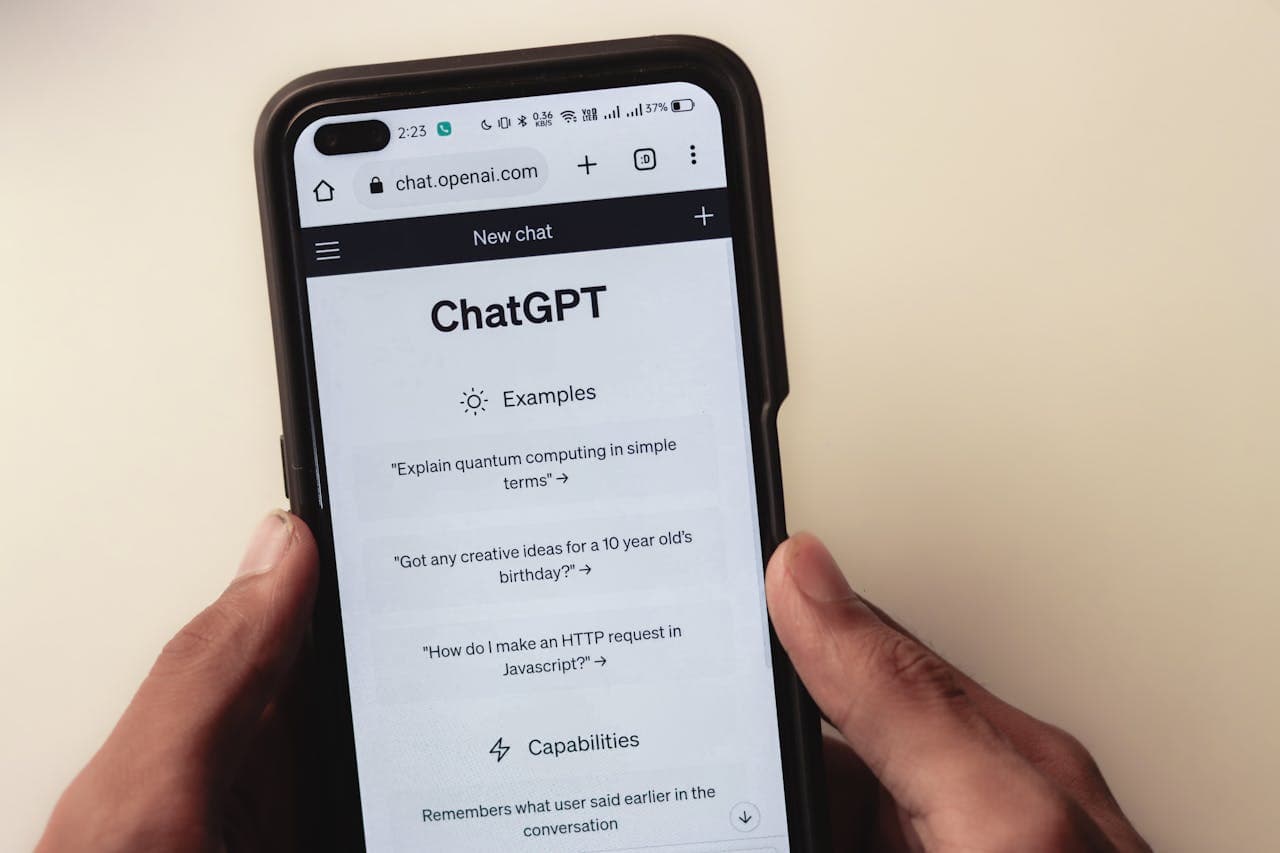
OpenAI has just introduced a long-awaited upgrade to ChatGPT’s memory. As of now, the LLM can reference all your past chats.
Previously, you could tell ChatGPT to “remember” certain facts or preferences (for example, through custom instructions or a manage memory tool). Now, however, ChatGPT will automatically draw on all your past chats to inform its responses, in addition to any specific memories you saved manually. The goal is to make conversations with ChatGPT feel more natural and tailored. You won’t have to repeat things you’ve already told it as it will recall them on its own.
You’ll notice it starts picking up your tone, referencing past projects, and continuing threads without you needing to repeat yourself.
This is more than a tweak. It’s a shift in how AI assistants behave and how you can use them.
Starting today, memory in ChatGPT can now reference all of your past chats to provide more personalized responses, drawing on your preferences and interests to make it even more helpful for writing, getting advice, learning, and beyond. pic.twitter.com/s9BrWl94iY
— OpenAI (@OpenAI) April 10, 2025
If you told ChatGPT last month that you’re writing a sci-fi novel set on Mars, it can now help you brainstorm the next chapter without needing a recap. Happen to mention that you’re vegetarian once? It’ll remember next time you ask for recipe ideas.
Put simply, it means less backstory is needed every time you ask a question as it already has some background to work with, leading to more relevant answers.
The memory upgrade is now available to ChatGPT Plus and Pro users in most countries.
Not everyone has access to it yet though. Users in the UK, EEA, Switzerland, Norway, Iceland, and Liechtenstein don’t have access for now. OpenAI says the delay in this rollout is due to ongoing privacy reviews in those regions.
Team, Enterprise, and Educator accounts will get the update in the coming weeks.
Will It Make Users Less Likely to Switch?
Memory might not just be a feature, but also a lock-in mechanism.
The more ChatGPT learns about you, the more useful it becomes. It knows your writing style, your goals, your tone preferences, and your quirks. It remembers how you like emails formatted, what projects you’re juggling, and which tasks you tend to procrastinate on.
That kind of accumulated context doesn’t transfer easily.
Switching to another AI model would essentially mean starting over. You’d have to retrain the new assistant from scratch and go through the process of re-explaining who you are, what you’re working on, and how you like things done. That’s inconvenient and could become a core reason people will stick to an AI model that knows and understands them best.
Memory also creates a sense of familiarity. It makes interactions feel more human, more fluid. Once users get used to that, especially in professional workflows, it’s hard to go back to a blank-slate assistant.
