
Global oil demand has fallen much more than experts had expected, Goldman Sachs informed on a note on Friday, 5 June 2026. This poses two-sided risks (up or down) to its forecast of $90 per barrel for Brent crude and $83 for West Texas Intermediate (WTI) during the last quarter of this year.
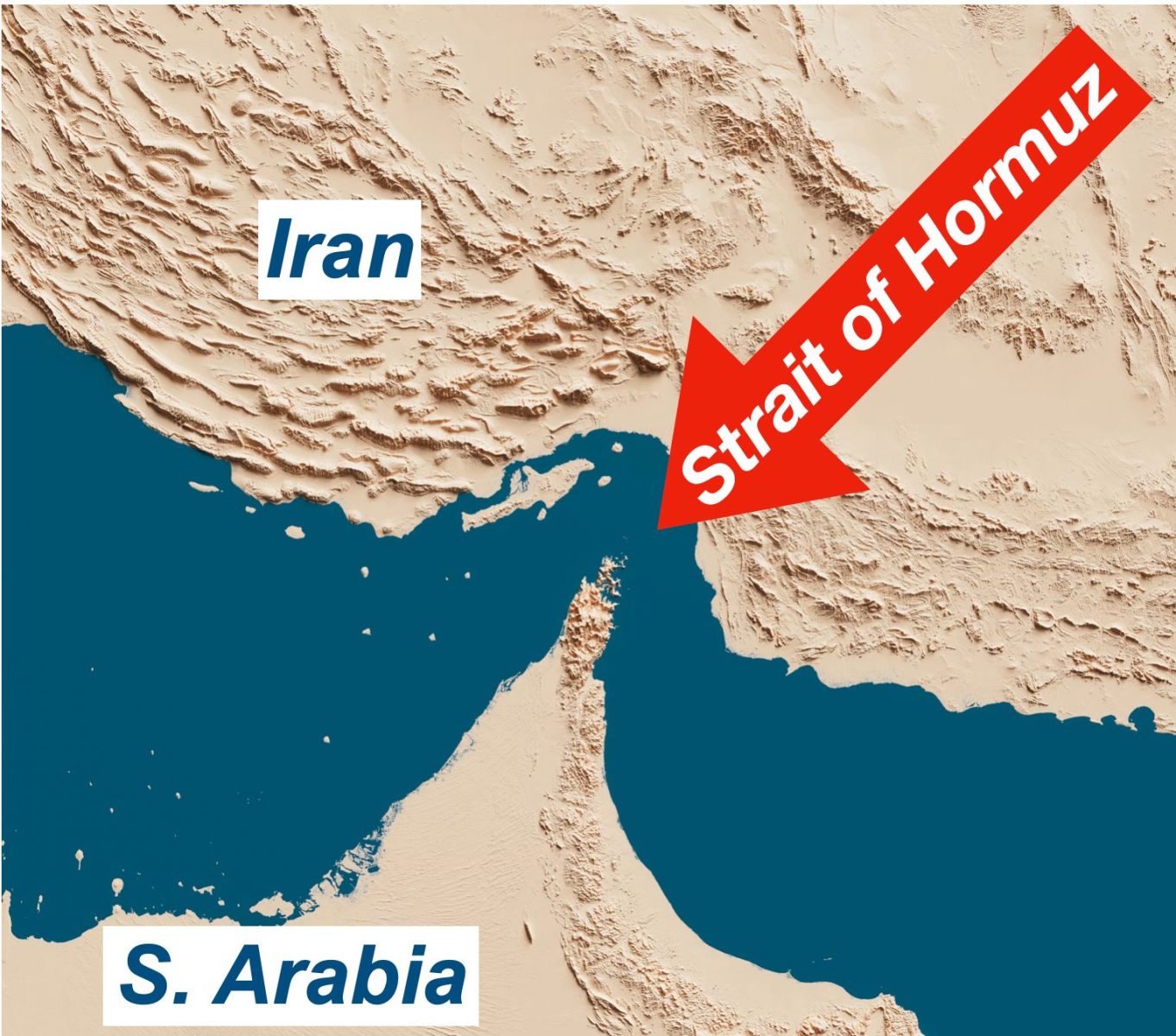
Goldman Sachs had estimated a decline in global oil demand of 4 million to 5 million barrels per day in April. Iran’s closure of the Strait of Hormuz, through which 20% of the world’s oil travels, appeared to have reduced global demand by 4% to 5%.
Weaker consumption in Western Europe and China drove much of the decline in demand. In those two parts of the world, retail fuel sales reports for April were soft, Goldman Sachs explained.
Goldman’s approaches were based on:
- An analysis of worldwide refinery runs;
- Estimates from well-known forecasters and trading houses; and
- High-frequency measures of oil demand.
While falling demand may bring oil prices down, prices could also rise, the bank added, especially if the Strait of Hormuz remains closed, which would lead to a further slump in global supplies.
Brent crude futures dropped by $1.94 or 2.04% on Friday to $93.09 per barrel, while WTI fell by $2.50 or 2.69% to $90.54 per barrel.
Rising inflation
The war in Iran and the Strait of Hormuz closure have dramatically altered the inflation outlook in the US, UK, Europe, and much of the rest of the world.
According to the Bank of England’s Monetary Policy Report April 2026, increasing gasoline and diesel prices had an immediate impact on British households. In March, UK inflation rose unexpectedly to 3.3%. In April, inflation stood at 2.8%, which was still higher than the central bank’s target of 2%. Most central banks aim for an inflation rate of 2%.
Financial analysts and the Bank of England believe that the inflation dip from 3.3% in March to 2.8% in April will be short-lived. They predict that shipping and energy supply bottlenecks will push inflation back up during the second half of 2026.
Interest rates
- United States
In the United States earlier this week, Cleveland Fed president Beth Hammack warned that the country’s central bankers may soon have to raise interest rates. There are concerns, she explained, that rising prices could get locked in.
Hammack said:
“Preventing an inflationary mindset is critical to delivering on our 2 percent objective. Increases in inflation expectations that threaten our goal warrant taking decisive action. For today, it’s reasonable to keep rates steady given the uncertainties around the economic outlook. But if recent trends continue, it may soon be appropriate to act.”
- United Kingdom
Megan Greene – a member of the Bank of England’s Monetary Policy Committee (MPC), explained during a University of Derby policy speech that higher interest rates over the weeks or months to come may be necessary to prevent the country from sliding into a sustained period of above-target inflation.
- Eurozone
Prof. Joachim Nagel, President of the Deutsche Bundesbank (Germany’s central bank), confirmed that the European Central Bank’s Governing Council discussed an interest rate hike in their last meeting. They will discuss the possibility again in their next session on 11 June.
