
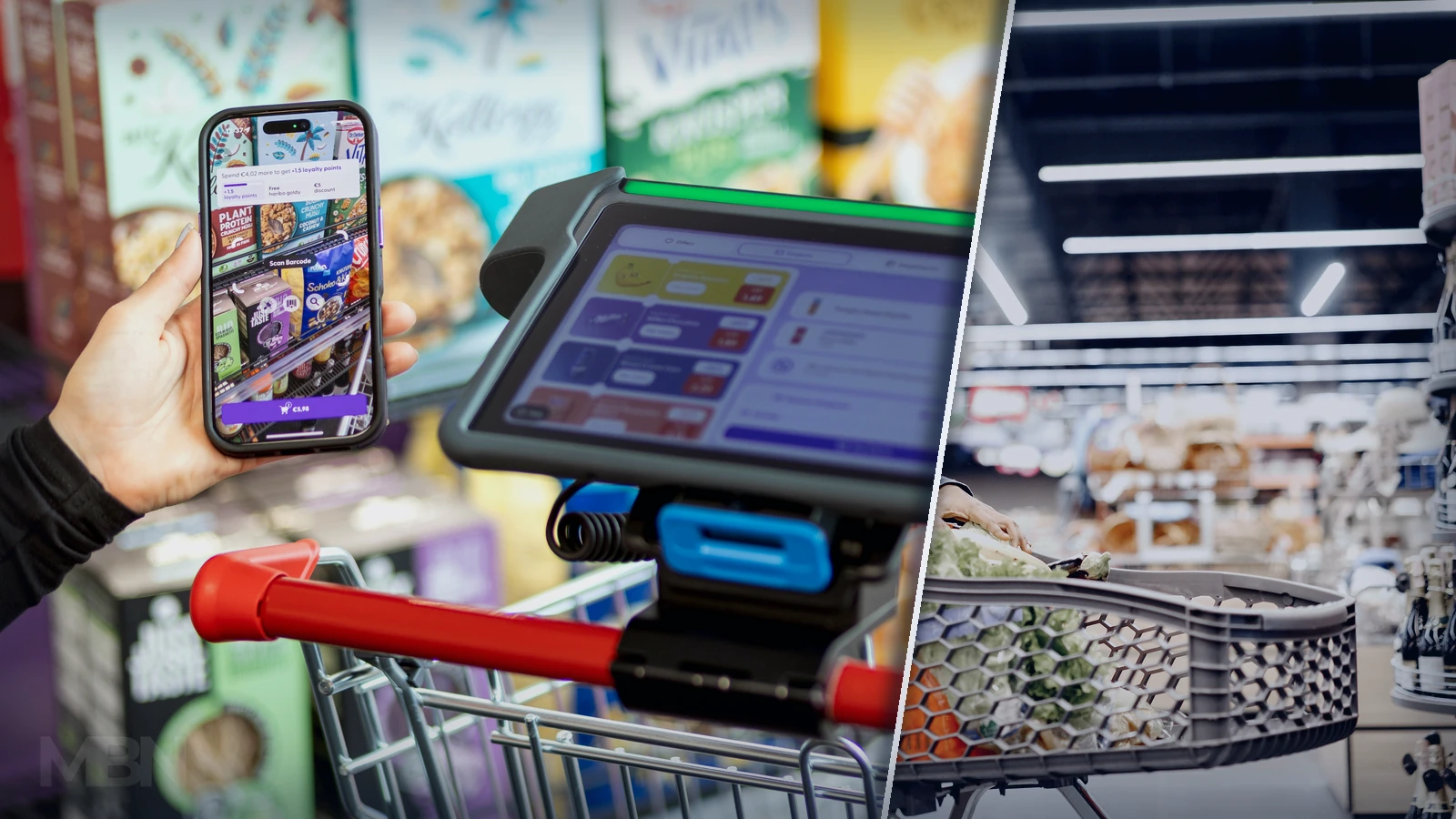
Shopping sessions in which customers used a smart trolley screen had basket values 32% higher on average than sessions without screen use, according to an analysis of 12,418 trolley sessions at a German supermarket.
Active-use sessions also contained 25% more items and lasted 23% longer. However, the researchers did not randomly assign customers to use the technology, so the findings do not show that smart trolleys caused the differences.
The study, published in the Journal of Business Research, was conducted by Sabrina A. Gottschalk, Annika Lorenz-Kornfeld, Yusuf Oc and Nils Eisler. It used trolley records collected over one month in March 2025 at a supermarket in a metropolitan area in western Germany.
Users spent more and stayed longer
All trolleys at the store offered the same smart functions, but customers could decide whether to use the screen.
Of the 12,418 sessions, 9,422 involved active use and 2,996 did not. These were trolley sessions rather than a count of unique customers, meaning the data could include more than one visit by the same person.
Bayes Business School reported that the basket-value gap was particularly large in the afternoon and at weekends. The difference in the number of items was larger in the afternoon and evening, while the biggest difference in shopping time occurred in the evening.
The study was observational. Customers planning a larger or less hurried shop may have been more inclined to use the screen. The technology may also have influenced some purchases. The trolley records cannot separate those explanations.
Shopping lists and heavy use produced different patterns
Customers could upload shopping lists to the system. Sessions involving a list upload were associated with higher basket values, fewer items and shorter trips through the store.
The records do not reveal why. A list may have helped customers complete a planned shop more efficiently, but the study did not measure their intentions or establish whether they selected more expensive products.
The researchers also examined “superuser” sessions with more than 20 screen interactions. Those sessions contained more items and lasted longer, but did not produce higher overall spending.
As interaction counts rose beyond a certain level, basket values and item numbers began to fall. The public study summary did not identify a precise turning point. The researchers proposed that some heavy users may have been engaging with the technology partly for enjoyment, although their motives were not measured.
The results suggest that retailers should not treat every screen interaction as equally valuable. A shopping-list function was associated with a faster, smaller-basket trip, while frequent interaction was associated with more time in the store without more money being spent.
Gottschalk said: “Consumers should be wary of relying solely on devices.”
She added that shoppers should remain aware of how digital prompts and recommendations may affect their decisions.
Morrisons has begun a UK smart-trolley trial
The study arrives as more supermarkets test similar technology. On 28 July 2026, Morrisons launched a trial of Instacart’s Caper trolleys at its Preston store.
The trolleys recognise items placed inside, weigh fresh produce, display a running total and show product recommendations and loyalty savings. Customers finish by scanning a barcode at a dedicated Caper checkout, so the system is not fully checkout-free.
Morrisons described the launch as Instacart’s first Caper deployment with a UK retailer. The German research does not prove that such systems will lift sales at Morrisons or elsewhere, but it shows why retailers are interested in the trolley as both a shopping aid and an in-store digital channel.
The evidence remains limited to one German store and one month of activity. It may not apply to other formats, countries or customer groups. The paper also disclosed that two authors worked for the company that supplied the data. They reported no financial incentives or career gains tied to the results.
Trials across more stores, together with randomised tests, would be needed to determine whether the technology itself changes how much customers buy.
