
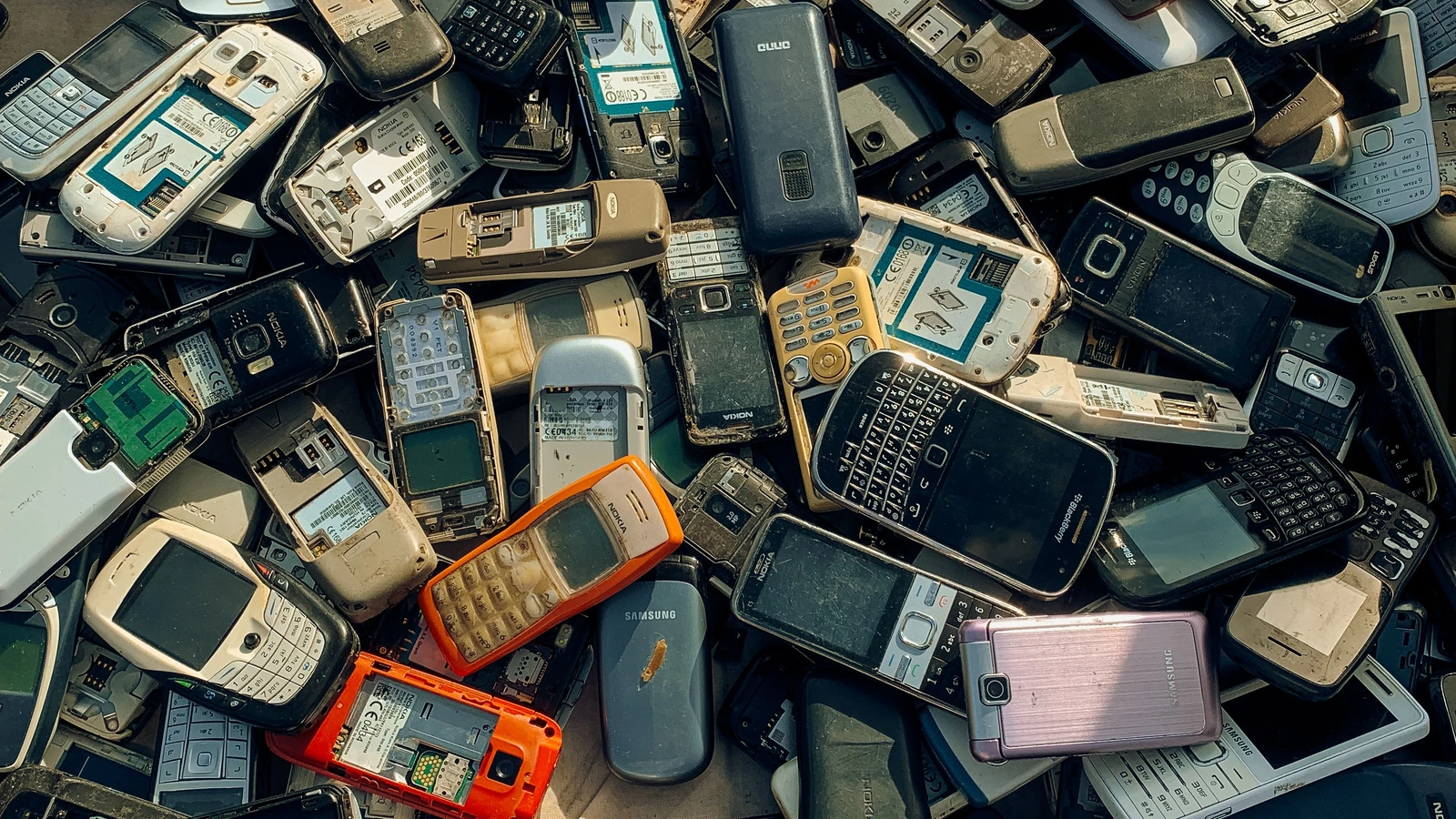
The EU collected 12.3 kilograms of electrical and electronic waste per person in 2024, but its reported collection rate remained only 39%, against a 65% target under the main measurement method.
Eurostat’s figures, released on 14 October, show that collection rose by 0.7 kilograms per person from 2023. New equipment placed on the market weighed 32.4 kilograms per person in 2024.
Electrical and electronic waste, commonly called e-waste, includes discarded phones, computers and household appliances. The data cover a much wider range than consumer gadgets, including large equipment and solar panels.
For businesses recovering materials from used electronics, the difference between sales and recorded collection points to a supply problem. Equipment must first reach a collection system before its materials can be recovered through that system.
Sales and collection measure different flows
The difference between new equipment and collected waste cannot be treated as the amount dumped during the year. Products bought in 2024 may remain in use for years, while collected devices may have been purchased much earlier.
Eurostat says equipment may also be stored at home, await disposal or pass into informal treatment that is not recorded. Its reported totals may underestimate both sales and collection because of difficulties tracking online cross-border trade, non-compliant producers and informal operators.
Collection per person has risen from 7.3 kilograms in 2015. Over the same period, new equipment placed on the market increased from 18.1 to 32.4 kilograms per person, with large equipment driving much of the growth.
The target uses a three-year comparison
Under the main method, waste collected in 2024 is compared with the average weight of equipment placed on the market in 2021 to 2023. It is not divided by 2024 sales.
Eurostat’s detailed assessment puts the EU result at 39%, leaving a gap of 26 percentage points to the 65% benchmark. Bulgaria, Slovakia, Czechia and Latvia met that benchmark.
Countries can instead measure collection against the amount of e-waste generated in the same year, with a target of 85%. Nine EU countries used this alternative in 2024; only Poland and Austria achieved it.
Recycling needs a reliable stream of equipment
The European Commission’s e-waste policy links better collection and treatment with access to rare and expensive materials. Discarded equipment can also contain hazardous substances requiring proper treatment.
We recently reported on the EU’s selection of 46 additional raw-materials projects, including recycling operations. More processing capacity still needs material to process. The collection figures measure one part of that chain; they do not establish how much recovered material was suitable for manufacturers to use.
