
Iceland becomes first UK supermarket chain to remove palm oil from own-brand products

Written by Joseph Nordqvist

Published: 12:18, April 10, 2018

Iceland supermarkets has become the first British supermarket chain to stop using palm oil in its own-brand products.

Palm oil is an edible vegetable oil extracted from the fruit of oil palm trees. However, demand for the product has made it one of the biggest causes of deforestation, posing a threat to several species already facing extinction –  such as the orangutan and Sumatran tiger.

The oil’s production has reportedly been the reason for around 8% of the world’s deforestation between 1990 and 2008. The ingredient can be found in products sold in almost all UK supermarkets, from staple food items such as bread to shampoo, soaps and other products.
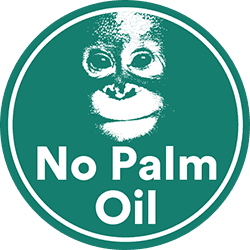
Iceland will use a ‘no palm oil’ sticker on its packaging.

Iceland’s ban only applies to its own-brand products. Other products that the supermarket chain sells may still contain palm oil.

“Until Iceland can guarantee palm oil is not causing rainforest destruction, we are simply saying ‘no to palm oil’. We don’t believe there is such a thing as ‘sustainable’ palm oil available to retailers, so we are giving consumers a choice about what they buy,” said Richard Walker, Iceland Managing Director.

According to a statement on the Iceland supermarkets website, the retailer’s head chef Neil Nugent has been working in the Iceland development kitchen “to remove and replace palm oil” in its own brand food lines with oils and fats “that do not destroy the rainforest.”

“We are also working closely with our trusted suppliers to ensure that changes to our recipes do not impact the cost (or taste) of our own brand products. These efforts reduce the demand for palm oil by more than 500 tonnes per year,” the retailer said.


Joseph Nordqvist Avatar

Other News

Canada’s trade surplus shrinks as exports to the US fall

Sep 5, 2026

El Niño strengthens into 2027, raising risks for food prices, power and trade

Sep 5, 2026

Nvidia agrees to buy Hugging Face for $12.93 billion, pledges to keep platform open

Sep 5, 2026

Global food prices rise as sugar leads August increases

Sep 5, 2026

A weaker currency can lift overseas profits without reviving factories at home

Sep 5, 2026

AI shortcuts may weaken managers’ judgment, researchers warn

Sep 4, 2026

Alibaba updates Qwen3.8 Max as Chinese AI rivals target workplace tools

Sep 3, 2026

Uber and Wayve begin supervised autonomous rides in London

Sep 3, 2026

Dutch central bank raises London share of gold reserves to 32.1%

Sep 3, 2026

Europe’s housing squeeze is becoming a labor market problem

Sep 3, 2026

Vertiv agrees $1.45 billion deal to expand onsite power for AI data centers

Sep 2, 2026

Advanced-economy bond yields are lifting borrowing costs for developing countries

Sep 2, 2026

‘Buy Now, Pay Later’ may lift prices for shoppers who pay upfront, model finds

Sep 1, 2026

Fast delivery can shield nearby sellers from competition

Sep 1, 2026

World Bank says domestic reforms could unlock more trade within Africa

Sep 1, 2026

GoPro agrees Starman merger as action-camera maker looks to AI infrastructure

Sep 1, 2026

UK opens first challenges under £100 million AI procurement scheme

Aug 31, 2026

SLB to buy Kelvion in $4.1 billion deal as it expands into data center cooling

Aug 31, 2026

EU online sellers declared €38.8 billion in VAT through one-stop systems in 2025

Aug 31, 2026

IMF says stablecoins could cut payment costs but weaken monetary control

Aug 30, 2026