
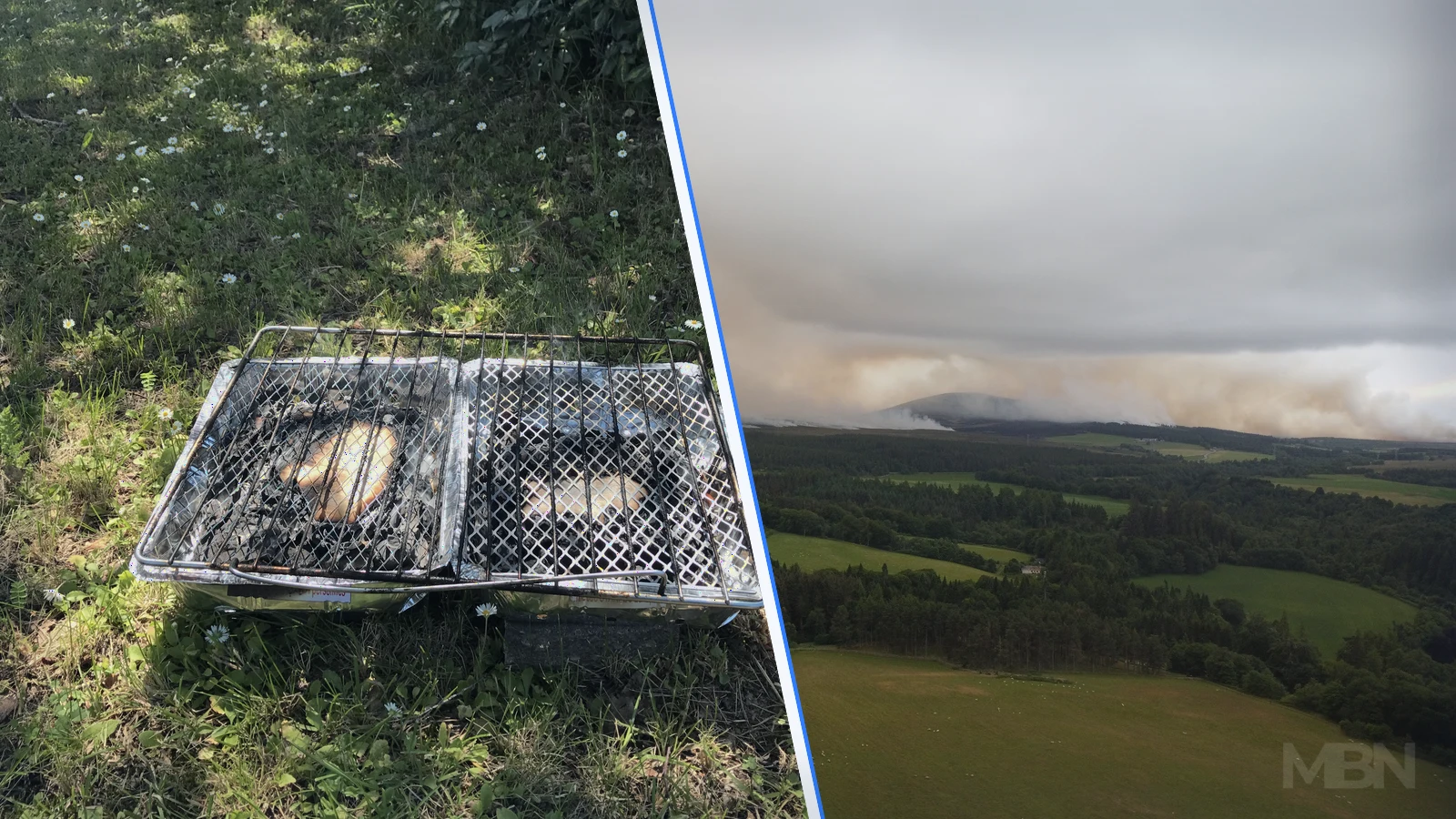
Retailers and online sellers in England, Scotland and Wales must stop supplying disposable barbecues after the government said the current drought and heatwave had made the products unsafe.
The statutory guidelines were published on 14 August 2026 and apply to domestic single-use outdoor barbecues that are not intended for refill or reuse and contain a fuel tray, grill grid and charcoal. The restriction is intended to be temporary, but no end date has been set.
Government statutory guidelines published by the Office for Product Safety and Standards say the foreseeable use of disposable barbecues in the current conditions poses an unacceptable risk to the public and the environment.
The government said the products had caused a number of serious wildfires during the summer.
Retailers must remove disposable barbecues from sale
The government used the existing General Product Safety Regulations 2005 rather than passing new primary legislation. The measure does not itself prohibit consumers from possessing or using a disposable barbecue, although separate local restrictions may apply in parks and on public land. It requires businesses to treat the products as unsafe while the present weather and environmental conditions continue.
The guidelines cover producers and distributors, including manufacturers, importers, shops and online marketplaces when they act as distributors. Disposable barbecues must not be offered for sale in stores or online.
The Office for Product Safety and Standards and local trading standards authorities can enforce the rules. Their powers include suspending supplies, withdrawing products from sale, warning customers and requiring recalls. If a breach of certain product-safety obligations leads to a conviction, the people responsible can face a financial penalty, imprisonment or both.
The rules formally apply in Great Britain. Businesses supplying the Northern Ireland market are strongly advised to follow them, but Northern Ireland is outside the legal scope of the guidelines.
Retailers had already begun withdrawing the products
For some large retailers, the immediate change may be limited because an industry withdrawal was already under way. The statutory measure matters because it also covers businesses outside that voluntary arrangement.
The British Retail Consortium said retailers were voluntarily removing disposable barbecues from sale until 26 August following advice from the National Fire Chiefs Council. That voluntary action was due to be reviewed on 24 August.
The trade body has asked the regulator for greater certainty about the duration of the statutory restriction. The regulator told the BRC that there was no fixed end date because the decision would depend on the weather.
Earlier voluntary guidelines advised retailers to consider removing the products when an extreme heat event was imminent and to respond to reasonable, evidence-based requests for withdrawal. The new statutory guidance removes that discretion while the restriction remains in place.
Wildfire total reaches last year’s record
The measure comes during an unusually severe fire season. Britain provisionally recorded 38.1°C at Kew Gardens on 13 August, the highest temperature of 2026, as the country experienced its fifth heatwave of the year.
A total of 1,017 wildfires had been recorded in England and Wales this year, matching the record for the whole of 2025, according to National Fire Chiefs Council data reported by the Associated Press.
On 13 August, fire and rescue services declared nine major incidents in one day. That brought the 2026 total of major incidents linked to extreme heat and wildfires to 25. The council said properties were believed to have been lost or severely damaged in several English towns.
An emergency alert sent to phones across England and Wales on 14 August warned of a very high national wildfire risk. It asked people to avoid activities that could start a fire, including disposable barbecues, firepits, garden incinerators and fireworks.
Business Secretary Jonathan Reynolds described the sales restriction as a common-sense step to protect lives and the environment.
The government will withdraw the guidelines when weather conditions have changed enough to reduce the risk significantly. That leaves retailers without a firm date for returning the products to shelves, while fire conditions rather than the retail calendar determine how long the restriction lasts.
David Skaith, the mayor of York and North Yorkshire, wants the measure to go further. He told the BBC that he wanted the temporary restriction to become long-term.
