
Allowing customers to return online purchases in a store did not produce a clear overall boost to annual online sales in a study of major North American retailers.
Researchers Yang Yuan, Gregory R. Heim and Michael Ketzenberg analyzed retailers’ annual data from 2013 through 2019. Their study in the International Journal of Physical Distribution & Logistics Management found more nuanced relationships with website traffic and average order value among businesses that also operated stores.
The work does not mean shoppers dislike convenient returns. It suggests that a returns option should be assessed as a service with costs and benefits of its own, rather than assumed to produce an automatic increase in online revenue.
How return-in-store works
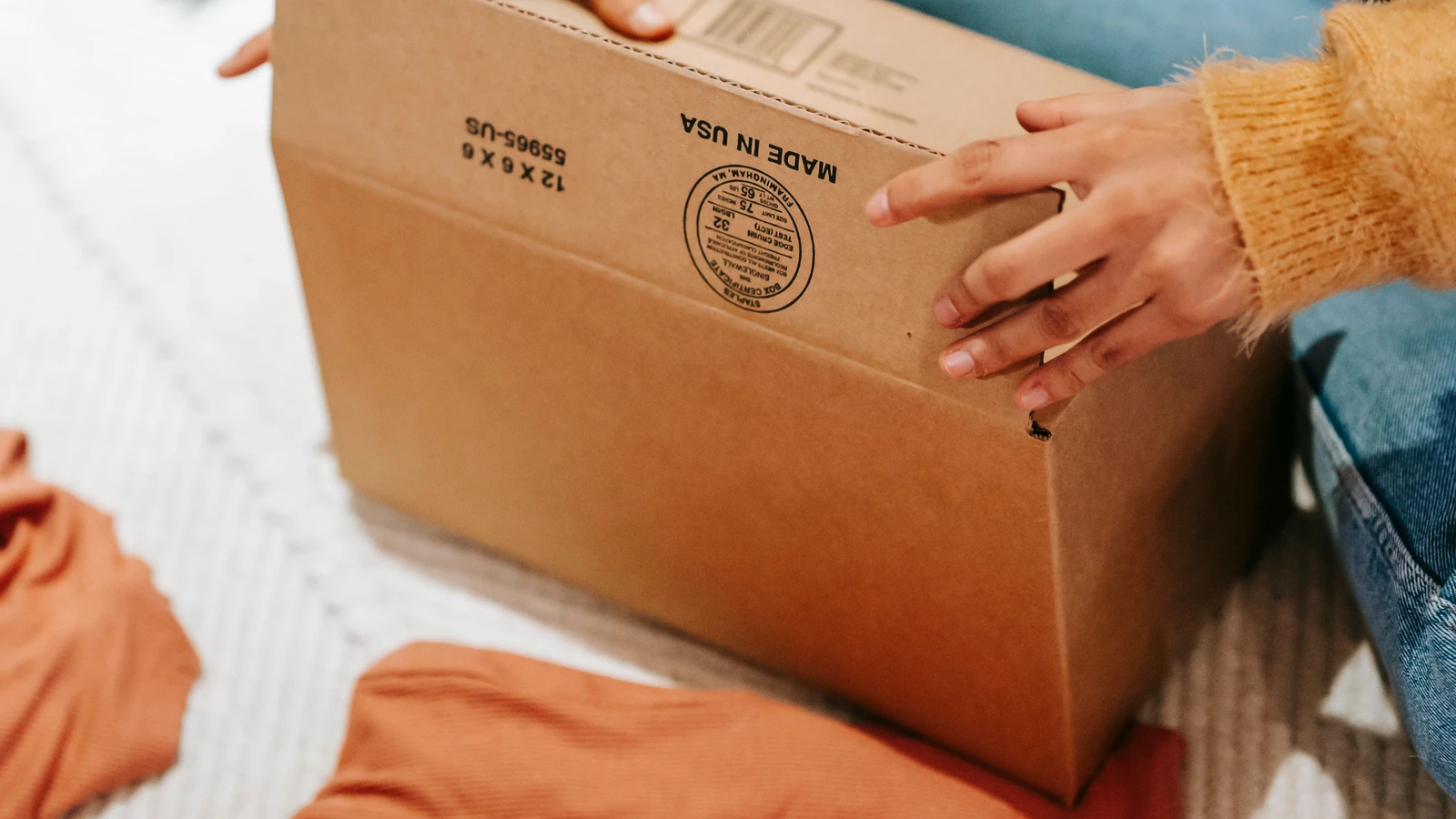
Buy online, return in store allows a customer to bring an eligible internet purchase to a physical location. Depending on the retailer, that could be one of its own stores or a participating partner’s location.
The customer may avoid packing a parcel or paying return postage. The business still needs a way to identify the order, check eligibility, issue a refund and decide what happens to the returned item. Staff time, transport, inspection and inventory systems all affect the cost.
Return-in-store is different from free return shipping. A retailer can offer one, both or neither. Its terms can also vary by product, location and the time since purchase.
What the researchers measured
The authors used annual information on companies appearing in Digital Commerce 360’s list of the top 1,000 North American e-retailers. The composition changed over time. Their main analysis excluded 2020 because of the exceptional disruption of the pandemic.
They examined online sales along with three contributing measures: website traffic, conversion rate and average order value. Conversion rate is the share of visitors who buy; average order value is the average amount spent per transaction. Growth in one measure does not necessarily mean total sales or profit will rise.
In the main fixed-effect analysis, the direct association between return-in-store and online sales was negligible. For online-only retailers, the authors did not find meaningful effects across the performance measures examined. Retailers with both websites and stores showed more complicated relationships depending on other practices, including free return shipping and paid search advertising.
Why the channel mix can matter
A retailer with its own stores may be able to train employees, connect its order systems and handle refunds directly. An online-only seller may rely on a third-party drop-off network, with different costs and service arrangements. The researchers discuss these operational differences as possible explanations, not as a test proving why every retailer obtained a particular result.
For store-based retailers, the study found that return-in-store combined with free return shipping was weakly associated with higher average order value and traffic. Its relationship with paid search also differed across measures. These patterns are specific to the models and data, not a prediction that adding advertising or free shipping will work for every business.
Look beyond the initial sale
A useful evaluation starts with a clear comparison period and a complete cost calculation. Retailers can track how many eligible customers use the option, the time taken to process a return, refund speed, item recovery and customer complaints alongside online sales.
They can also distinguish an item exchanged for another product from one refunded in full. An in-store visit might create an additional sale, but it can also require extra labor or transport. Neither outcome should be assumed without measurement.
Where practical, a controlled test across comparable stores or customer groups can help separate the service’s effect from seasonal demand, promotions and other simultaneous changes. A retailer should also check that its data connects the original order, the return and any replacement purchase.
MBN has reported separately on a field experiment involving partial refunds without a return. That was a different policy and business setting, so its results should not be treated as an estimate for in-store returns.
Important limits
The study looks at large retailers before the pandemic, not a representative sample of every small seller or today’s shopping environment. It examines statistical relationships in company data rather than randomly assigning return policies. The researchers used several methods to address differences among firms, but unmeasured factors could still influence the results.
A return option can serve customers even if its immediate effect on online revenue is hard to detect. The practical question is whether the service is clear, dependable and economically worthwhile for the customers and operations a business actually has.
