
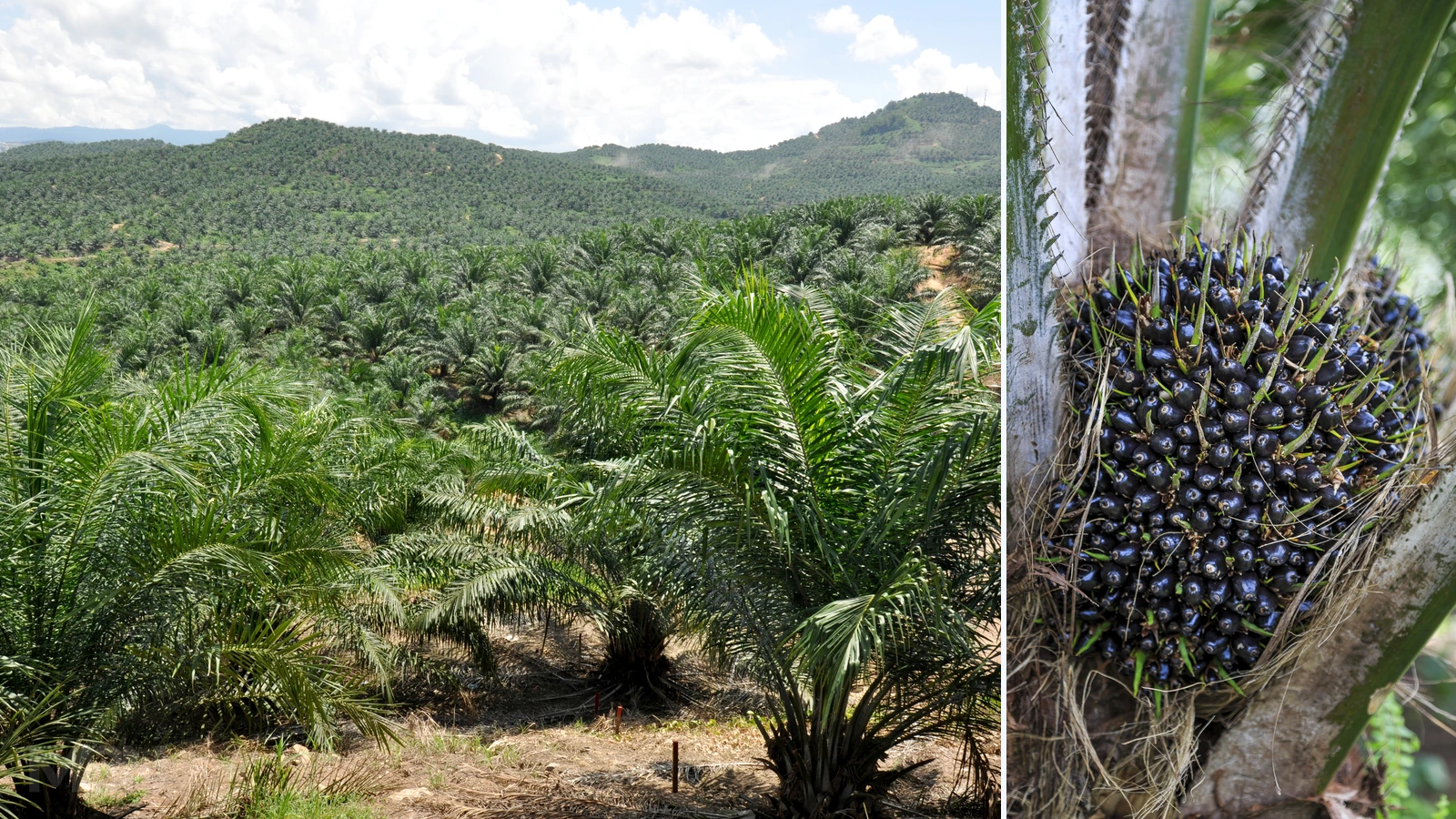
Malaysia’s palm oil inventories rose 7.48% in August as exports fell and production increased, according to official figures released on Thursday, 10 September.
The Malaysian Palm Oil Board’s monthly report put stocks at 2.82 million tonnes at the end of August, compared with a revised 2.63 million tonnes a month earlier.
Palm oil exports fell 7.50% to 1.29 million tonnes. Crude palm oil production increased 1.39% to 1.82 million tonnes. The August figures are preliminary, and the board revised July’s data to incorporate additional information.
The increase was concentrated in crude oil
Stocks of crude palm oil, the oil before refining, rose 15.20% to 1.65 million tonnes. Inventories of processed palm oil fell 1.71% to 1.18 million tonnes.
Production increased in Peninsular Malaysia and Sarawak but declined in Sabah. The national increase therefore masks different conditions across the country’s producing regions.
The board’s 2026 monthly series shows that total palm oil stocks reached their highest level so far this year. Inventories had fallen during the first quarter before building again over the following months.
More stock does not guarantee cheaper food
Inventories measure oil held at a particular date. Production and exports measure activity over a month. Domestic use and imports also affect the balance, so subtracting exports from production does not by itself explain the full change in stocks.
For buyers, a larger stock cushion can reduce concern about immediate availability. It does not establish that international prices or food manufacturers’ purchasing costs have fallen.
The UN Food and Agriculture Organization’s August price assessment, published on 4 September, showed its vegetable oil index rising 0.6% from July. Higher palm and soya oil quotations outweighed declines in sunflower and rapeseed oils.
FAO attributed stronger palm oil prices to global import demand and concern about the possible effects of El Niño weather conditions on production in South-East Asia. Those are wider market factors than Malaysia’s export volume in a single month.
Our report on August’s rise in global food prices explains how vegetable oils fitted into the broader increase. The FAO measure tracks internationally traded commodities, rather than supermarket prices.
Present supplies and future harvest risks
The Malaysian figures describe stocks already held and oil produced in August. Weather concerns relate partly to future production, a separate question examined in our El Niño economic explainer. Larger current inventories can coexist with concern about later harvests.
The September 10 release provides no company-level account of margins or evidence that food producers have changed retail prices. For businesses buying vegetable oils, the next useful comparison is whether exports recover while production remains strong, or whether stock accumulation continues.
