
World food commodity prices rose 1.9% in August, with sugar recording the largest percentage increase among the five groups tracked by the UN Food and Agriculture Organization (FAO).
The agency’s Food Price Index averaged 133.3 points, up from a revised 130.8 in July. The figures, released on Friday, 4 September, put the index 2.5% above its level a year earlier.
The measure follows internationally traded food commodities. It does not measure the change in supermarket bills, which also reflect processing, transport, taxes and retail costs.
Sugar prices jump 11.9%
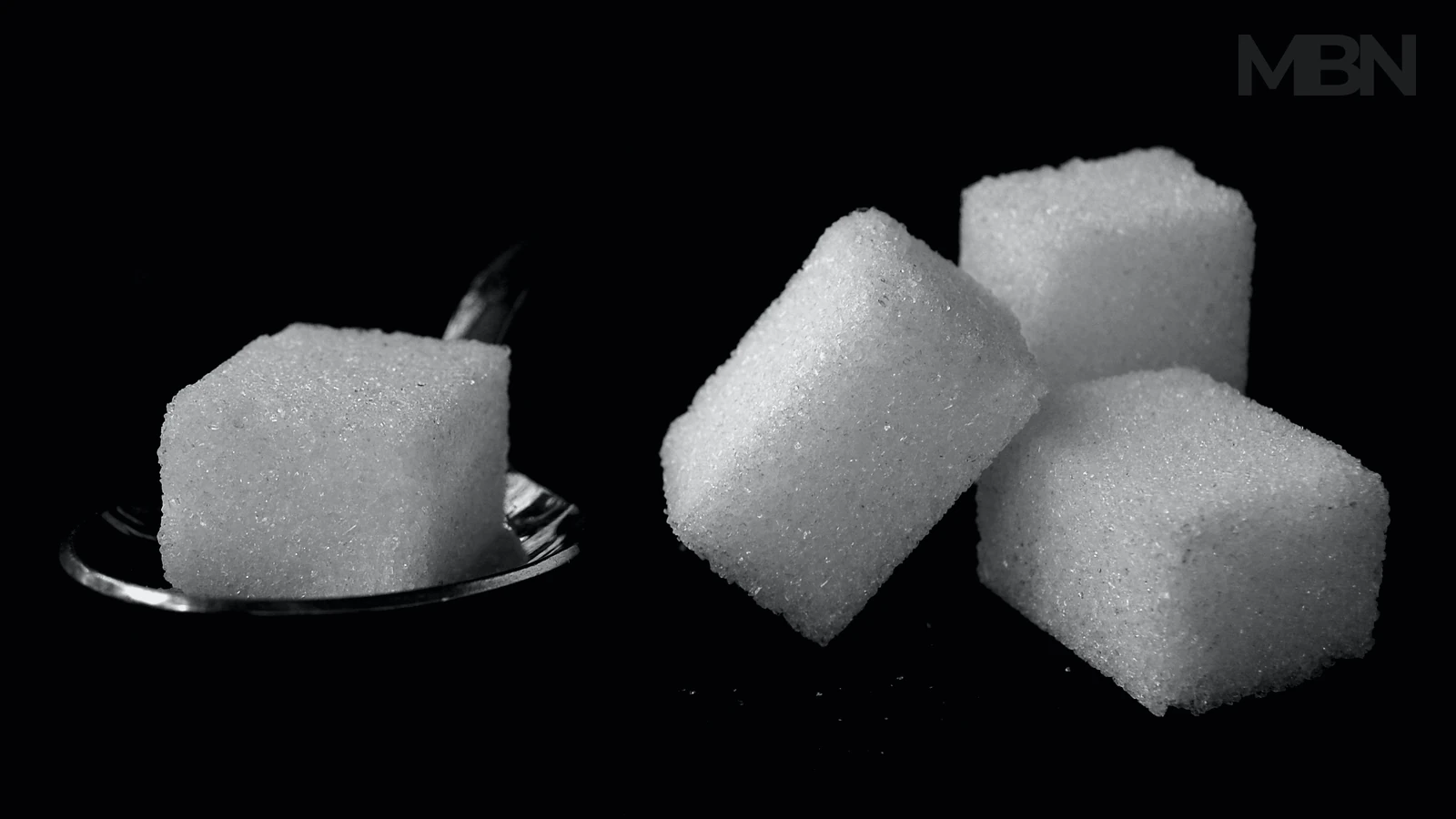
The sugar index rose 11.9% from July as concerns grew over supplies for the coming season.
FAO attributed the increase to hot, dry weather reducing expected sugar beet yields in the European Union, weather risks in major Asian producing countries and lower production in Brazil. India’s announcement of duty-free raw sugar imports also contributed to the rise, the agency said.
In its assessment of the food markets, FAO chief economist Maximo Torero said “climate shocks, geopolitical tensions and disrupted trade logistics are converging to tighten supply expectations”.
Grains, dairy and oils also become dearer
Cereal prices increased by 2.2% from July. Wheat rose 2.6%, leaving international quotations 15% above their level a year earlier.
FAO linked the wheat increase to disrupted Black Sea exports, poorer European crop prospects and a weaker US dollar. Maize prices also rose, with the agency citing weather concerns, demand for feed and fuel production, and uncertainty over agricultural inputs following the closure of the Strait of Hormuz.
We examined the wider pressure on fuel-importing economies in our recent coverage of the Middle East energy shock.
Dairy prices rose 2.3% during August, with hot weather tightening European milk supplies. Meat prices increased by 1%, while vegetable oils rose 0.6%, according to FAO’s detailed index release.
Cereal harvest forecast lowered
FAO also reduced its forecast for world cereal production by 3.4 million tonnes from July to 2.98 billion tonnes in 2026. That would be 2% below last year’s output, although still the second-largest harvest on record.
The agency expects global cereal supplies to remain relatively comfortable by historical standards. Access to those supplies is uneven: restricted Black Sea export routes are expected to leave more wheat in Russia and Ukraine, while shipping risks encourage importers to buy from other origins.
