
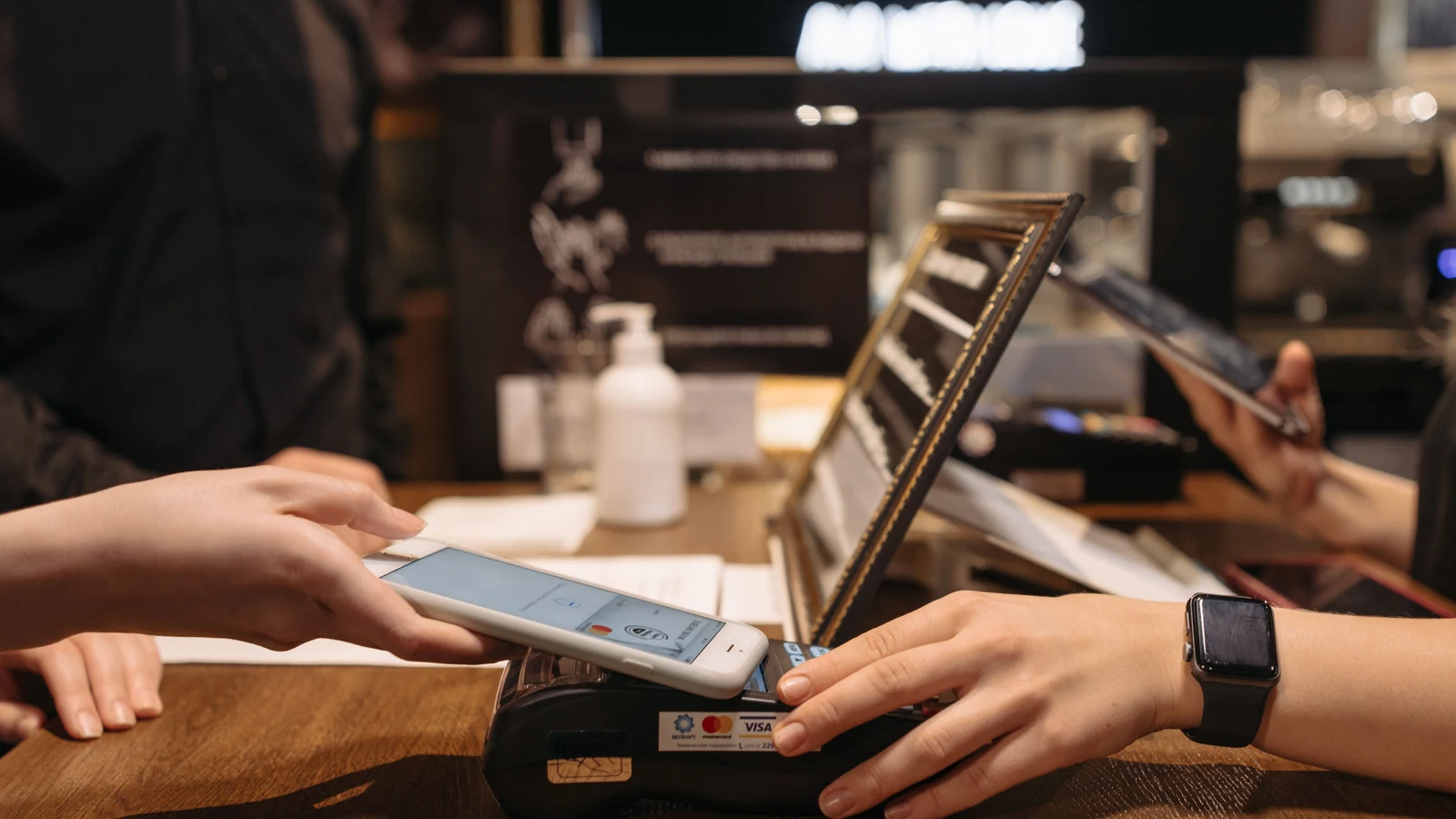
South Africa’s central bank is preparing changes intended to give more providers a role in digital payments, as its PayShap system passes one billion transactions.
In an October 20 speech, South African Reserve Bank governor Lesetja Kganyago said PayShap had processed more than one billion transactions worth over 1 trillion rand since its introduction in 2023.
The cumulative figures show that customers are using the service. They do not mean that digital payments have become equally accessible or inexpensive for every household and business.
Why more payment providers matter
PayShap enables participating institutions to offer near-real-time payments. For a small business, faster access to money can help with everyday expenses such as inventory and wages. The benefit depends on the service offered, its price and whether customers can use it.
Kganyago said the central bank wants to widen participation beyond banks through a proposed framework for specified payment activities. The framework is planned, not already in force, and would include requirements covering matters such as safeguarding customer funds, governance and operational resilience.
More providers could give merchants additional choices, potentially putting pressure on fees or improving services. Competition alone does not guarantee lower prices: technology costs, fraud controls, commercial arrangements and the number of participating institutions will also matter.
Earlier research on Market Business News examined how electronic payment use is associated with access to credit for small businesses. The relationship does not establish that accepting a digital payment automatically qualifies a firm for a loan.
A QR code customers can use across services
The reserve bank is also working on QR+, a planned interoperable QR payment arrangement. Interoperability means that services from different participating providers can work together, instead of requiring a merchant to display a separate code for every payment app.
The bank expects a pilot in the first quarter of 2027. A pilot is a test, not a nationwide rollout, and its results will help determine what happens next. Interoperability would depend on providers taking part and customers having compatible services.
A single usable code could reduce friction at a checkout, particularly for smaller merchants that cannot justify multiple payment devices. But a code by itself does not address the cost of mobile data, unreliable connections or the risk of scams.
Digital does not automatically mean inclusive
Customers need an account or service they can access, a suitable device or other payment method, and confidence that errors can be resolved. Businesses also need to understand when funds arrive and what they pay in transaction fees.
Kganyago noted that PayShap’s transaction volume in the previous year was still small compared with established card and electronic credit payments. That comparison indicates room for growth, while also showing that adoption across payment types is uneven.
For a merchant deciding whether to add a new option, the relevant comparison is the full cost of accepting it: transaction charges, equipment or software, settlement times and the work involved in reconciling payments. A low advertised fee may not capture every expense.
Safety and trust will shape adoption
Opening a payment system to more companies also makes supervision important. A payment provider may hold or move customer funds, rely on other institutions and need to recover quickly from technical failures.
The proposed rules are intended to balance wider access with safeguards. Their effectiveness will depend on the final design and enforcement, including how customers are protected if a provider fails or a payment is disputed.
For South Africa’s businesses, the central bank’s plans could eventually widen the choice of ways to receive money. The key questions are whether the new services work across providers, are affordable in practice and remain reliable when customers need them.
