
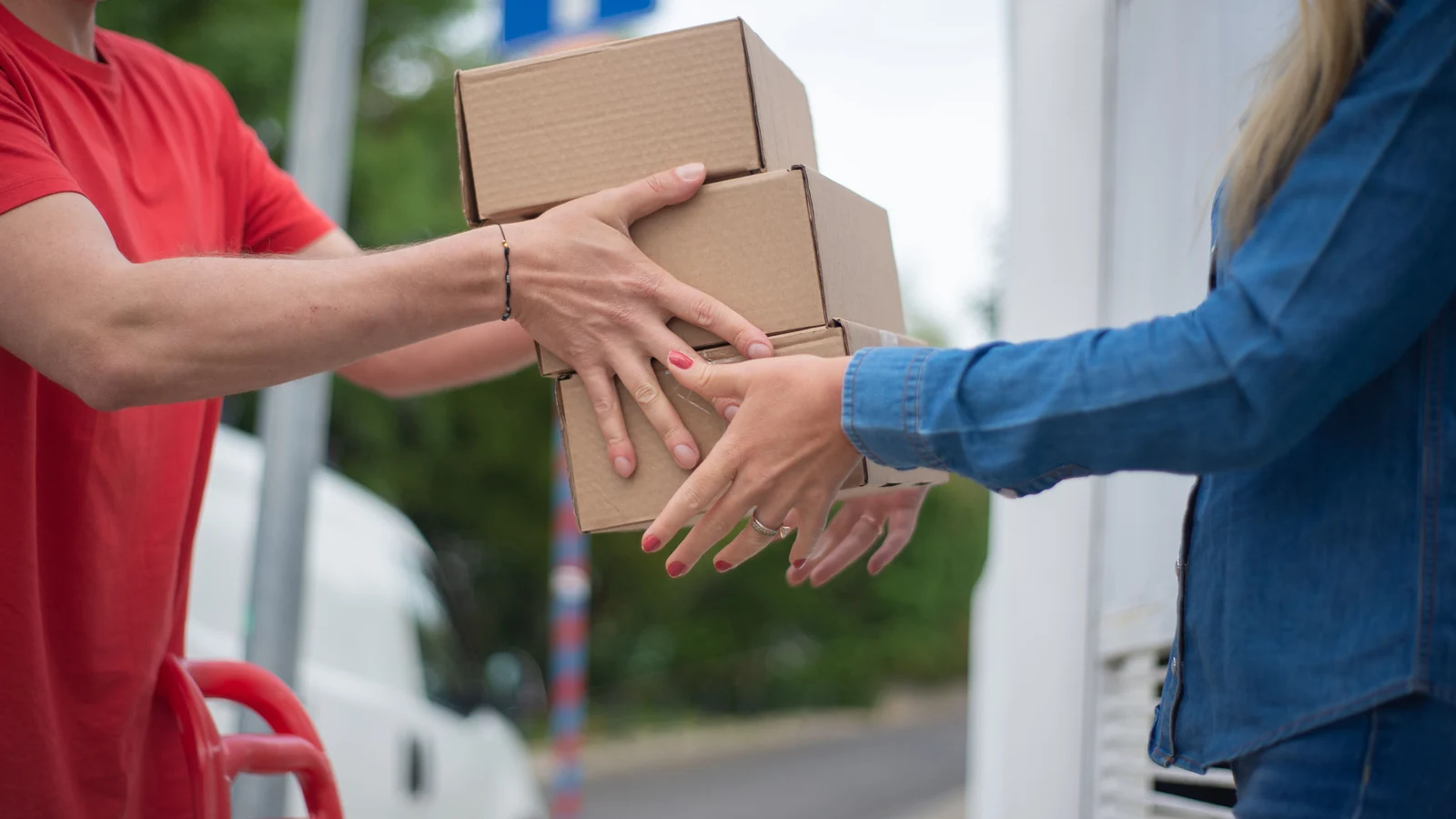
Free product samples distributed by mail generated stronger long-term customer engagement than samples handed out in stores in a marketing study that followed households for 18 months.
Researchers compared in-store distribution, direct mail and samples requested online for an oral-care product. The study in the Journal of the Academy of Marketing Science found that the online-request channel was cost-effective, while direct mail produced the strongest sustained engagement in the setting examined.
The University of South Florida, where co-author Brianna JeeWon Paulich teaches, says the research involved 1,630 households and a multinational consumer goods company. The university’s account of the study reports similar initial purchasing across the three channels, followed by differences in later behavior.
One company and one product category cannot establish which approach will be best for every launch. The research does show why the first purchase is an incomplete way to judge a sampling campaign.
One sample, several possible outcomes
A sample can introduce someone to a product, but businesses incur costs before any purchase takes place. They pay for the product itself, packaging, distribution and the staff or systems used to reach recipients.
If a recipient buys once and never returns, the value to the business differs from a customer who buys repeatedly. Recommendations, feedback and online sharing can also have value, although they are harder to connect reliably to future revenue.
The researchers, Paulich, Anita Pansari and V. Kumar, examined acceptance, use, conversion to purchase and engagement. Their paper describes a randomized field experiment and an 18-month observation period.
According to the university summary, mail performed best for repeat buying and overall engagement, while online requests produced stronger online influence and were more cost-effective. In-store distribution had the weakest sustained engagement in this study. Those results concern the tested oral-care sample and should not be treated as a general ranking for all products.
Expectations and the cost of reaching people
The authors consider how the way a sample arrives can shape a recipient’s expectations. An unsolicited package in the mail may be experienced differently from a product someone actively requests online. The proposed explanation is part of the researchers’ interpretation, not proof that surprise alone caused later purchases.
Each channel brings different trade-offs. A store demonstration can let staff answer questions and show how to use a product. Mail can reach households at home, but shipping and packaging add costs. Online requests require a person to take an initial step and may attract people already interested in the offer.
The paper notes that its analysis accounted for the self-initiated nature of online requests. It also says the company offered coupons to reduce the cost of buying the product, and fewer than 14% of households redeemed them. Coupons and other elements of a promotion need to be considered before applying the results elsewhere.
Measure beyond the first transaction
A business considering samples can define a group that does not receive the offer, where a suitable comparison is possible, and follow both groups over a period appropriate to how often the product is normally repurchased.
Useful measures include the share of recipients who try the sample, the proportion who buy, repeat purchases, returns and the cost per additional customer. Revenue should be assessed alongside product and delivery costs. A campaign that generates more orders can still lose money if the economics are unfavorable.
For products with long replacement cycles, an 18-month study and a short campaign may capture different behavior. Businesses also need a lawful basis for collecting and using customer information. Our earlier coverage of why marketing activity can grow without producing more sales examines the gap between a response and a completed purchase.
Sampling decisions are strongest when the distribution method, the customer’s experience and the cost of repeat business are evaluated together. The cheapest sample to send is not necessarily the cheapest way to create a returning customer.
