
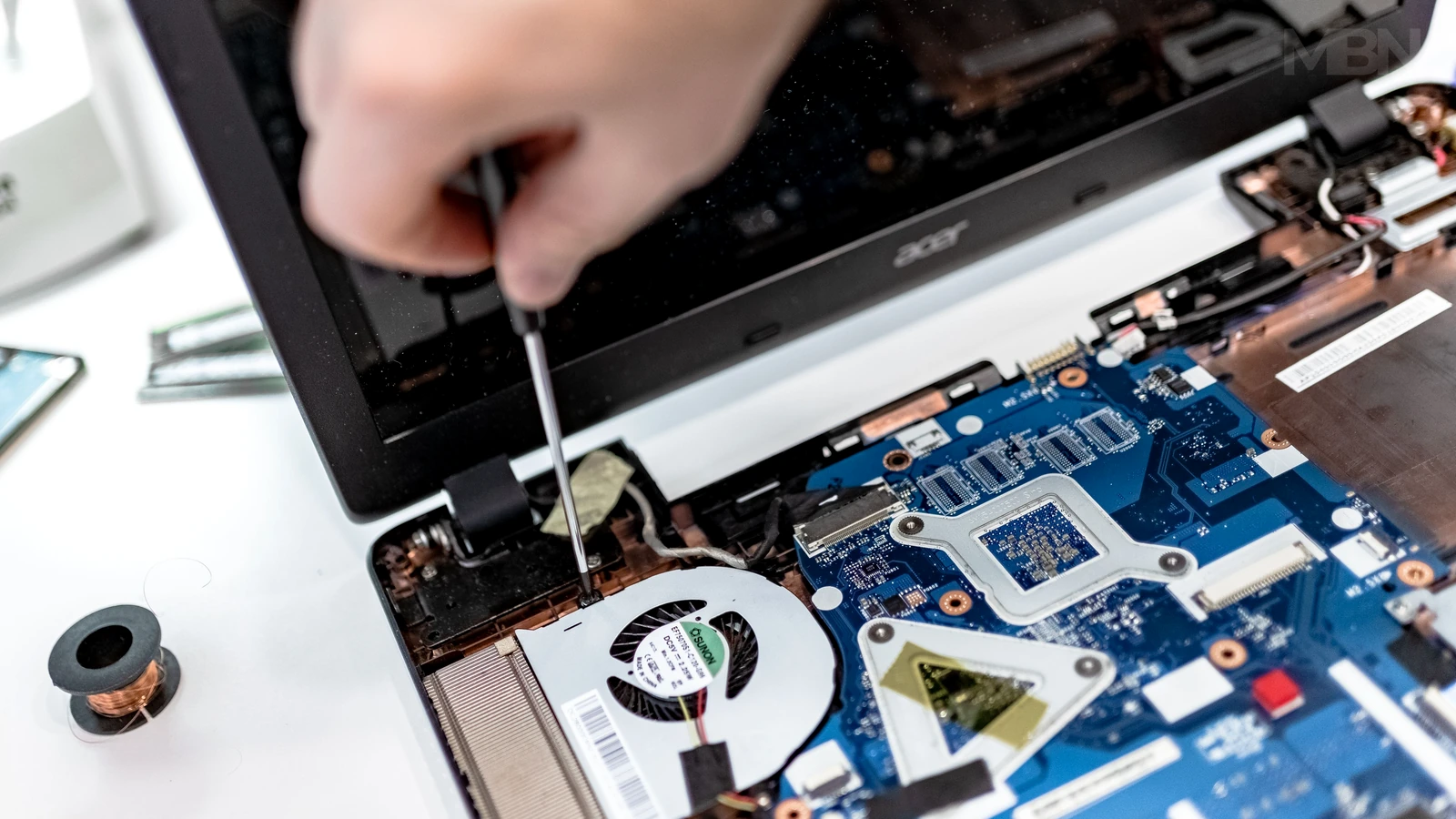
Texas has introduced a right-to-repair law that gives independent electronics shops and device owners a legal route to manufacturer parts, tools, and repair information. The potential benefit is greater competition for repair work, although the law leaves substantial limits on what manufacturers must supply.
House Bill 2963 took effect on September 1, 2026. It covers qualifying digital electronics sold to consumers in Texas with a wholesale price of at least $50. That threshold refers to the wholesale price, not the amount a shopper pays at the checkout.
The law applies only to equipment that manufacturers first made available for sale in Texas on or after September 1. Buying an older model after that date does not automatically bring it within the new rules.
Manufacturers have until one year after the equipment’s first sale in Texas to make the required resources available. Repair businesses should therefore expect access to develop as qualifying products reach the market and their deadlines arrive.
“It allows Texans to get access to parts, tools, and other things you need to fix modern electronics,” Nathan Proctor, senior director of U.S. PIRG’s Right to Repair campaign, told Texas Public Radio. U.S. PIRG is an advocacy group that supported the measure.
Parts access affects who can compete for repairs
An independent technician may know how to replace a damaged component but still need the correct part, service instructions, or software to complete the job. Those resources influence whether a shop can accept the repair and quote a workable price.
The Texas rules tie replacement-part prices and terms to those offered to manufacturer-authorized repair providers. Documentation is generally free, with an allowance for the actual cost of preparing and sending printed copies. Tool pricing also uses the manufacturer’s authorized network as a benchmark, as explained in the Texas Lawyer Referral Service’s analysis.
Tools can include software that pairs a replacement part with a device or calibrates it so it works correctly. Access to a screwdriver and a spare component may be insufficient if the repair also requires that software step.
The wider problem predates the Texas law. In its 2021 Nixing the Fix report, the Federal Trade Commission, the US consumer protection and competition agency, identified restricted parts supplies, unavailable diagnostic software, and difficult-to-remove components as barriers to repair.
For manufacturers, opening access involves more than publishing a manual. Parts must be identified, ordered, and delivered, while instructions and software need to match the product being serviced. The Texas law permits manufacturers to use authorized networks or third parties to provide the required resources.
Exemptions leave gaps in the new access rights
The law excludes categories including video game consoles, medical devices, heavy equipment, and large home appliances. Countertop and stand-alone small appliances are treated differently from the large-appliance exemption.
Manufacturers can still require remote authorization or an internet connection to use a part or tool. They may supply certain parts, including integrated batteries, within larger assemblies under the conditions set out in the law. That can affect the cost of replacing a single failed component.
Access is also limited where resources are not supplied to authorized repair providers, including when the manufacturer handles the relevant repairs solely in-house or through a corporate affiliate. The law does not require unrestricted disclosure of every repair method a manufacturer uses.
Other provisions allow refunds or qualifying replacement products for original purchasers instead of supplying repair resources. Earlier agreements between manufacturers and authorized repair providers can also prevail where they conflict with the new requirements.
Enforcement belongs to the Texas attorney general. Manufacturers receive notice and an opportunity to correct alleged violations before an enforcement action. The law does not give consumers or repair shops a new private right to sue over violations.
A repair still has to make financial sense
The Repair Association, which campaigns for repair rights, argues that wider access can help small repair businesses compete and give customers more choice. Those are expected benefits, rather than measured results from a law that has only just taken effect.
A repair bill combines parts, labor, and the time needed to diagnose the fault. Even when a part is available, an expensive assembly or a lengthy repair can make replacement more attractive. Shops still need to explain the cost and likely remaining life of the device.
Keeping working electronics in service is part of the circular economy approach we explain here, which emphasizes reuse and repair before disposal. For Texas repair businesses, that opportunity will depend on which products qualify and whether the parts, prices, and tools make the work commercially worthwhile.
