
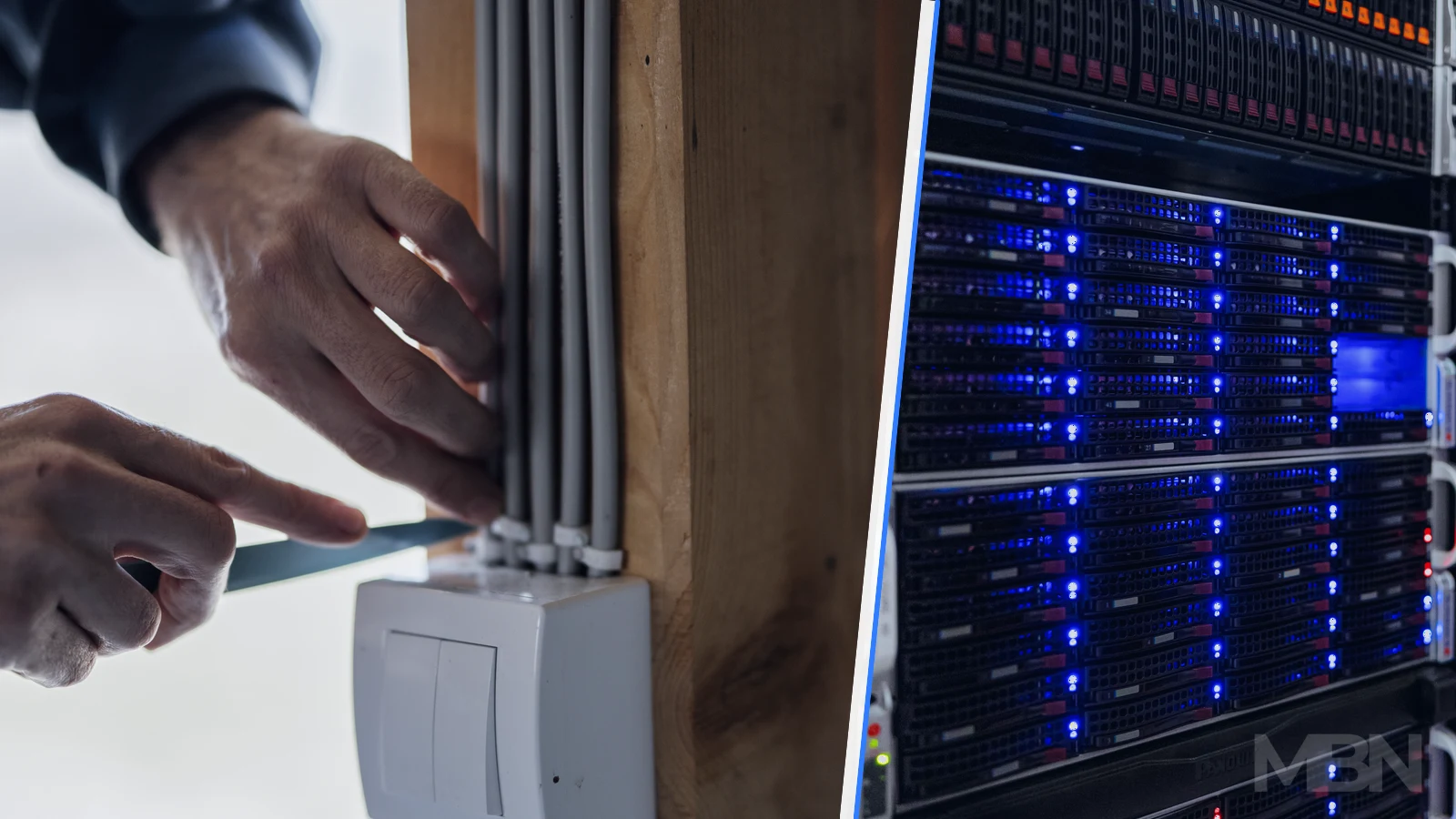
Plumbers sit near the bottom of several AI-exposure rankings, while new US projections still show growing demand for electricians, home care aides and cooks through 2035. The evidence points to lower exposure, not immunity: software can take over paperwork and planning long before robots can replace the physical work.
The US Bureau of Labor Statistics introduced four categories of relative AI exposure on August 27, 2026, ranging from low to very high. The accompanying dataset compares occupations using five outside measures, including theoretical assessments and two measures built from observed interactions with AI systems that were mapped to occupational tasks.
Low exposure means an occupation’s tasks do not closely match what current AI systems can do and that large language models have rarely been observed performing them. A large language model, or LLM, is the technology behind generative AI services that work with text and other digital information.
Most of the underlying measures focus on language models. The categories consequently say more about exposure to AI software than the ability of a physical robot to replace a worker.
The BLS warns against reading its categories as a forecast of job losses. They do not estimate the likelihood of automation, future wages or productivity. Examples in the low-exposure category include firefighters, dental hygienists, maids and housekeeping cleaners. Web developers, customer service representatives and personal financial advisors are among its very-high-exposure examples.
Physical work presents a different problem
An analysis published by The Budget Lab at Yale in February compared seven measures of occupational AI exposure. The measures disagreed more about jobs near the high end, but strongly agreed that plumbers had minimal exposure. Construction and maintenance occupations also scored relatively low.
The reason becomes clearer when the job is broken into tasks. AI software can answer a customer inquiry, suggest possible causes of a leak, prepare a quote and schedule an appointment. It cannot currently enter an unfamiliar building, reach damaged pipes in a confined space and complete a safe repair.
Exposure models also have a limitation that is especially relevant to field work. BLS says the underlying measures generally treat occupational tasks as independent items. They may miss the way several tasks must work together before the customer receives a finished service.
A repair may require diagnosis, access to the site, manual dexterity, safety checks and responsibility for the result. Automating the quote does not remove the worker if a trained person must still perform and verify the repair. For an employer, AI may reduce administrative time before it reduces staffing.
The International Labour Organization reached a related conclusion in 2025. It estimated that one-quarter of workers worldwide were in occupations with some exposure to generative AI, while 3.3% were in its highest-exposure category. The organization judged job transformation more likely than complete replacement in most cases.
Several lower-exposure jobs are still growing
The latest BLS projections cover 2025 to 2035. They forecast 3.5% employment growth across the US economy, although individual Occupational Outlook Handbook pages round the figure to 3%.
Employment of plumbers, pipefitters and steamfitters is projected to grow 7%, adding approximately 34,500 jobs over the decade. BLS expects an average of 42,000 openings a year, but many will replace workers who retire, change occupations or leave the labor force.
Electrician employment is projected to rise 9%, adding 75,900 jobs. BLS expects approximately 72,700 openings annually, including replacement needs. The agency says rising electricity demand from AI and data centers should create work as the grid and related infrastructure expand.
Demand is even stronger in home care. Employment of home health and personal care aides is projected to grow 18%, with 847,300 net jobs added by 2035. An aging population and greater demand for home-based services are the main drivers.
Food service shows why job titles alone provide a poor guide. BLS projects employment of cooks to grow 7% and restaurant cooks to grow 12.1%. Employment of food preparation workers is projected to fall 3% as businesses buy more prewashed, precut or preseasoned ingredients.
These forecasts describe expected labor demand, not protection from AI. Construction activity, demographics, consumer spending, prefabricated building parts and other forms of automation can all affect employment independently of generative AI.
Robotics could narrow the gap
Software is only part of the automation question. Combining AI with machines that can move through workplaces and manipulate objects could expose more physical tasks, but current robotics results show how difficult that remains.
The Stanford AI Index 2026 reports an 89.4% success rate for the leading system on RLBench, a controlled simulation containing 18 relatively short manipulation tasks. Performance dropped sharply on BEHAVIOR-1K, which tests longer household activities requiring multiple steps in simulated homes. The leading team in the 2025 BEHAVIOR Challenge completed only 12.4% of full tasks on the held-out test set.
The two results are not a comparison between a physical robot and a software simulation. Both involve simulated settings. They show that completing a short, defined manipulation task is much easier than combining planning, navigation and manipulation over an extended sequence.
An analysis updated on August 19, 2026 found no clear relationship between measures of AI use and changes in employment or unemployment. The Budget Lab also found that the occupational mix was not yet changing in ways clearly aligned with workplace AI.
For businesses employing skilled tradespeople, care workers and other hands-on employees, the nearer-term opportunity is more likely to sit around the worker. AI can handle more scheduling, records, customer communication and preliminary diagnosis while trained employees continue to perform the physical service.
