
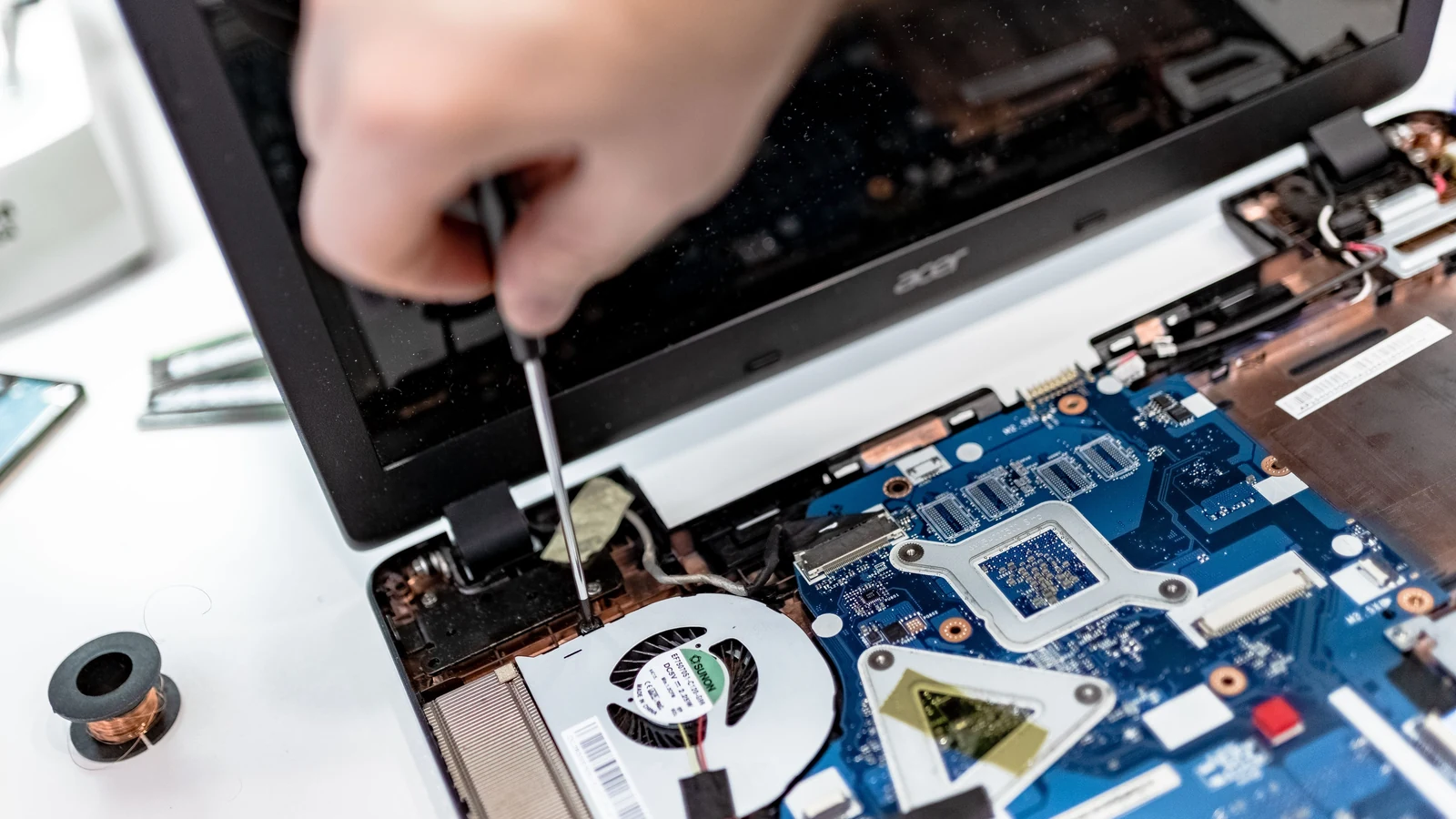
South Korean social enterprises involved in repair and reuse earned lower operating margins than recyclers in a new study, showing why a strategy that preserves products need not produce the strongest financial return.
Casper H. Claassen and Qi Yao examined voluntary management disclosures made from 2012 to 2025. Their study in the Journal of Cleaner Production classified 880 strategy records from 377 enterprises.
After accounting for sales, age, industry and year, the repair-and-reuse group’s operating margin was 10.6 percentage points below recycling’s over the full period. The gap was largest in disclosures covering fiscal years 2022 to 2024, as recyclers recovered from losses while repair margins remained weak.
Operating margin measures operating profit as a share of sales. A percentage-point gap compares the margins themselves; it is not the same as saying one group’s profit was 10.6% lower.
Keeping a product in use does not settle the business case
Repair retains an existing product, while recycling recovers materials after it is discarded. The work needed, customer being served and source of revenue can be quite different.
A hypothetical repair business may charge for diagnosis, parts and labor. Before accepting a job, it needs to estimate the technician’s time, the availability of a replacement part and the likelihood that the repair will succeed. Travel and repeat visits may matter as much as the component’s purchase price.
A recycler may operate through a different combination of collection, processing and recovered-material sales. Comparing the two businesses requires their costs and contracts, alongside the environmental purpose of each activity.
The Korean study found a smaller gap in net margins and no difference in growth between the strategy families. Alternative classifications weakened the evidence that the gap changed over time. Its voluntary social-enterprise sample cannot establish the returns of every repair shop or identify the precise costs behind the result.
Customer demand is not the only hurdle
Separate UK research illustrates why willingness to repair can fail to become a completed repair order. An October University College London project funded by Material Focus combined a UK-representative survey of 1,486 adults with interviews and modeling, using washing machines as its case study.
Its summary says 65% would prefer to repair a faulty washing machine. The report examines affordability, convenience and trust as barriers. These are findings from a different country and product market, not an explanation proven for the Korean enterprises.
For a service provider, a customer’s initial interest becomes revenue only when the diagnosis, quote, booking and repair can be completed at an acceptable price. More inquiries can create additional work without producing a matching increase in paid jobs.
Our coverage of Europe’s e-waste collection gap examines another part of the product lifecycle. Collection, repair and recycling each need an operating system that can cover its costs.
Repair rules create obligations as well as opportunities
The Council of the EU says member states had to transpose the bloc’s right-to-repair rules by July 31, 2026. The rules cover products subject to specified EU repairability requirements, rather than every type of consumer product.
They include obligations for manufacturers to repair covered goods within a reasonable time and at a reasonable price, unless the service is free, and to provide access to spare parts at a reasonable price. National implementation and a product’s eligibility still need checking.
Access to parts can make a repair possible. A viable repair business must also recover the cost of skilled time, diagnosis and the jobs that do not proceed. The Korean evidence leaves the reasons for the different financial recoveries unresolved; the authors call for evidence on prices, costs and contracts.
