
Grocery purchase histories could allow a retailer to earn more while giving most customers a better deal, according to an October research paper. The catch is that larger losses for a smaller group of shoppers can outweigh the majority’s gains.
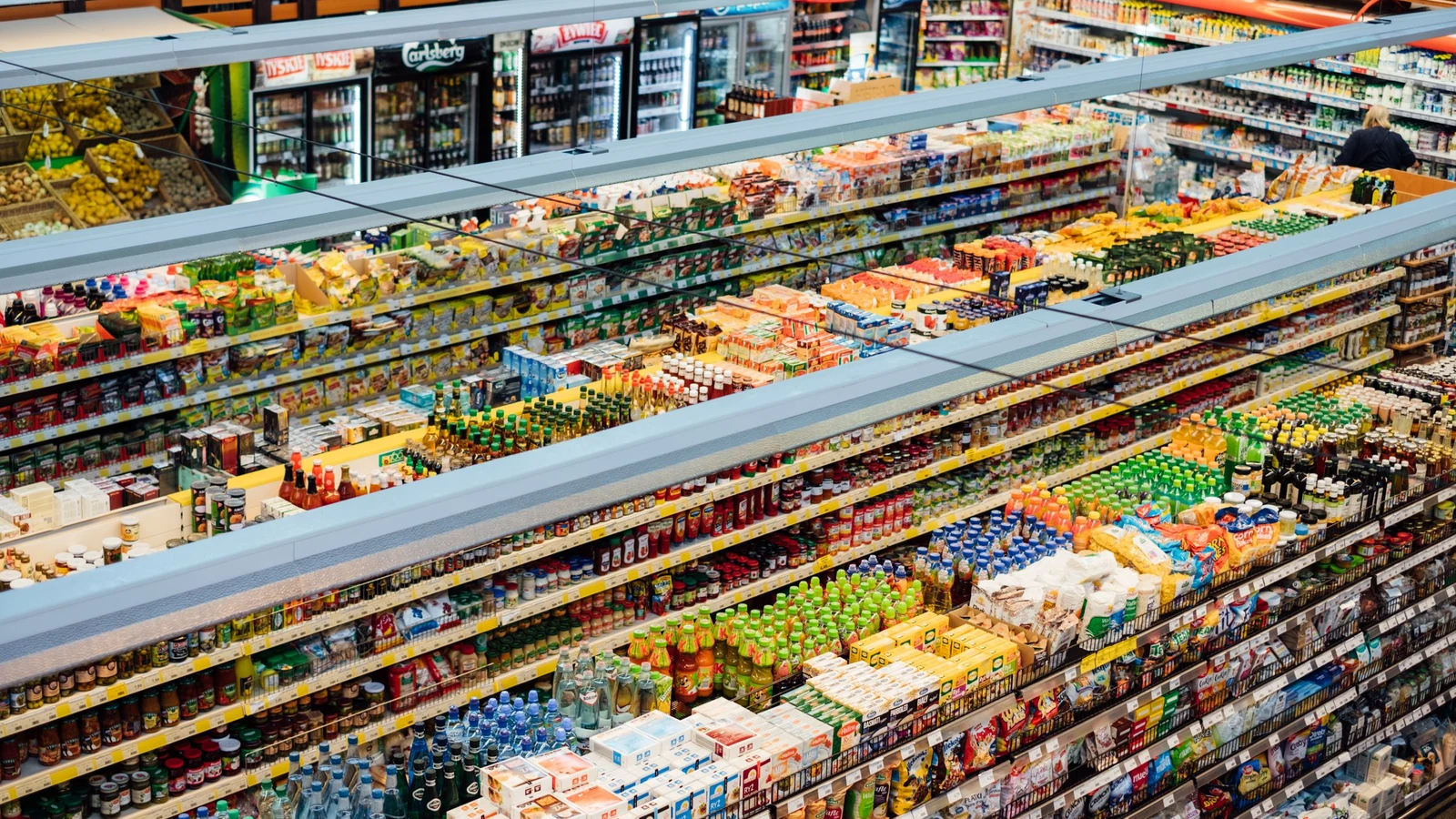
The October 11 manuscript by Isis Durrmeyer, Jean-François Fournel and Mario Samano models personalized prices using 2018 records from one US supermarket, covering 20,748 loyalty-card holders and 24 product categories.
Using one year of purchase histories, modeled profits across the categories studied rise 7.1% relative to uniform pricing. Some 84.1% of consumers are better off in the model, but aggregate consumer surplus falls. Consumer surplus is the benefit buyers receive above what they pay, expressed in monetary terms.
The results are simulations informed by transactions, not an experiment in which the supermarket charged these personalized prices. The paper is a working paper, not a completed peer-reviewed finding.
A discount for one shopper can coexist with a surcharge for another
Personalized pricing means using information about a customer to help determine the price that customer faces. It differs from changing a shelf price for everyone because wholesale costs have risen.
Consider a hypothetical retailer selling the same product to two groups. Some customers buy only at a low price. Others are willing to pay more. A uniform price requires a compromise: charging more can lose the first group, while charging less gives up revenue from the second.
Customer-specific offers could let the retailer charge both groups differently. A larger number of people receiving small discounts can still gain less in total than a smaller group loses through substantial surcharges. Counting how many customers benefit cannot establish the overall effect.
Nor should price sensitivity automatically be treated as an income measure. A shopper’s willingness to switch products, available alternatives and urgency can differ even among people with similar earnings.
The model is not a forecast for every supermarket
The analysis does not model competition between supermarkets. It also cannot establish what customers would do if they discovered that a rival offered more transparent prices. Its numerical estimates should not be applied to an entire chain or today’s grocery market.
For a retailer, estimated gains before implementation are only one part of a business case. Systems, customer support and the handling of disputed offers would have costs. A test would need to measure actual repeat purchasing and customer losses, alongside the immediate margin.
Our earlier reporting on whether a discount pays for itself explains why additional sales and additional profit are different outcomes. Personalization adds another question: which customers supply the extra margin?
Purchase histories are part of a wider data question
The Federal Trade Commission’s January 2025 initial findings examined pricing intermediaries with access to information including location, browsing patterns and shopping history. Its public examples were hypothetical to protect confidential business information.
Those findings describe capabilities and practices among intermediaries. They do not identify the supermarket in the new paper or prove that it used customer-specific prices. Our earlier coverage of customer data in pricing decisions examines the broader regulatory and customer-trust issues.
A retailer considering such a system would need to explain what information affects an offer, how errors can be corrected and whether customers can understand the terms. A loyalty program’s commercial return also depends on customers continuing to trust the relationship in which they supply the data.
