
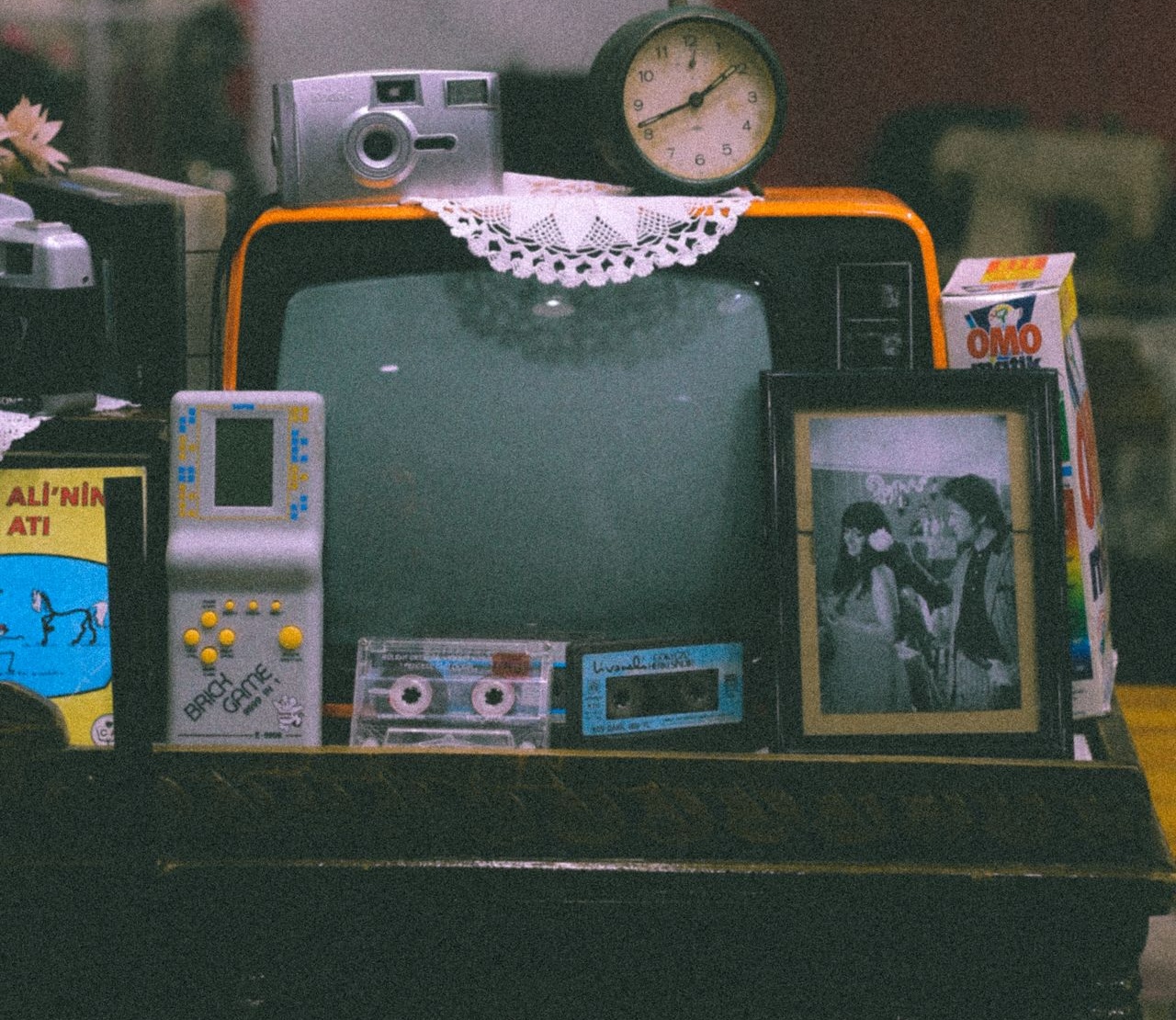
Every year, companies spend billions of dollars trying to create emotional connections with consumers. One of the most powerful tools in their arsenal is nostalgia; the warm, often bittersweet feeling people experience when thinking about the past. Whether it is a television commercial featuring 1980s music, a reintroduced soft drink from decades ago, or a film set in the 1950s, nostalgic marketing has become a familiar part of modern advertising.
Yet there has always been one important problem: how do marketers know which period of the past will resonate most strongly with their audience?
New research suggests that many companies may have been relying too heavily on intuition. Researchers at the University of Arizona and Utah Valley University have developed a new measurement tool designed to identify the historical eras that different people find most nostalgic. Their work could help advertisers create campaigns that better match the emotional preferences of their target audiences rather than simply assuming everyone longs for the same period of history.
Published in the Journal of Advertising (citation below), the study introduces the Nostalgia for Eras scale. Unlike previous approaches, which measured nostalgia for individual objects, experiences, or the past in general, the new scale focuses specifically on people’s emotional attachment to distinct historical periods, such as the Roaring Twenties, the 1950s, the 1980s, or the 1990s.
Nostalgia has become big business
Nostalgia has become one of advertising’s most dependable emotional appeals. Companies frequently revive classic logos, resurrect discontinued products, re-release vintage packaging, or use music from previous decades to create an immediate emotional connection with consumers.
The entertainment industry has embraced the same strategy. Films, television series, video games, fashion collections, and even tourist attractions often revisit earlier decades, appealing to audiences who either lived through those times or have come to admire them through popular culture.
The appeal is understandable. Psychologists have long found that nostalgia can evoke positive emotions, strengthen feelings of belonging, and encourage people to reflect on meaningful experiences. For marketers, those positive feelings can sometimes transfer to the brands themselves.
But despite nostalgia’s popularity, choosing the right historical period has often been more of an educated guess than a science.
According to the researchers, existing methods for measuring nostalgia were not designed to determine which era people feel most nostalgic about. Instead, previous scales generally focused on responses to specific advertisements or products, or on nostalgia as a broad emotional state.
Looking beyond our youth
Many marketers have traditionally assumed that people are most nostalgic for their late teens and early twenties. After all, psychologists have long recognised that many people retain particularly vivid memories from adolescence and early adulthood.
However, Caleb Warren, Professor and the Robert A. Eckert Endowed Chair in Marketing at the University of Arizona, believes that assumption often misses the mark.
“If you want to evoke nostalgia, you need to figure out which era of the past your consumers feel the most loss toward, the most idealistic about, and have the warmest feelings toward,” Warren said. “Just choosing the time when your target audience was in their 20s or late teens won’t work for a lot of people.”
Instead, people may develop strong nostalgic feelings for many different periods of life. Someone may treasure the decade when they raised a family, started a successful career, travelled extensively, or experienced an especially happy stage of life.
Others may even feel nostalgic for periods they never personally experienced.
The glamour of the Roaring Twenties, the optimism often associated with the 1950s, or the colourful pop culture of the 1980s continue to attract admirers who know those eras only through films, music, books, family stories, or museums. The researchers argue that these preferences are important because they may influence how people respond to nostalgic marketing.
Measuring Nostalgia for Historical Eras
To develop the new scale, the researchers carried out five studies and combined evidence from several sources. They examined existing nostalgia scales, analysed consumer narratives, reviewed previous academic research and media articles, and studied more than 200 nostalgic advertisements. Their goal was to better understand what people actually experience when they feel nostalgic for a particular historical period.
From this work, they concluded that nostalgia for an era consists of three closely related dimensions.
- The first is warmth, the pleasant, comforting feelings people experience when remembering or imagining a particular period.
- The second is loss, reflecting the sense that those times have passed and cannot be recovered.
- The third is simplicity, the belief that life during that era was somehow less complicated, less stressful, or more carefree than today.
Together, the researchers argue, these three dimensions provide a more accurate way of measuring nostalgia for historical periods than previous approaches.
Surprising results
After identifying the three components of nostalgia, the researchers asked hundreds of participants to indicate which decade they felt most nostalgic about.
One result stood out.
Fewer than half chose the period corresponding to their formative years.
That finding challenges the long-standing assumption that advertisers simply need to remind people of their youth.
Instead, nostalgia appears to be shaped by a much broader range of personal experiences and cultural influences.
As Warren explained, someone may look back most fondly on experiences that occurred well after early adulthood.
“What our model can predict is that someone may be more nostalgic for that time than their earlier years. If a group of people see the 1950s, the 1980s or even the Old West as the ‘Golden Age,’ then those are the eras you should portray in your advertisements to make them feel the most nostalgic.”
The question, however, was whether these preferences actually influenced consumer behaviour.
That is precisely what the researchers investigated next.
Testing whether the right era makes a difference
To determine whether nostalgic preferences actually influence consumer behaviour, the researchers carried out experiments that matched advertising to people’s preferred historical eras.
In one experiment, participants who indicated that they felt most nostalgic for the 1990s were shown either a contemporary advertisement for eBay or one designed to evoke the 1990s. Those who saw the nostalgic advertisement reported more positive feelings toward the brand. However, when the same advertisement was shown to people who preferred other decades, it produced no similar effect.
The researchers also found that the new scale could predict which film trailers people were more likely to choose based on the historical eras they found most nostalgic. According to Caleb Warren, this illustrates how the scale could be used in market research to better understand audience preferences before companies invest heavily in advertising or entertainment projects.
Together, these findings suggest that nostalgia is not a one-size-fits-all marketing tool. An advertisement celebrating the 1980s may resonate strongly with one group of consumers while leaving another largely unmoved. Understanding those differences could allow companies to create campaigns that connect more effectively with the audiences they hope to reach.
From intuition to evidence
Marketing has always combined creativity with research. Companies routinely analyse customer demographics, purchasing behaviour, and lifestyle preferences before launching campaigns. Yet when it came to nostalgia, decisions have often relied heavily on instinct.
The researchers believe their new scale offers a more systematic alternative.
“If you’re a producer who wants to create a period piece for a specific audience like a global market or Baby Boomers, you should get a sense of which times they are most nostalgic for,” Warren said. “By using our scale, you can better understand which particular era your content should portray.”
For advertisers, that could reduce some of the uncertainty involved in choosing themes, music, fashions, settings, or cultural references. Rather than assuming that all members of a particular age group share the same nostalgic memories, marketers may be able to identify the historical periods that genuinely resonate with their target audience.
The implications extend beyond traditional advertising. Companies developing branded content, streaming platforms selecting films, publishers producing historical fiction, museums designing exhibitions, and tourism organisations promoting heritage destinations all seek to create emotional connections with their audiences. While the present research focuses specifically on advertising, understanding which eras people idealise may also prove valuable in these and other areas of communication. This broader application is an inference based on the study’s focus on audience preferences rather than a direct finding of the research.
Why we romanticise the past
The study also highlights an interesting feature of human psychology.
People rarely remember the past exactly as it was. Instead, memories are often selective. Difficulties fade, while positive experiences become more prominent. Historians and psychologists have long recognised this tendency to idealise earlier times, sometimes referring to it as viewing the past through “rose-coloured glasses.”
The researchers incorporated this tendency into their framework by identifying simplicity as one of nostalgia’s three defining dimensions. People often remember certain eras as being less complicated or more carefree than the present, regardless of whether life was objectively easier at the time.
That perception helps explain why nostalgia remains such a powerful emotional force. Advertisements that successfully evoke an idealised version of the past are not necessarily recreating history with complete accuracy. Instead, they are tapping into how people remember—or imagine—that period.
Importantly, the researchers are not suggesting that every nostalgic advertisement will succeed. Rather, their work indicates that effectiveness depends partly on matching the historical era portrayed with the audience’s own nostalgic preferences.
A framework for future research
Beyond its practical value for marketers, the researchers believe the Nostalgia for Eras scale provides a useful framework for future academic research.
Previous studies have examined nostalgia triggered by individual experiences, products, or advertisements. By focusing specifically on historical eras, the new scale allows researchers to investigate questions that were previously difficult to study systematically. According to the authors, it can help researchers better understand how consumers respond to nostalgic advertising and other cultural products associated with particular periods of history.
Because the scale was developed and validated across five studies, the authors argue that it offers researchers and practitioners a practical way to investigate an increasingly important aspect of consumer behaviour.
Looking back to move forward
Nostalgia has long been one of advertising’s most effective emotional appeals, but until now marketers have had relatively few tools for determining which periods of history are likely to resonate most strongly with different audiences.
The new Nostalgia for Eras scale represents an effort to change that by replacing intuition with evidence. Instead of assuming that consumers are primarily nostalgic for their youth, the research suggests that people’s emotional attachment to the past is far more varied. Some cherish particular decades of their own lives, while others idealise historical periods they know only through stories, films, music, or cultural traditions.
For advertisers, that insight could help create campaigns that forge stronger emotional connections with consumers. For researchers, it provides a new way to explore how memories of the past influence choices in the present.
And for the rest of us, it offers a reminder that nostalgia is not simply about looking backwards. It is also about understanding why certain moments in history—whether personally experienced or only imagined—continue to shape our feelings, preferences, and decisions today.
Citation
Farmer, M., & Warren, C. (2026). Conceptualizing and measuring nostalgia for eras. Journal of Advertising. Advance online publication. https://doi.org/10.1080/00913367.2026.2686662
