
The number of road miles in the UK covered by permanent average-speed cameras has more than doubled over the past three years, according to new research by the RAC Foundation.
Over 130 miles of the UK’s road network has had new average-speed cameras installed on them since 2013.
Last year alone 12 new systems were installed, ramping up the country’s total to 50.
One of the main reason for the sudden surge in popularity comes down to local authorities finding average-speed cameras more appealing to install as the cost of installation has significantly dropped.
In 2000, when average-speed cameras were first introduced, it cost taxpayers £1.5 million per mile to install. It now only costs the taxpayer £100,000 per mile of camera coverage.
The first stretch of road to become permanently managed by average speed cameras was on the A6514 Ring Road in Nottingham.
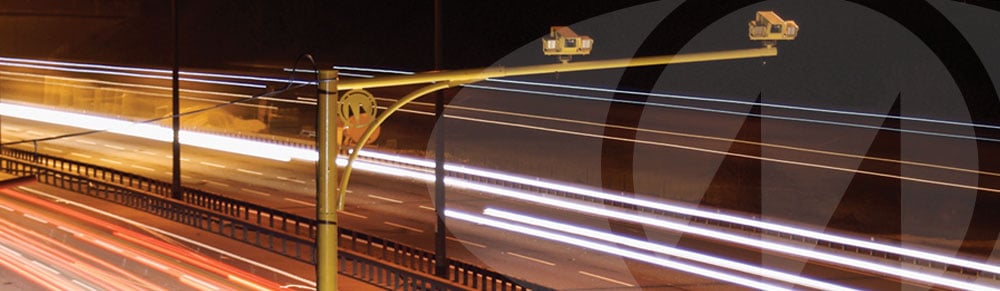
Unlike regular speed cameras, average-speed cameras are located in multiple locations along a single stretch of road to monitor the average speed of cars along that particular road – tracking a driver’s speed over a set distance. This is different to how regular speed cameras work, which only capture a car’s speed at a certain point in the road.
Richard Owen, from Road Safety Analytics, the firm behind the research carried out for the RAC Foundation, said: “Some of the old fixed speed cameras have been around for 25 years and they are based on 35mm film.”
“They are coming to an end of their life so they’re sometimes getting replaced with average speed camera systems.”
Steve Gooding, director of the RAC Foundation, said: “Average speed cameras are becoming a more common fixture on Britain’s roads. Unsurprisingly, the indications are that compliance with the speed limit through stretches of road managed by average speed cameras is high, but the acid test is whether accident and casualty rates have also fallen.
“Rightly or wrongly many motorists perceive the current ‘spot’ speed cameras to be more about raising revenue for the Treasury than saving lives, but average speed cameras have greater potential to bring drivers on side. Clearly a high compliance rate means a very low penalty rate and hence both road safety and drivers’ wallets could benefit from greater use of these systems in appropriate places.”
The longest stretch on a single road in the UK with average-speed cameras covers nearly 100 miles of the A9 between Inverness and Dunblane. Transport Scotland says that the cameras, installed as part of a £3 million scheme in 2014, have helped reduce the number of those killed on the road.
Earlier this year the House of Commons’ Transport Committee recommended the use of more average-speed cameras in the UK, given that they “are generally better received by motorists than traditional fixed-speed cameras”.
The committee said opting for average-speed cameras over regular cameras could help “reduce the impression that motorists are unfairly caught out by speed cameras”.
