
swiftkey

Microsoft acquired predictive keyboard developer SwiftKey

Written by Joseph Nordqvist

Published: 09:17, February 3, 2016

Microsoft has officially acquired SwiftKey, the predictive keyboard developer, according to a blog post by the Redmond-based tech giant.

The Financial Times said in a report that Microsoft snatched up the London-based company for $250 million (about £173 million).

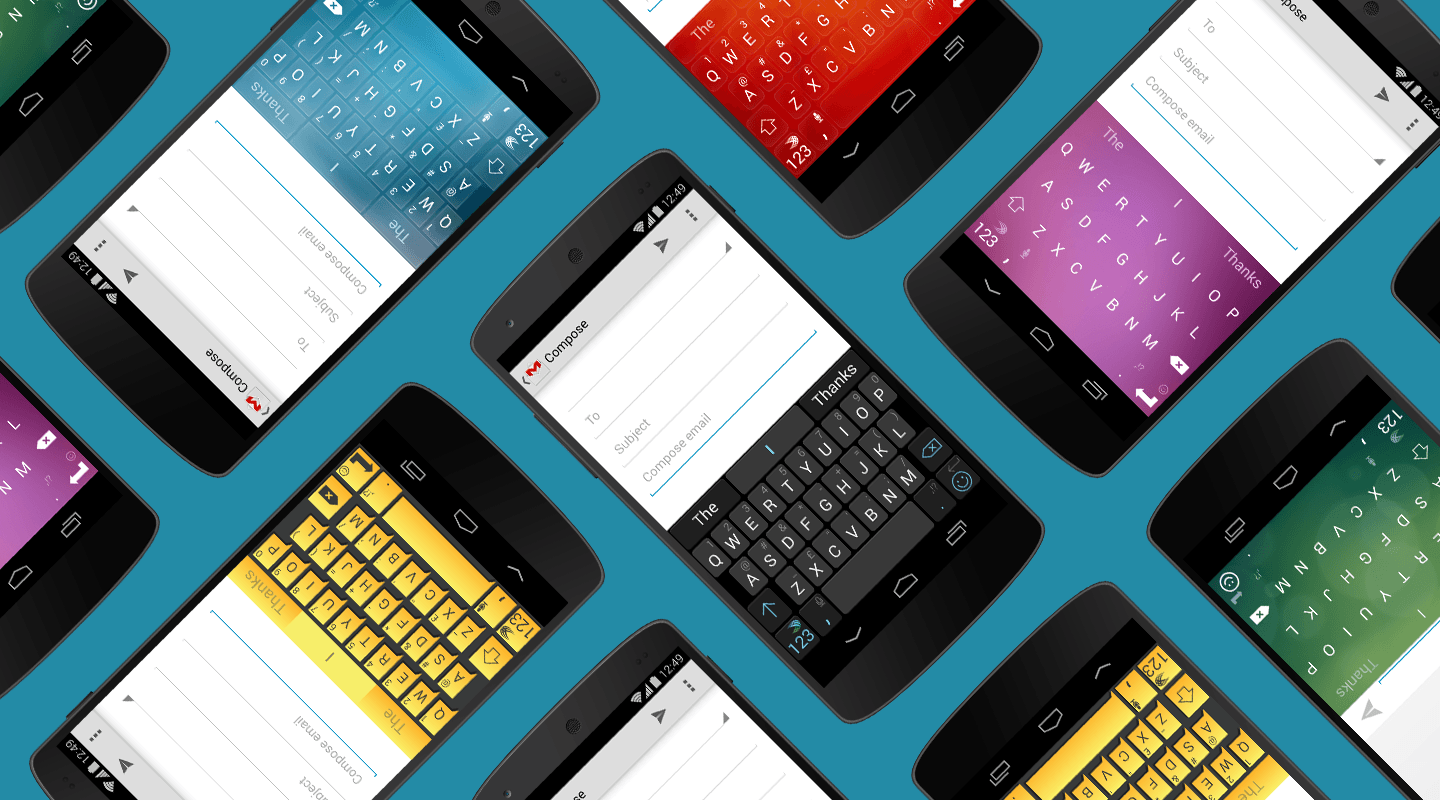
SwiftKey’s software keyboard and SDK powers more than 300 million Android and iOS devices. Its popularity stems from its advanced ‘autocorrect’ and ‘next word suggestion’ features.
swiftkey
SwiftKey learns from previous SMS messages and output predictions based on currently input text and what it has learned.

Harry Shum, Microsoft Executive Vice President, Technology and Research, said in a Microsoft blog post:

“This acquisition is a great example of Microsoft’s commitment to bringing its software and services to all platforms. We’ll continue to develop SwiftKey’s market-leading keyboard apps for Android and iOS as well as explore scenarios for the integration of the core technology across the breadth of our product and services portfolio. Moreover, SwiftKey’s predictive technology aligns with Microsoft’s investments and ambition to develop intelligent systems that can work more on the user’s behalf and under their control.”

Shum went on to say that more information on how Microsoft will integrate SwiftKey with its Word Flow technology for Windows will be revealed in the coming months.


He added: “SwiftKey’s predictive technology aligns with Microsoft’s investments and ambition to develop intelligent systems that can work more on the user’s behalf and under their control.”

SwiftKey dropped its price-tag to be free to download in June 2014. The company confirmed that the app will continue to be free to use.

“Our apps will continue to be available on Android and iOS, for free,” said SwiftKey cofounders Jon Reynolds and Ben Medlock.

Joseph Nordqvist Avatar

Other News

IQE revenue rises 43% as AI demand boosts semiconductor materials

Sep 7, 2026

German industrial production falls as car output drops sharply

Sep 7, 2026

Eurozone growth picks up, but employment barely rises

Sep 7, 2026

Why businesses replace equipment that still works

Sep 7, 2026

What happens to a product after a customer returns it?

Sep 7, 2026

Factories weigh the cost of recycled water against supply risks

Sep 7, 2026

Why invoice fraud remains a business risk as payments go digital

Sep 7, 2026

EV battery recyclers face a long wait for used packs

Sep 6, 2026

France moves business invoicing beyond the emailed PDF

Sep 6, 2026

The financing gap that can stop an export order before it ships

Sep 6, 2026

Singapore sets a benchmark for liquid-cooled AI data centers

Sep 6, 2026

Non-food sales lead a 0.6% decline in eurozone retail trade

Sep 6, 2026

Texas repair law expands access to electronics parts and tools

Sep 6, 2026

Thailand’s high-income push puts smaller firms and regional cities in focus

Sep 6, 2026

Canada’s trade surplus shrinks as exports to the US fall

Sep 5, 2026

El Niño strengthens into 2027, raising risks for food prices, power and trade

Sep 5, 2026

Nvidia agrees to buy Hugging Face for $12.93 billion, pledges to keep platform open

Sep 5, 2026

Global food prices rise as sugar leads August increases

Sep 5, 2026

A weaker currency can lift overseas profits without reviving factories at home

Sep 5, 2026

AI shortcuts may weaken managers’ judgment, researchers warn

Sep 4, 2026