
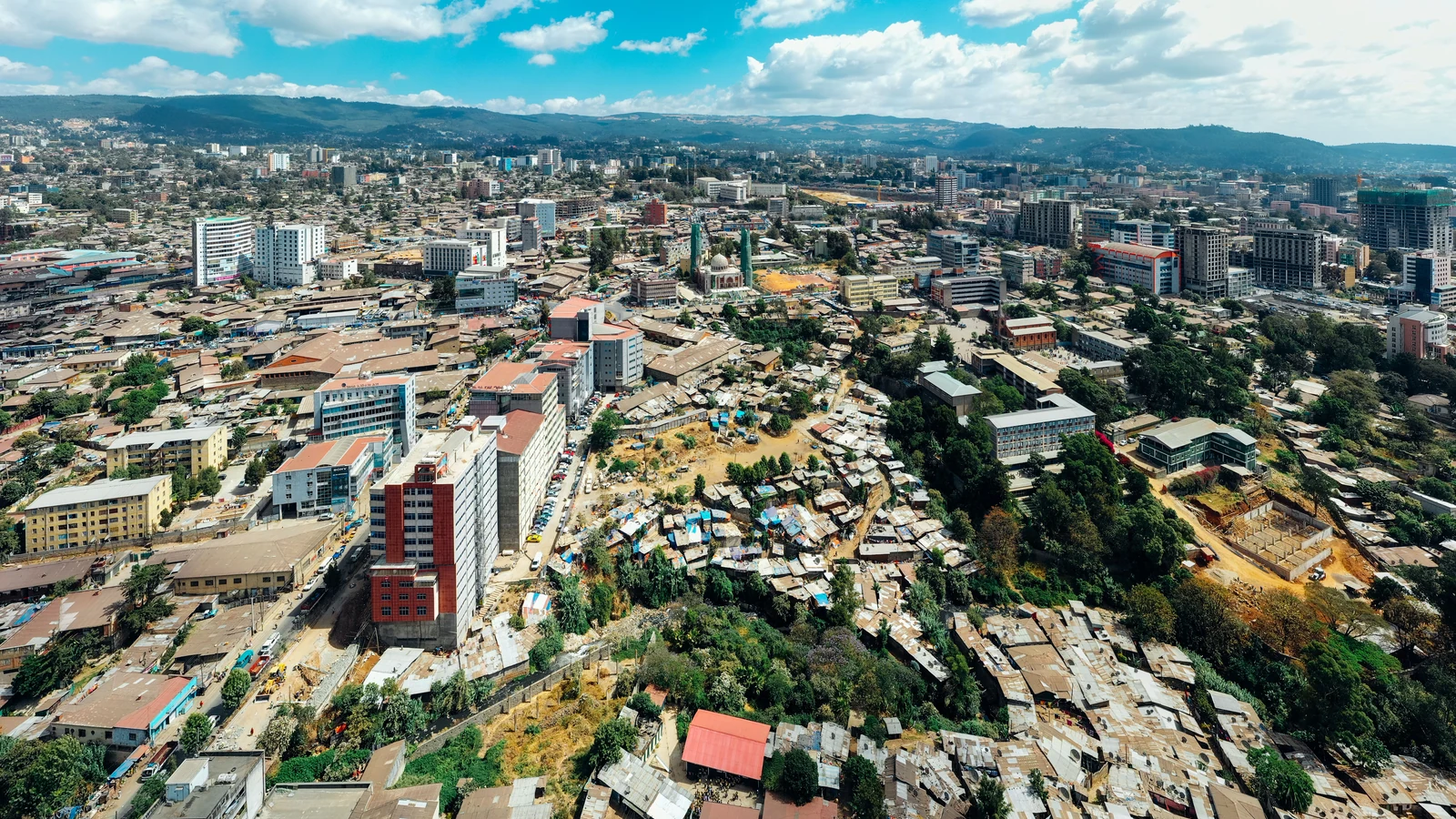
Sub-Saharan Africa is expected to gain 748 million urban residents between 2025 and 2050, putting the region’s cities under pressure to create jobs, housing and transport connections on a much larger scale.
The projection comes from a World Bank report published on October 29, which argues that urban growth can help create better jobs if businesses and workers can reach one another.
Population growth alone will not deliver those benefits. A rapidly growing city can also become more expensive and difficult to navigate if homes, infrastructure and employment develop in different places.
Why proximity matters to businesses
Companies often benefit from being near other firms, suppliers and customers. A manufacturer can find specialized repair services locally, for example, while workers can move between employers without leaving the area.
Economists call the advantages of concentrating economic activity agglomeration benefits. They can include a larger pool of workers, more potential customers and easier exchange of ideas. Those benefits are not guaranteed: congestion, high land costs and unreliable infrastructure can offset them.
The World Bank says urban households in the region spend considerably more per adult than rural households with equivalent education. That comparison is consistent with better economic opportunities in cities, but it does not prove that moving to a city will raise every household’s income.
For employers, the practical question is whether workers can reach a job without spending an unreasonable share of their time and income on the journey. A factory surrounded by potential employees may still struggle to recruit if affordable housing and transport are far away.
Housing and transport shape the opportunity
As cities expand, land on their edges can be developed before streets, drainage and public services are planned. Retrofitting those connections later may be expensive and disruptive.
The report recommends planning and securing land for roads and other infrastructure ahead of development. It also calls for investments that connect workers to places where businesses can form productive clusters.
That does not mean every city should build the same type of industrial park or transport system. A busy trading town, a coastal manufacturing center and a fast-growing capital can face very different constraints. Local demand and the cost of reaching jobs matter as much as the number of new buildings.
Housing is part of the same calculation. When affordable homes are too far from employment, longer commutes can reduce the value of higher wages and make it harder for businesses to retain staff.
Smaller cities matter too
The World Bank identifies more than 15,000 towns and cities across sub-Saharan Africa. The challenge is therefore not confined to the largest capitals.
Smaller places along transport corridors can serve nearby farms, businesses and households. The importance of secondary cities also arose in our coverage of Thailand’s growth plans, although the countries face different circumstances. Investment in a wholesale market, road connection or reliable electricity supply may help firms reach more customers, although the returns will depend on the location and the services already available.
Spreading limited public funds thinly across every possible project can leave important infrastructure incomplete. The report instead recommends selecting investments with attention to economic potential and connections between places.
Who pays for growth?
Local authorities need revenue to maintain roads, provide services and prepare for development. The World Bank points to stronger local financing, including property taxation, as one part of the answer.
Better collection is politically and administratively difficult. Authorities need accurate property information, workable systems and public confidence that payments support useful services. Poorly designed charges can add pressure to households and businesses already facing rising costs.
The projected increase of 748 million people is a forecast, not a count of jobs or a guarantee of future prosperity. What happens will depend on private investment, public finances and decisions made over many years.
For businesses considering expansion, the lasting lesson is to look beyond a city’s headline population. Access to workers, customers, reliable services and affordable premises will help determine whether a growing market becomes a productive one.
