
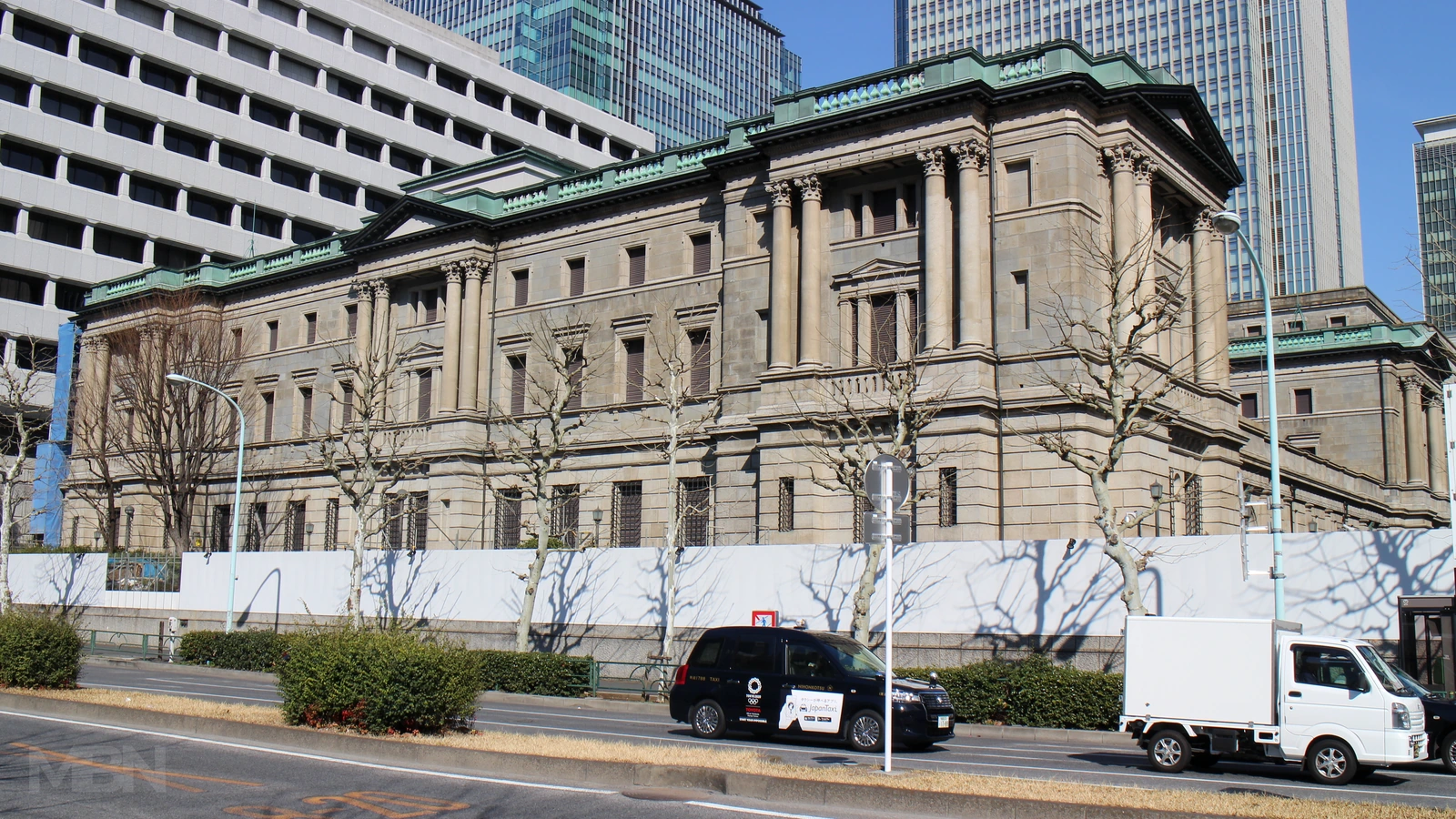
Bank of Japan board member Kazuyuki Masu warned on September 10 that accelerating inflation could force the central bank to raise interest rates rapidly, adding to the debate over how quickly Japan should move away from cheap borrowing.
Speaking to local leaders in Fukui, Masu argued for further increases from the current 1% policy rate. His speech set out his policy position; it did not announce a new interest-rate decision.
The bank’s next policy meeting takes place on September 17 and 18. A Reuters report on Thursday cited a poll pointing to a rise to 1.25% this month. That remains an expectation, rather than an agreed outcome.
When a cost shock spreads
Masu’s concern is that higher fuel and chemical prices can work their way through transport, imported fertilizer and food costs. What begins as an external shock can become more persistent as companies pass those expenses to customers.
He judged underlying inflation, the broader price trend after allowing for temporary disturbances, to be below but very close to the bank’s 2% target. That is his assessment of several indicators, rather than a single newly published inflation reading.
An interest-rate increase cannot produce more oil or remove a shipping disruption. It can make borrowing less attractive and moderate spending, helping limit the extent to which an initial cost increase spreads through the economy.
The difficulty is timing. Moving too slowly risks allowing inflation to become harder to contain. Moving too quickly can add financing costs while households and businesses are already paying more for essentials.
Higher prices also squeeze spending
Deputy Governor Ryozo Himino described that competing pressure in an August 27 speech. He said a weaker yen could help internationally active companies while raising import costs for smaller firms and reducing households’ purchasing power.
Himino nevertheless described consumption as resilient and corporate investment plans as strong. His outlook combined slower growth from expensive oil with support from wage increases, government measures and global demand linked to artificial intelligence.
The exchange-rate effects also vary within a company. As our explainer on weaker currencies and overseas profits describes, translating foreign earnings into the home currency can increase reported profit without increasing domestic production.
A reference range, not a destination
Masu cited an estimated neutral interest-rate range of 1.1% to 2.5%. A neutral rate would neither stimulate nor restrain economic activity. It cannot be observed directly, and the estimates differ according to the model used.
The range therefore does not mean the bank has committed to taking rates to 2.5%. Masu said policymakers would need closer scrutiny of prices, employment and financing conditions as rates approach that territory.
Borrowers and savers face different effects
For a business, the immediate exposure depends partly on its financing. A company refinancing a loan or borrowing for new equipment can face higher costs sooner than one with long-term, fixed-rate debt. A household with a variable-rate mortgage faces a different calculation from a saver holding deposits.
Those differences help explain why a rate increase can have uneven effects even when the economy as a whole is growing. The September meeting will show whether the board believes price pressures justify another step now, and how it weighs the burden on demand.
