
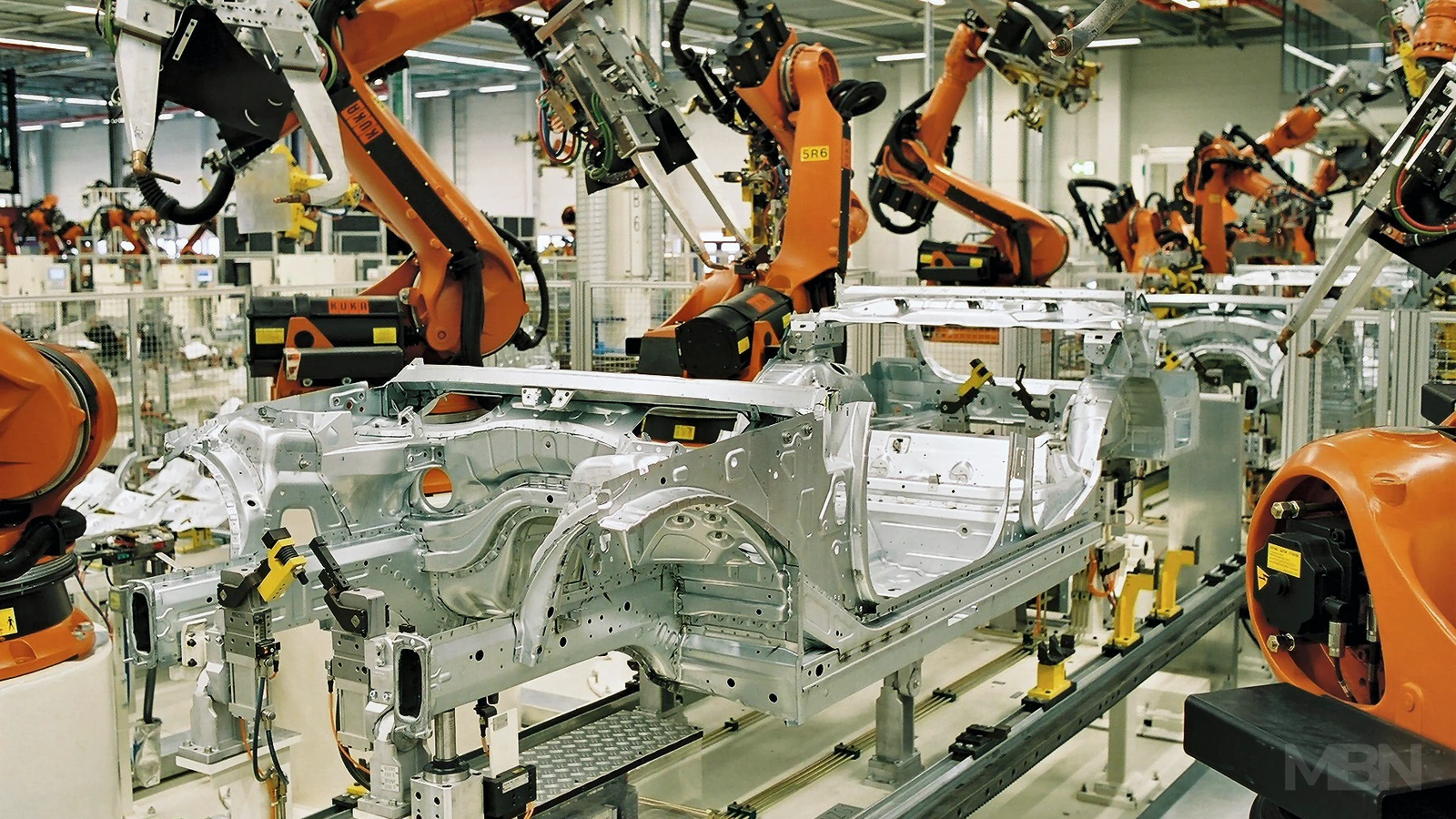
German industrial production fell by 1.1% in July, with a sharp drop in carmaking outweighing increases in energy and construction, official figures published on Monday showed.
The Federal Statistical Office, known as Destatis, said automotive output declined by 9.2% from June. The figures remove price changes, normal seasonal patterns and differences in working days.
June’s overall production figure was revised from a 0.2% increase to no change. July output was 1.6% below a year earlier after calendar adjustment.
A factory conversion interrupts carmaking
Destatis pointed to a multi-week production shutdown as a likely contributor to the automotive decline, citing the German Association of the Automotive Industry, or VDA.
In its August report on July activity, the association said a factory had paused production while being converted to make electric vehicles. It did not identify the plant.
The VDA counted 322,700 passenger cars produced in Germany during July, 6% fewer than a year earlier. Its vehicle count and annual comparison differ from Destatis’s adjusted monthly production index.
For January to July, the association reported production of about 2.43 million cars, down 3% from the same period of 2025 and 15% below 2019.
Energy production provided some support in July, rising by 4.7%, while construction grew by 0.9%. Excluding those two sectors, industrial output fell by 2.2%.
The broader trend was less weak than the monthly result. Total production during May to July was 0.4% higher than in February to April, a comparison that smooths short-term swings.
Large contracts lift orders, but cars weaken
A separate Destatis release on Friday showed manufacturing orders rose by 2.5% in July, largely because of major contracts for ships, railway equipment and aircraft.
Without large-scale orders, bookings fell by 1.4%. Automotive orders dropped by 12.5%. These figures measure new business received, which can be fulfilled later, rather than goods produced during the month.
July’s output figures follow the second-quarter expansion covered in MBN’s report on Germany’s growth and widening budget deficit. They cover the start of the next quarter and only part of the economy, so they do not establish whether overall growth has reversed.
