
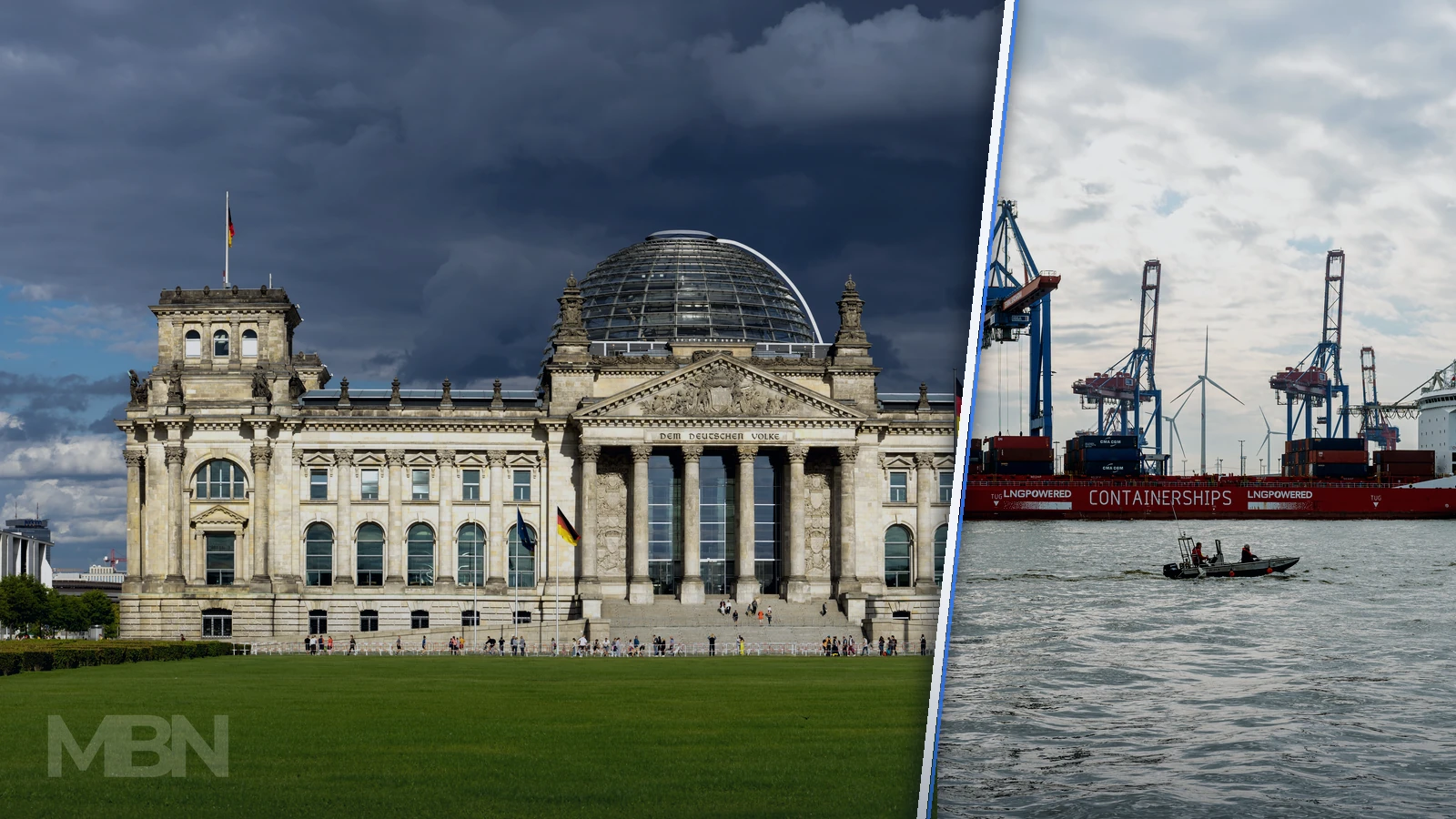
Germany’s general government deficit reached €71.3bn in the first half of 2026, €36.6bn more than a year earlier, as public spending rose more than twice as quickly as revenue.
The deficit was equivalent to 3.1% of gross domestic product (GDP), according to provisional figures from the Federal Statistical Office, known as Destatis. This was slightly above the 3% reference value set under the Maastricht Treaty.
The comparison needs care. The 3.1% figure covers only the first six months of the year, while the European Union’s fiscal assessment is based on annual data. Destatis said the half-year figures allow only limited conclusions about Germany’s result for the whole of 2026.
General government includes the federal government, Germany’s regional states, local authorities and social security funds. The measure is based on the European System of Accounts, which allows public finances to be compared across EU countries.
Federal spending accounts for most of the increase
Government expenditure rose by 6.1% from a year earlier to €1.1445tn. Revenue increased by 2.8% to €1.0732tn.
The federal government recorded the largest shortfall, with its deficit increasing by €29bn to €48.1bn. The regional states reported a combined deficit of €6.5bn, while the local government deficit narrowed to €14.8bn.
Social security funds moved from a €3.8bn surplus in the first half of 2025 to a €1.8bn deficit this year. Destatis attributed the reversal mainly to higher spending on statutory health and long-term care insurance.
Several spending categories increased sharply. Investment grants rose by 19.8% to €27.5bn, subsidies climbed by 10.1% to €25.8bn and interest payments increased by 11.6% to €27.3bn.
Jens Boysen-Hogrefe of the Kiel Institute for the World Economy told Reuters that additional defence expenditure, investment and subsidies financed through special funds were major contributors to the federal deficit.
Growth was stronger, but depended heavily on exports
A separate Destatis release published on Tuesday revised Germany’s second-quarter economic growth to 0.3% from an earlier estimate of 0.2%. The economy had expanded by 0.4% in the first quarter.
Exports of goods and services rose by 2% from the previous quarter, with goods exports up 2.6%. By comparison, household consumption increased by just 0.1%, while investment in machinery and equipment fell by 1.4%.
“The German economy is maintaining the growth momentum seen at the start of the year,” Destatis President Ruth Brand said. She added that exports were again the main source of growth.
The figures produce a mixed picture. Germany’s economy performed slightly better than first estimated, but the improvement relied heavily on overseas demand and did not prevent a sharp deterioration in the public finances.
Employment also remained weak. About 45.7 million people were employed in Germany during the second quarter, 212,000 fewer than a year earlier. Germany’s GDP growth of 0.3% was below the EU average of 0.5% for the quarter.
The full-year deficit will depend on whether the stronger economic activity lifts tax receipts and whether spending continues to grow at its first-half pace. For now, the official data show that better export performance and wider fiscal pressures are developing at the same time.
