
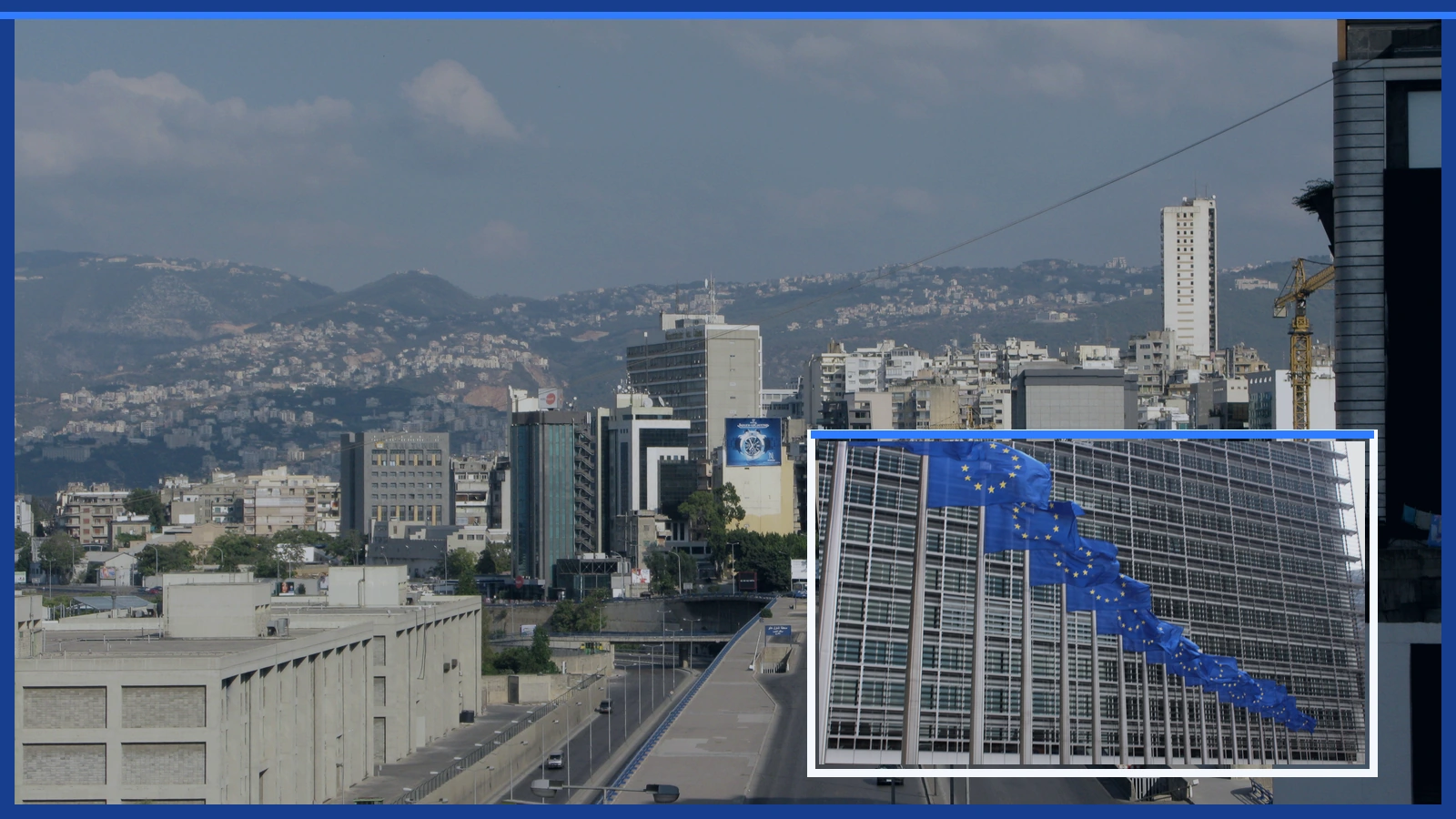
The European Commission has adopted a €505 million support package for Lebanon covering 2026 and 2027, completing the second half of a €1 billion commitment announced in 2024. The funding is intended for basic services, recovery, reforms, security and civil society, rather than a direct cash transfer to the Lebanese government.
The Commission announcement on 23 September says the package will be implemented with Lebanese authorities, United Nations agencies, international organisations and civil-society groups.
The new allocation follows an initial €500 million tranche adopted in August 2024. It forms part of the broader 2024 to 2027 package, which the EU says was designed to support Lebanon’s socio-economic stability, essential services, reform agenda, economic recovery, security and border management.
Where the funding is intended to go
The Commission lists three broad areas. The first is basic services and support for vulnerable people, including education, health, social protection, water, cash assistance and primary healthcare. It also includes support for refugees from Syria and for Lebanese authorities taking over and sustaining essential services.
The second combines recovery, reforms and security. Funding is intended to support the justice sector, oversight and regulatory bodies, parliament, border management, private-sector resilience and recovery in areas affected by conflict.
The third is civil society and culture, including organisations supporting women, young people, minorities and people with disabilities, alongside programmes on democratic participation, transparency and anti-corruption.
Funding follows a wider emergency response
The Commission says more than one million people have been internally displaced since March as the regional escalation deepened. It says the EU has also provided €100 million in humanitarian aid to Lebanon in 2026 for emergency healthcare, shelter, basic needs, protection and education.
Humanitarian aid and the new financial-support package have related but different purposes. Emergency aid addresses urgent needs. The larger multi-year package combines those needs with support for institutions, reforms and longer-term recovery. Neither category alone demonstrates that conditions on the ground have improved.
Reforms are part of the package, not a completed outcome
The Commission describes the money as support for Lebanon to advance reforms and recover from conflict and displacement. It does not say that the reforms have already been completed or that the full package will solve the country’s fiscal, banking or governance challenges.
The emphasis on institutions, regulation and private-sector resilience reflects a wider development-finance problem. Funds can support public services and investment, but lasting economic recovery also depends on domestic policy choices, implementation capacity and wider regional stability.
MBN’s recent coverage of World Bank work on trade within Africa reached a similar practical conclusion in another region: formal support and market access can help, but infrastructure, institutions and implementation determine whether economic gains reach companies and households.
What to watch next
The package’s effect will depend on project design, delivery partners and whether funding reaches services and reforms as planned. The Commission’s announcement provides a framework and allocation, not a published list of every individual programme or a timetable for each result.
For Lebanon, the €505 million provides a material external commitment during a period of displacement and instability. For the EU, it is also a long-term bet that support for services, accountable institutions and economic recovery can reduce the costs of a prolonged regional crisis.
