
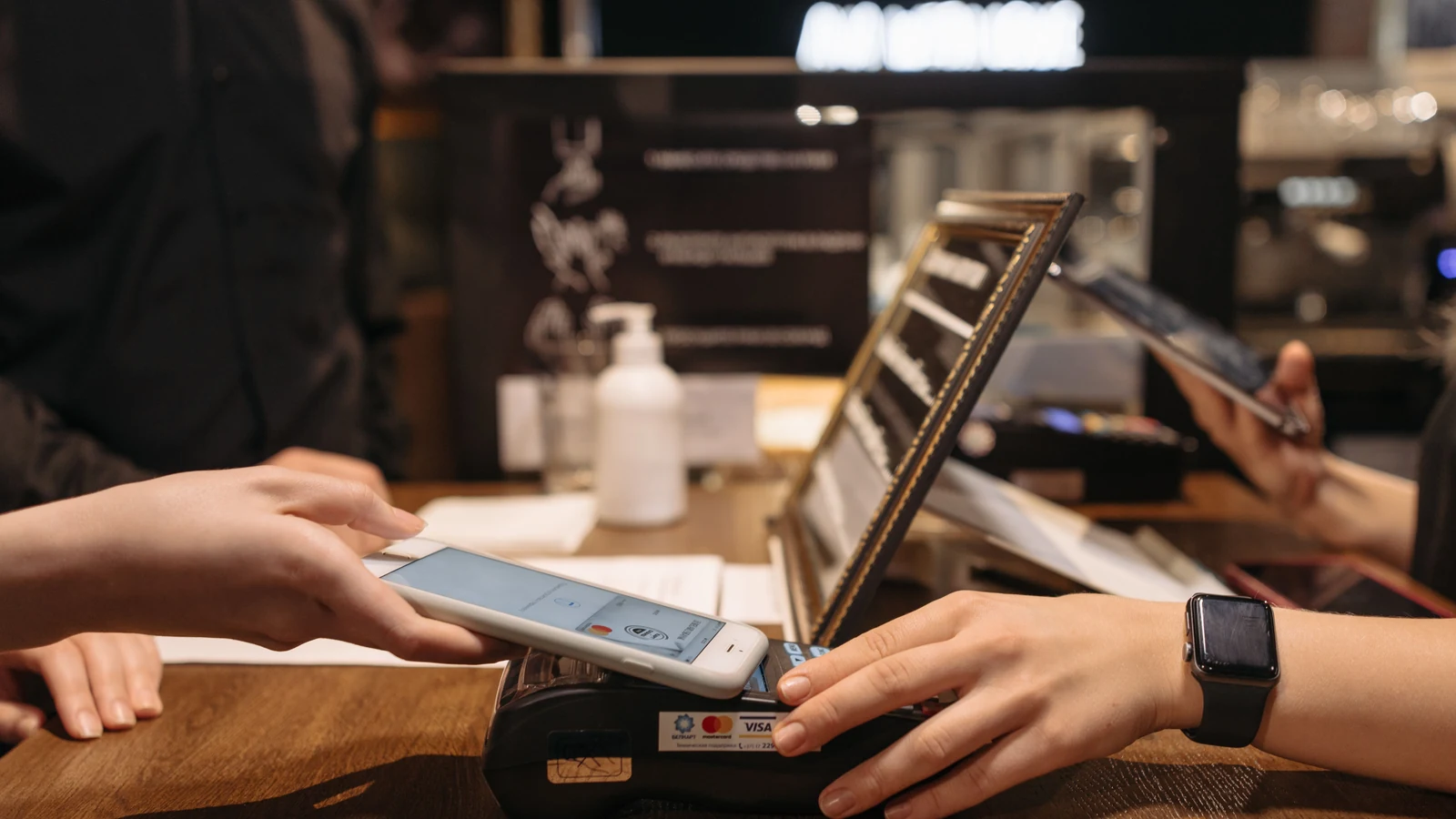
Hands-on installation help increased digital-payment adoption among cash-only retailers in Mexico, while additional help encouraging customers to try the service produced a further gain, a randomized field experiment found.
The study involved 479 retailers in Guadalajara and was published in Management Science in June 2026. It examined whether support after a payment device was provided could overcome barriers that remained even when merchants had access to the technology.
Compared with a control group, installation support increased long-term adoption by 21.4 percentage points. Adding support to help merchants demonstrate the service’s value produced a further 13.4-point increase, the researchers reported.
Free equipment did not remove the setup work
A payment system can require a merchant to complete several steps before accepting a transaction. Those steps may include registering an account, connecting a card reader and teaching staff how to use it.
In the system studied, setup required 17 steps, according to a Stanford account of the research. The study’s authors were Shreya Kankanhalli, Stephen Anderson, Leonardo Iacovone and Sridhar Narayanan.
Researchers assigned 159 retailers to receive installation help and 162 to receive that help plus additional assistance encouraging use. A control group of 158 did not receive those interventions. The support resembled customer success management, a service often used by technology providers to help business customers start using a product.
Stanford reported that, after 12 months, close to one-third of the unsupported group had accepted a digital payment, compared with nearly two-thirds of those receiving the fuller package. Accepting one payment is a measure of adoption, not proof that a store had replaced cash or was using the system frequently.
Getting customers to use the system
A working device does not guarantee that shoppers know a store accepts electronic payments or want to use them. The second intervention helped merchants promote the option and encourage early transactions.
The additional support increased usage as well as the likelihood of adoption. Retailers receiving installation help alone averaged about three digital payments a month in the first year, while those receiving the full package averaged more than five, Stanford reported.
Those figures leave room for cash to remain the main payment method. Merchants considering a payment service also need to account for transaction fees, settlement times, connectivity and staff time. A higher transaction count does not automatically mean higher profit.
The research has implications for providers selling to small firms. Measuring how many devices are distributed or accounts opened can miss problems encountered during setup. Tracking working devices and repeat transactions can provide a fuller picture of whether customers are getting a service they can use.
The experiment covered a particular group of cash-only retailers and one setting. Its results should not be assumed to apply unchanged to every region or payment product. The study also received support from organizations including the Mastercard Center for Inclusive Growth, alongside university and World Bank funding.
For a business weighing payment options, our online banking explainer describes some of the account services that may sit alongside electronic transactions. The research points to a separate consideration: who will help resolve problems after the equipment arrives.

