
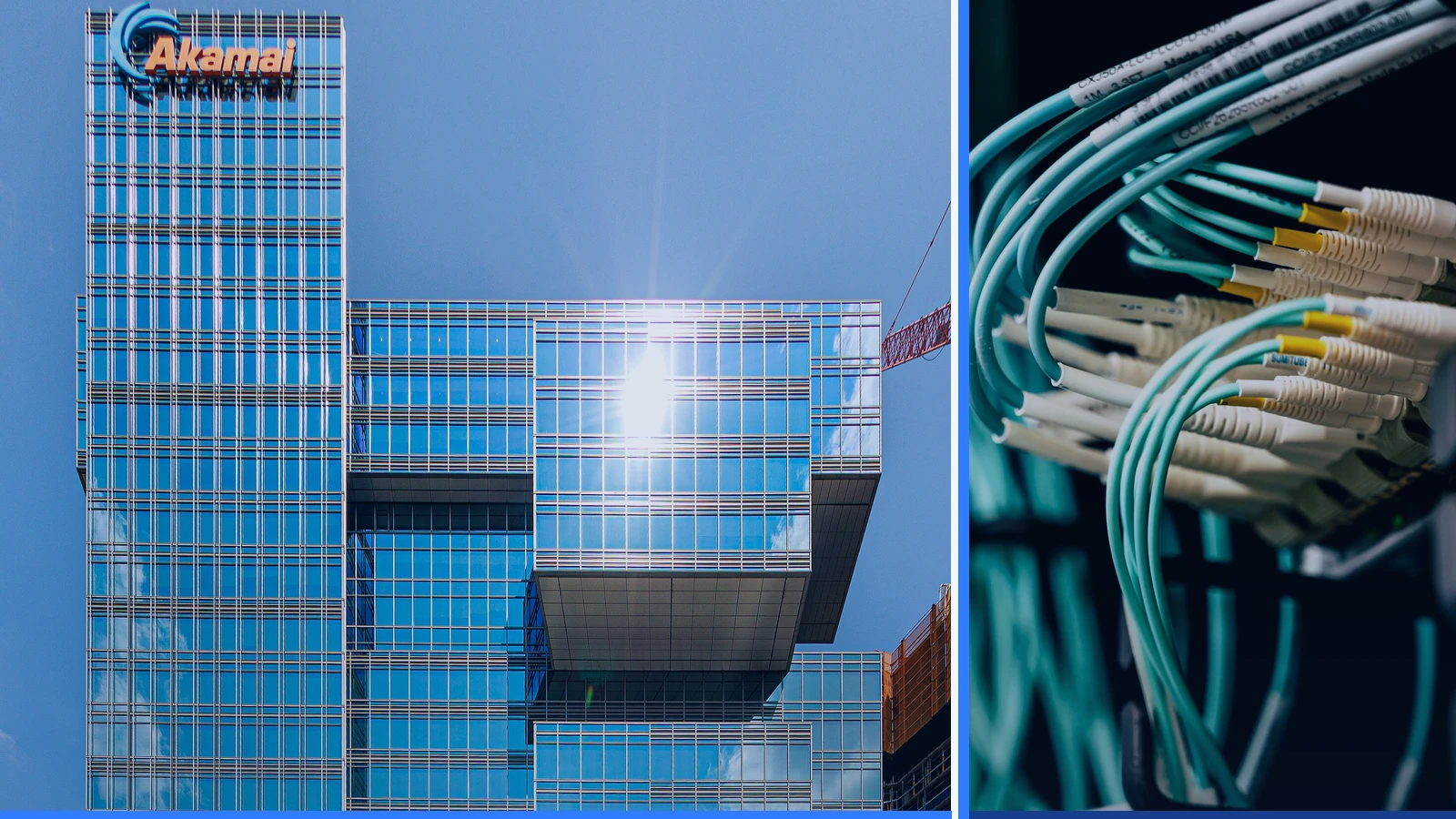
Akamai has signed a seven-year agreement under which Anthropic has committed to buy about 11.6 billion dollars of cloud capacity and related services. The contract could become much larger, but it also requires Akamai to commit substantial capital before the revenue reaches its planned run rate.
The agreement, announced on 24 September, gives Anthropic access to Akamai Cloud’s distributed infrastructure for growing CPU workloads. Akamai says the commitment can expand by up to 9 billion dollars, bringing the potential total to about 20 billion dollars, subject to further purchases and agreed terms.
The figures describe contractual commitments over years, rather than revenue Akamai has already recognized. The company’s SEC filing says the project plans have initial seven-year terms and are subject to delivery and service-availability conditions.
Revenue is paired with upfront infrastructure spending
Akamai estimates that the 11.6 billion dollar commitment will require about 5.5 billion dollars of capital expenditure. It expects to increase 2026 capital expenditure by around 1.7 billion dollars to secure and pre-purchase critical components, including memory.
That is the operating challenge behind the headline contract. Cloud providers must obtain equipment, power, networking and data-center capacity before they can serve a large customer at scale. Akamai says the agreement will not change its 2026 revenue guidance, which underlines that much of the delivery and revenue recognition lies ahead.
In an investor presentation, the company projected initial service in late 2027, a fuller revenue ramp through 2028 and an eventual contracted run rate of about 1.7 billion dollars a year. Those are company estimates, not revenue already earned or a guarantee that every expansion option will be exercised.
The warrant makes the commercial structure unusual
Akamai has also issued Anthropic a warrant for non-voting convertible preferred stock representing up to about 5% of Akamai’s common stock on an as-converted basis. A warrant gives its holder a right to buy shares at a stated price under specified terms.
About 2% is expected to vest in connection with the current 11.6 billion dollar commitment. The remaining portion would vest if Anthropic expands the relationship by up to a further 9 billion dollars, in three 3 billion dollar steps. The warrant is therefore not a cash payment from Akamai to Anthropic, but it could dilute existing shareholders if it is exercised and converted.
The structure gives Anthropic an incentive linked to the scale of its purchases while giving Akamai a large potential customer. It also means the economics cannot be assessed from the contract value alone. Investors will need to watch capital spending, delivery schedules, margins and how much of the optional expansion materializes.
AI infrastructure is becoming a financing business
The arrangement is another example of AI infrastructure moving beyond chips. Data centers and cloud platforms need hardware, energy, property and long-term customer commitments before capacity can be financed and built.
MBN’s earlier report on Nvidia’s contingent guarantee for OpenAI’s planned Ohio data center examined a different structure with the same broad issue: suppliers are taking on more of the financing and demand risk behind future AI capacity.
For Akamai, the next evidence will be physical rather than contractual. The company needs to turn pre-purchased components and capital spending into available capacity, then convert the seven-year commitment into revenue without allowing the buildout to overwhelm returns.
