
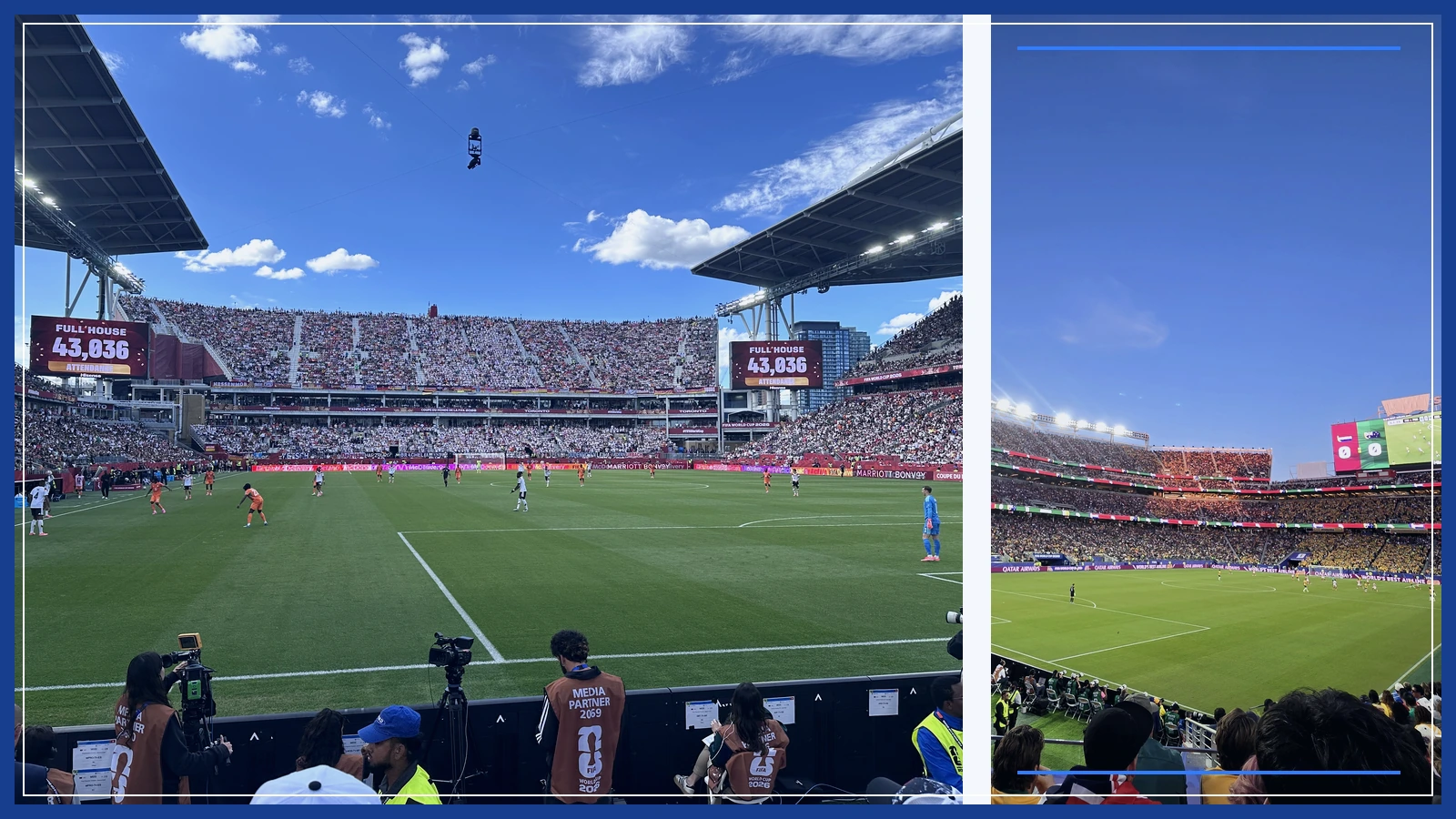
A Bristol-led analysis of every match at the 2026 FIFA World Cup counted 93,409 visible logos for unhealthy food and drink, alcohol, gambling, prediction markets and cryptocurrency during live play. The report puts a sharp commercial question on the table: when a centrally produced sports feed crosses borders, who is responsible for the advertising embedded in it?
The report, produced by researchers at the University of Bristol and the University of Oxford, analyzed 172.6 hours of live footage from all 104 matches played from June 11 to July 19. It counted branding placed inside the match pictures, mainly on pitchside LED boards, rather than commercials inserted by a broadcaster during breaks.
That makes the inventory more than a record of a successful sponsorship program. Viewers can skip a conventional ad break or look away from a screen. A logo beside the field travels with the game itself.
The analysis measured exposure, not whether a viewer noticed a particular logo or bought an advertised product. It also used the researchers’ category of “harmful commodity” brands, which groups food and beverage brands that did not meet the World Health Organization’s European nutrient profiling criteria with alcohol, gambling, prediction-market and cryptocurrency brands.
Pitchside boards became part of the broadcast product
At least one included brand was visible for 39.3 hours, or 22.8% of all the live play analyzed. Adding screen time for individual brands produced a total of 51.7 hours because several brands could appear at once. The report recorded 23,380 separate instances, with an average of 9.02 logos a minute.
Unhealthy food and beverage brands accounted for 65,722 logos, or 70.4% of the total. Prediction markets produced 9,360 logos, alcohol 9,266, gambling 6,429 and cryptocurrency 2,632. Coca-Cola, McDonald’s, Powerade and Lay’s accounted for 65% of all logos counted.
The methodology treated parent-brand variants together. Coca-Cola Zero Sugar, for example, remained in the food and beverage category, while Budweiser 0.0 and Michelob Ultra Zero remained alcohol branding because they share the identity of alcohol parent brands. The count is about brand exposure, not a claim that every individual product had the same nutritional or alcohol content.
For a tournament organizer, that visual inventory is part of the inventory being sold to sponsors. Our earlier coverage of Premier League media rights describes a similar commercial logic at league level: a centrally assembled feed turns live sport into a product sold far beyond the stadium.
One feed, many legal regimes
FIFA’s centrally produced international feed meant that the same in-stadium branding could reach broadcasters around the world. The research team spot-checked matches shown in France, Germany and Iran and said the stadium advertising matched the UK recordings used in the main analysis.
The report argues that this created a mismatch between an international sponsorship package and national rules. It says alcohol branding reached markets where alcohol advertising or alcohol itself was prohibited, while gambling and prediction-market branding reached places where an operator was not locally licensed, where its status was uncertain or where commercial online gambling was prohibited.
Visibility in a country does not establish that a sponsor offered or sold its product there. It does mean the broadcast carried a promotional message into that market. That leaves rights holders, broadcasters and regulators to decide whether a national advertising restriction applies to branding already built into an international sports feed.
Localized boards are already technically possible
The report points to virtual board replacement, which lets a broadcaster substitute different advertising on the same pitchside boards for viewers in different markets. UEFA used the technology during Euro 2024 to produce localized advertising versions for China, Germany and the United States.
Bristol’s researchers say FIFA did not use comparable replacement during the World Cup. Their proposal is not to end sports sponsorship, but to match the advertising visible in each territory to the products and operators permitted there. That would require more coordination among a tournament organizer, rights holders, production partners and broadcasters, as well as decisions about who pays for the localized feed.
The financial scale makes that work consequential. Using audience data from 53 UK broadcasts, the researchers estimated 267 billion gross logo impressions. A gross impression is not a unique person. It counts each detected logo multiplied by the audience for that broadcast, so one person can contribute many impressions across a match and tournament.
The World Cup report did not measure subsequent buying, drinking, gambling or trading. Separate research covered in our article on youth exposure to alcohol marketing found an association between higher exposure and later drinking outcomes, while also leaving room for other factors that may affect behavior.
For sponsors, embedded branding retains its appeal because it is visible during the part of the broadcast people most want to watch. The 2026 tournament shows why that same visibility is becoming a regulatory and production issue, especially when one live feed enters countries with different rules.
