
The International Energy Agency expects manufacturing scrap to remain the main input for battery recycling until retired batteries take the lead in the mid-2030s, leaving recyclers to plan around a supply of used packs that grows much more slowly than electric vehicle sales.
The agency’s 2026 Global EV Outlook says recycling capacity already exceeds the material available globally. Most batteries installed in electric vehicles and stationary storage systems in recent years are still operating.
For recycling companies, the commercial question is how to keep facilities supplied and earning money during that wait. A plant’s advertised processing capacity says little about how much material it can secure at a workable price.
Factory scrap and retired batteries arrive on different schedules
Manufacturing scrap is material left over from making cells and other battery components. It becomes available during production, while a battery fitted to a new vehicle may remain in service for many years.
The IEA says recyclers connected to battery manufacturers can benefit from access to their production scrap. Independent operators must also secure dependable supplies, often while competing for the same available material.
A new recovery model published by the US National Institute of Standards and Technology on July 27 maps the work needed after batteries become available. It follows collection, testing, sorting, and different routes for recovering batteries or their materials.
The model is a shared description of processes and information needs. It does not certify a recycling technology or establish that a particular facility will be profitable.
Testing can determine whether a battery is suitable for another application, needs rebuilding, or should enter material recycling. Reusing an existing battery and breaking it down to recover its ingredients are separate businesses with different costs and customers.
The ingredients determine what a recycler can sell
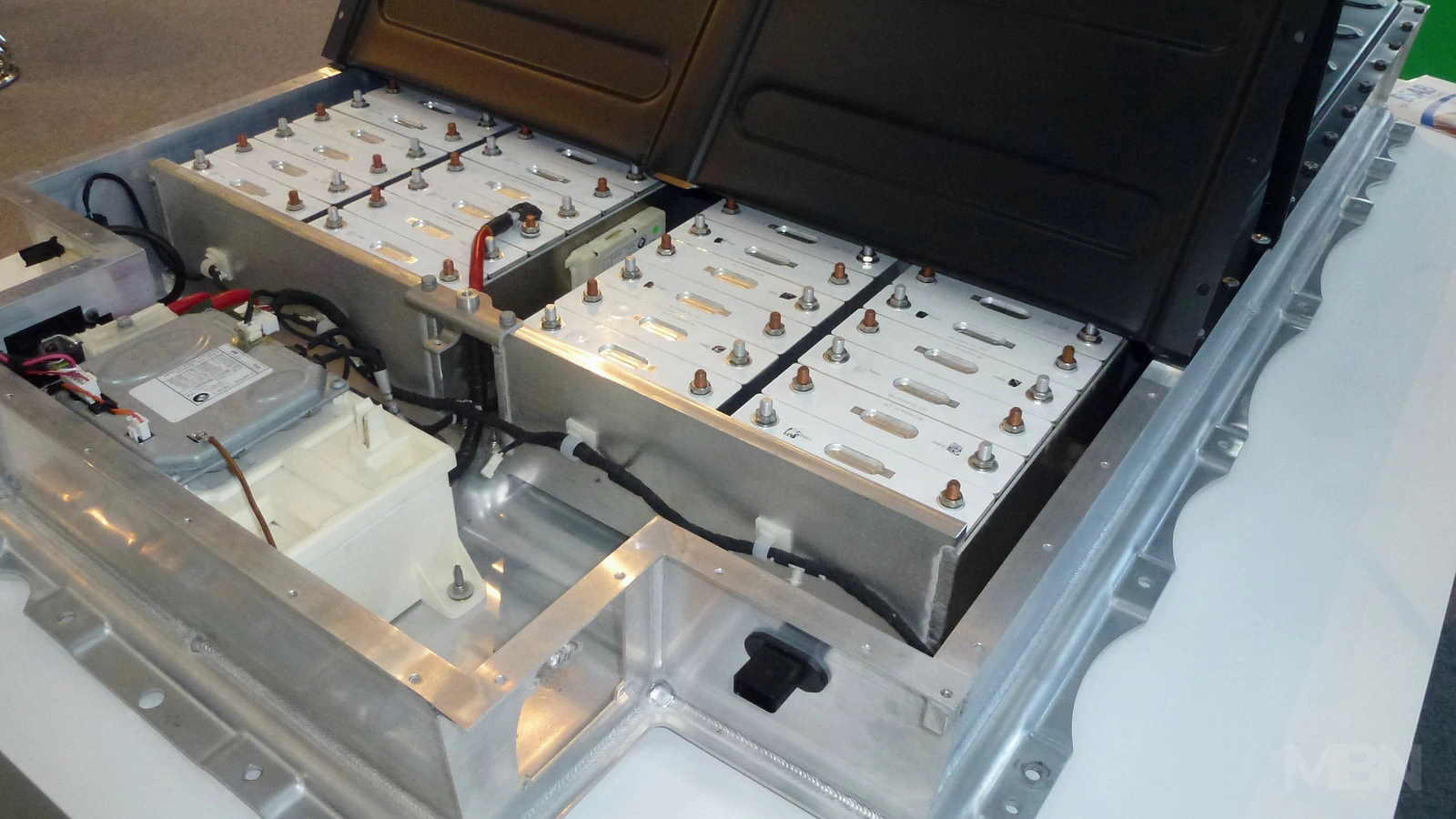
A battery pack combines cells with connections, a casing, and control equipment. Some designs group cells into modules; others omit that intermediate layer.
Recovering material involves more than collecting that finished product. NIST’s technical report maps preparation, disassembly, and processing, including routes that use heat or chemical solutions to separate materials.
The contents also differ. Lithium iron phosphate, usually shortened to LFP, has a lower recoverable material value than some nickel-based battery chemistries. The IEA’s critical-minerals recycling analysis identifies that difference as a problem for businesses relying on sales of recovered metals.
A battery can be technically recyclable without generating enough metal revenue to cover collection and processing. Changes in commodity prices can further alter the return from the same physical material.
Costs need to be assessed across the operation. Argonne National Laboratory’s EverBatt modeling framework accounts for transport, processing, plant scale, and differences in local costs. Its original report was published in 2019; those historical cost assumptions are not current market quotations.
A facility handling fewer batteries than planned has less material over which to spread its overhead. Locating close to supplies may reduce transport costs, but the available chemistry and the process installed must also fit together.
A July review in Nature Energy identifies changing designs and chemistries among the industry’s technical and economic difficulties. Its authors say emerging sodium-ion and solid-state batteries will require process adaptations, so equipment suitable for today’s inputs may need further investment.
Processing fees can change the revenue model
One alternative is toll recycling: the customer pays for processing and retains ownership of the recovered material. The recycler earns a service fee instead of depending entirely on buying batteries and reselling their contents.
The IEA identifies this approach as a possible response to lower-value chemistries. It changes who carries exposure to metal prices, although the operator still needs contracts, reliable inputs, and a process that works at the agreed fee.
Better records can help businesses choose the right treatment. As we reported in our coverage of EU battery passports, the information required across a battery’s life can extend to chemistry, condition, and dismantling.
NIST’s model likewise treats battery information as an input alongside the physical material. Knowing what arrives at the gate can determine whether a company has bought a reusable asset, suitable recycling material, or a pack that requires more work than its expected proceeds justify.
