

BP slashing jobs further, following plunging oil prices

Published: 13:10, December 7, 2014

Multinational British oil & gas company BP plc. is speeding up its workforce reduction program, following the persistent plummeting of oil prices.

The London-based oil giant is looking to drastically cut its non-operations employees, including back-office staff. Middle-management posts are also being considered for the chopping block.

All major and minor energy companies have had to reconsider their business strategies since oil prices dropped by nearly 40% since June 2014.

BP said in a statement:

“Oil is concentrating minds on making the organization more efficient and the right size for the smaller portfolio we have now.”

Last week, oil closed at its lowest level since 2009, after OPEC members, led by Saudi Arabia, opted to maintain their 30 million-barrels-per-day production ceiling, despite a persistent decline in prices.
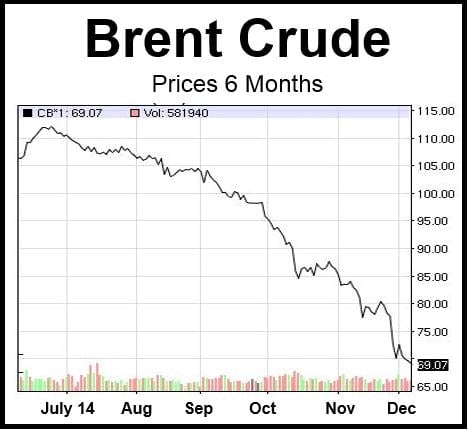
Oil price fall

The oil price fall is expected to continue well into 2015. (Chart: Nasdaq)

BP along with other oil majors are expected to cut back drastically on exploration expenditure.

Over the last few years BP has been divesting parts of its portfolio. It says it is today one third smaller than it was in 2010. The company plans $10 billion of asset disposals within the next two years, as part of its restructuring program.

BP is vulnerable to the woes of the Russian economy and its state-owned company Rosneft. It has a 19.75 stake in Rosnet, whose outlook has taken a nosedive over the past six months.

According to analysts in Western Europe and North America, oil will trade at between $60 and $70 in 2015, which is expected to reduce Europe’s oil and gas companies’ earnings by at least one third. Capital expenditure will be cut severely, they add.

BP’s Chief Financial Office told the Sunday Times:

“We have got flexibility in our program to trim into next year if that’s what we need in a new world of oil at $70 or $60, or whatever the number is.”

Christian Nordqvist Avatar

Other News

Why the right decade matters: new research could help advertisers use nostalgia more effectively

Aug 3, 2026

Could flexible working unlock a new generation of women leaders in family businesses?

Aug 3, 2026

Can waste become the world’s next fire-resistant building material?

Aug 3, 2026

Public R&D spending can boost the economy before the money is even spent, study finds

Aug 2, 2026

Boehringer Ingelheim’s Mexico City expansion targets 5 billion tablets a year

Aug 2, 2026

Why more accurate AI forecasts don’t always make better investment decisions

Aug 1, 2026

The AI boom is inheriting the geography of America’s old energy economy

Jul 31, 2026

Brands scale AI investment as consumers place greater value on reliability, survey finds

Jul 30, 2026

Customers may praise products they helped create even when they fail

Jul 30, 2026

Study links Uber and Lyft to higher local GDP, but overall job effects remain unclear

Jul 30, 2026

Why some industrial parks create thousands of jobs while others create almost none

Jul 29, 2026

Solar farms meet farming as AI robots work beneath the panels

Jul 28, 2026

Simple chemical treatment could make recycled car plastic almost as strong as new

Jul 28, 2026

Leaf spray could give farmers another tool against salty soil

Jul 28, 2026

Product recalls were linked to lower reported tax rates near year-end

Jul 27, 2026

Land degradation is linked to billions in lost farm output

Jul 26, 2026

Chile’s mining disruption exposes a hidden risk in the AI supply chain

Jul 26, 2026

Bad customer matching can make a profitable ad campaign look like a failure

Jul 26, 2026

1% of resumes contain hidden prompts to trick AI hiring tools

Jul 25, 2026

One fund transaction may have sent the wrong signal about bond investors

Jul 25, 2026