
The European Commission has published updated guidance covering 71 data points that businesses may need to address before digital battery passports become compulsory in February 2027.
The document, published on 21 August, covers electric-vehicle batteries, batteries used in light transport such as e-bikes and e-scooters, and industrial batteries with a capacity greater than 2 kilowatt-hours.
From 18 February 2027, each battery in those categories that is placed on the EU market or put into service must have an electronic record known as a battery passport.
The Commission’s updated guidance identifies which data points are mandatory, optional, dependent on particular circumstances or not yet required when the rules start.
A QR code will connect the battery to its record
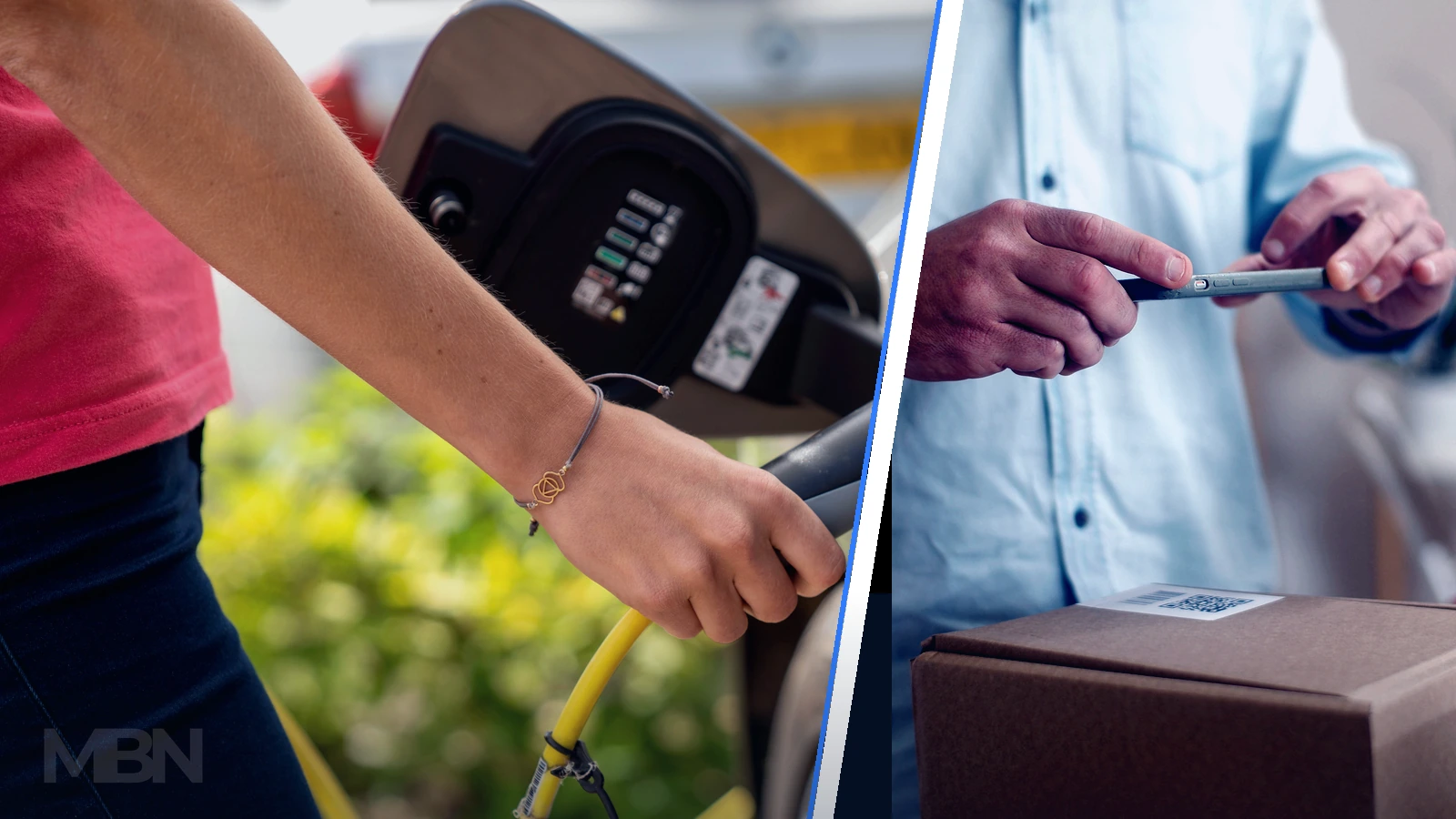
Under the EU Batteries Regulation, the passport must be accessible through a QR code linked to a unique identifier for the individual battery.
The information can include the battery’s identity, chemistry, critical raw materials, carbon footprint, recycled content, capacity, voltage, expected lifetime and performance. Repairers, remanufacturers and recyclers may also need information about dismantling and the battery’s condition.
Not everybody will see everything. Some information will be public, while commercially sensitive or technical records will be restricted to authorities and other parties with the appropriate access rights.
The business responsible for placing the finished battery on the market must make sure the passport information is accurate, complete and current. It can authorise another operator to handle the work, but the legal responsibility remains attached to the company placing the battery on the market.
The task extends beyond printing a label
The QR code is the visible part of the system. The more demanding work will be collecting and maintaining the information behind it.
A battery producer may have to obtain records from cell manufacturers, material suppliers and other businesses in its supply chain. Some data will also change during the battery’s working life, particularly where performance, repair, reuse or repurposing is concerned.
The regulation requires passport information to use open standards and an interoperable, machine-readable format. In practice, manufacturers and importers may need to align purchasing records, product databases, compliance systems and supplier contracts before the deadline.
The Commission says the obligation applies to the economic operator placing the finished battery on the EU market, rather than every supplier of a component or module. Suppliers may still have to provide much of the information needed to complete the record.
The guidance does not add new legal duties
The Commission has stressed that the guidance should be read alongside the regulation and subsequent implementing measures. It does not create additional requirements and is not an authoritative legal interpretation.
Further updates may clarify individual data points, measurement units and reporting formats. The latest document therefore gives companies a more organised compliance map, but it is not necessarily the final technical specification they will use in February.
The deadline is now less than six months away. For companies selling covered batteries in Europe, the immediate question is whether the necessary information already exists in a usable digital form, and who will keep it current after the product leaves the factory.
