
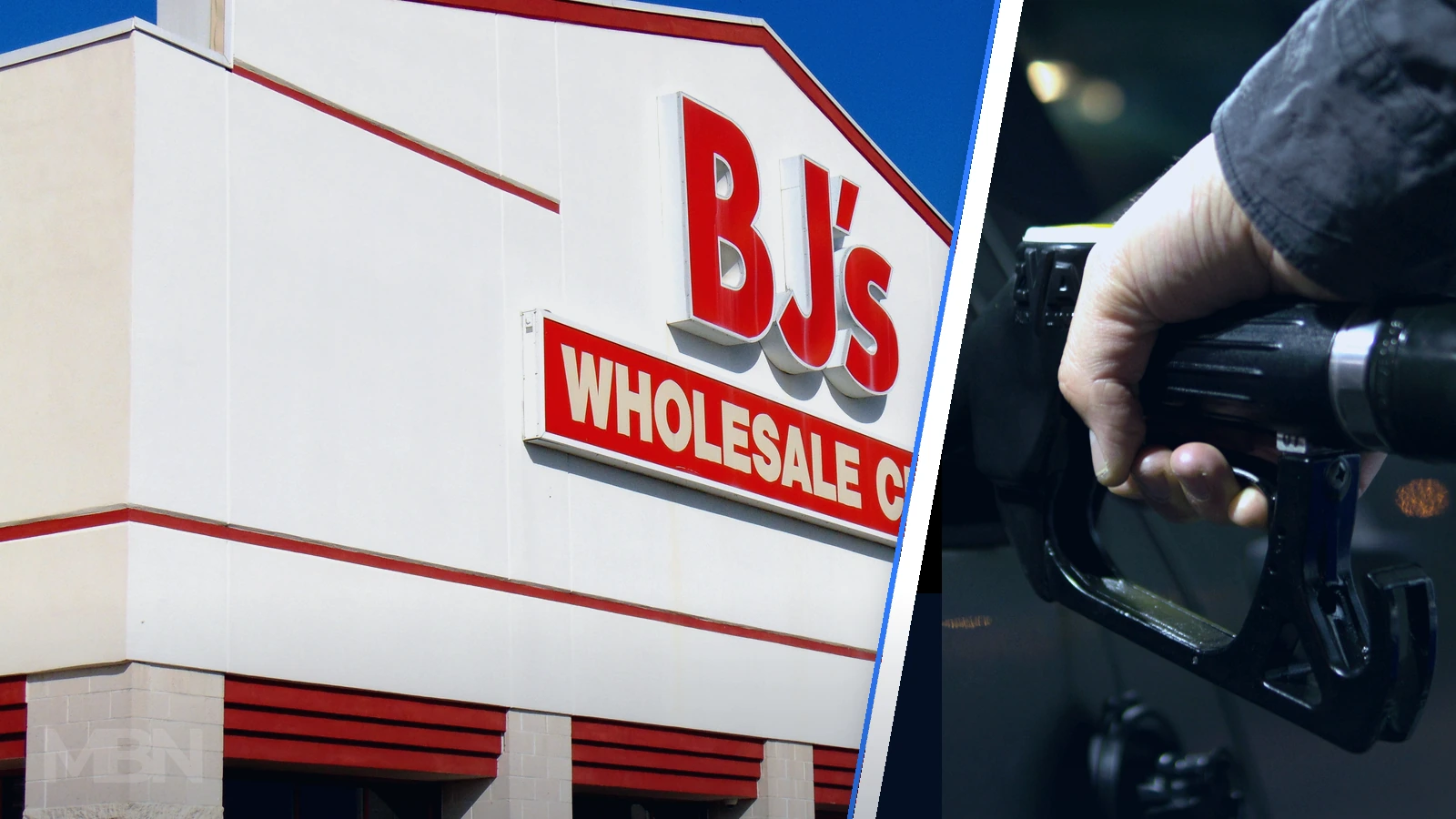
BJ’s Wholesale Club reported a 15.9% increase in second-quarter net sales and raised its full-year profit forecast, helped by gasoline sales and continued growth in its membership base.
Net sales reached $6.09 billion for the 13 weeks ended August 1, 2026, up from $5.26 billion a year earlier. Net income rose 15.4% to $173.9 million, while diluted earnings increased to $1.36 a share from $1.14.
The warehouse-club operator now expects adjusted earnings of $4.60 to $4.80 a share for the fiscal year ending January 30, 2027. It kept its forecast for comparable sales excluding gasoline at growth of 2% to 3%.
The figures were published in BJ’s second-quarter results and an accompanying filing with the US Securities and Exchange Commission.
Gasoline made the headline sales figure look stronger
Comparable club sales increased 11.9%. This measure tracks sales at established clubs and removes much of the effect of opening new locations.
Excluding gasoline, however, the increase was 3.1%. The gap shows that fuel had an unusually large effect on the headline comparison. It does not mean merchandise sales were weak, but the gasoline-adjusted figure gives a clearer view of demand inside the clubs.
BJ’s also reported a 20-basis-point decline in its merchandise gross margin rate, which excludes gasoline and membership fees. A basis point is one-hundredth of a percentage point, so the decline was 0.20 percentage points.
The company attributed the reduction mainly to investments in pricing, partly offset by benefits from tariff refunds. In practical terms, BJ’s accepted slightly less merchandise margin as it tried to remain competitive on price.
Operating income still increased 16.5% to $252.4 million. Selling, general and administrative expenses rose as new clubs and gas stations added labor, occupancy and operating costs.
Membership growth offers a steadier signal
Membership fee income increased 9.9% to $135.6 million, and BJ’s said its member count reached a record 8.5 million. The company attributed the fee growth to new members, retention and greater use of higher-tier memberships.
That revenue is important because members pay before making purchases. It provides a recurring income stream and indicates whether customers still see enough value in the club to renew.
BJ’s opened three clubs and one gas station during the quarter. It plans capital expenditure of about $800 million for the year, including new clubs and improvements to its distribution network. Capital expenditure is money spent on long-lived assets such as buildings, equipment and logistics facilities.
The company also bought back $124.1 million of its shares during the quarter. About $422.1 million remained available under the existing repurchase authorization at the end of the period.
The quarter therefore had two different demand signals. Fuel helped drive the large reported sales increase, while the smaller merchandise comparison showed the underlying retail business growing at a more moderate pace. Membership income and retention now provide the cleaner test of whether that customer momentum can continue after the gasoline effect changes.
