
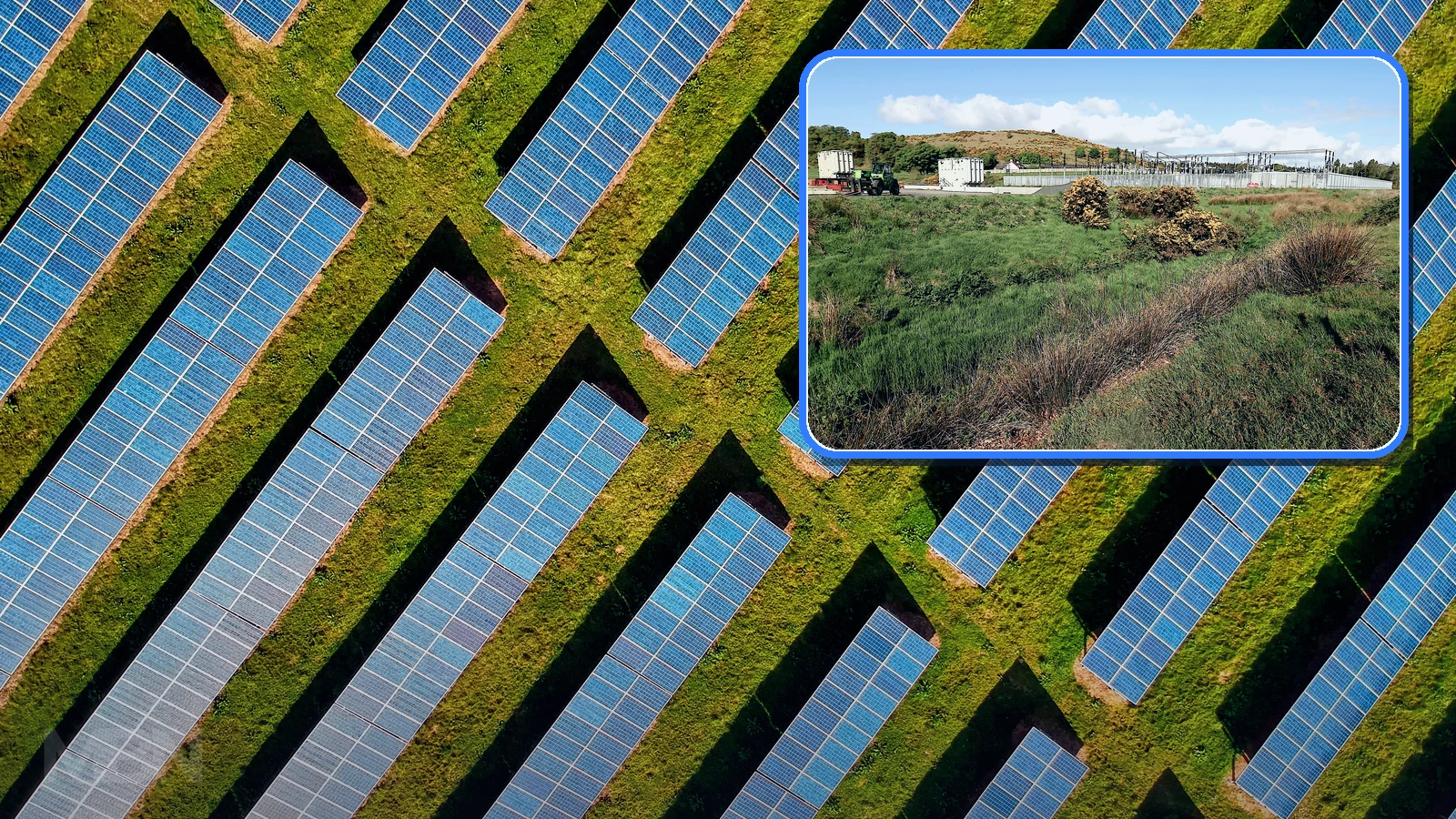
A proposed 400 megawatt solar farm with a large battery-storage system has received development consent in Lincolnshire, clearing a major planning hurdle without yet guaranteeing construction or a grid connection.
The Department for Energy Security and Net Zero granted the Development Consent Order for Beacon Fen Energy Park on 21 August 2026. The project is planned on land east of Sleaford and is being developed by renewable-energy company Low Carbon.
The Planning Inspectorate said the scheme would include photovoltaic panels with capacity of up to 400 MW, a battery energy storage system rated at up to 600 megavolt-amperes, an on-site substation and an electrical connection of up to 400 kilovolts.
A Development Consent Order, often shortened to DCO, is the planning approval used for nationally significant infrastructure in England and Wales. It gives a developer legal authority to build and operate the approved project, subject to its requirements. It is not the same as a final investment decision, the start of construction or an operating power plant.
The battery figure does not reveal storage duration
The 600 MVA figure describes the battery system’s maximum apparent-power rating. It does not state how much energy the batteries could store, which would normally be expressed in megawatt-hours.
Without that second figure, it is not possible to calculate whether Beacon Fen would be able to discharge at full output for one hour, two hours or longer.
Documents considered during the examination also indicate that the detailed battery design, technology and number of units had not been fixed. Those elements are expected to be settled after consent, within the limits and safety requirements of the order.
The project would connect through an underground cable to the National Grid substation at Bicker Fen. Lincolnshire County Council’s examination record noted that upgrades at the substation would be required before electricity could be exported. That makes grid readiness a separate delivery risk even after planning approval.
Local objections remain part of the project
The application was submitted in April 2025 and examined over six months. The Planning Inspectorate sent its recommendation to the government in May 2026 before the Secretary of State’s decision was issued.
Lincolnshire County Council opposed the proposal during the examination. Its concerns included the effect on the landscape, the use of agricultural land, the cumulative effect of other energy projects and unresolved detail around battery safety and future recycling.
The council said the solar arrays could cover up to 529 hectares, including 277 hectares classified as best and most versatile agricultural land. It estimated that around 20 hectares would be permanently lost to infrastructure, while most of the land would be occupied for the project’s operating life.
The government nevertheless approved the application. The formal decision documents set out the legal order and the Secretary of State’s reasons.
Low Carbon previously said construction could begin in 2027, but that remains the developer’s timetable rather than a result of the consent decision. The next test is whether the company can complete the detailed design, financing and grid work needed to turn the approved project into an operating energy park.
