
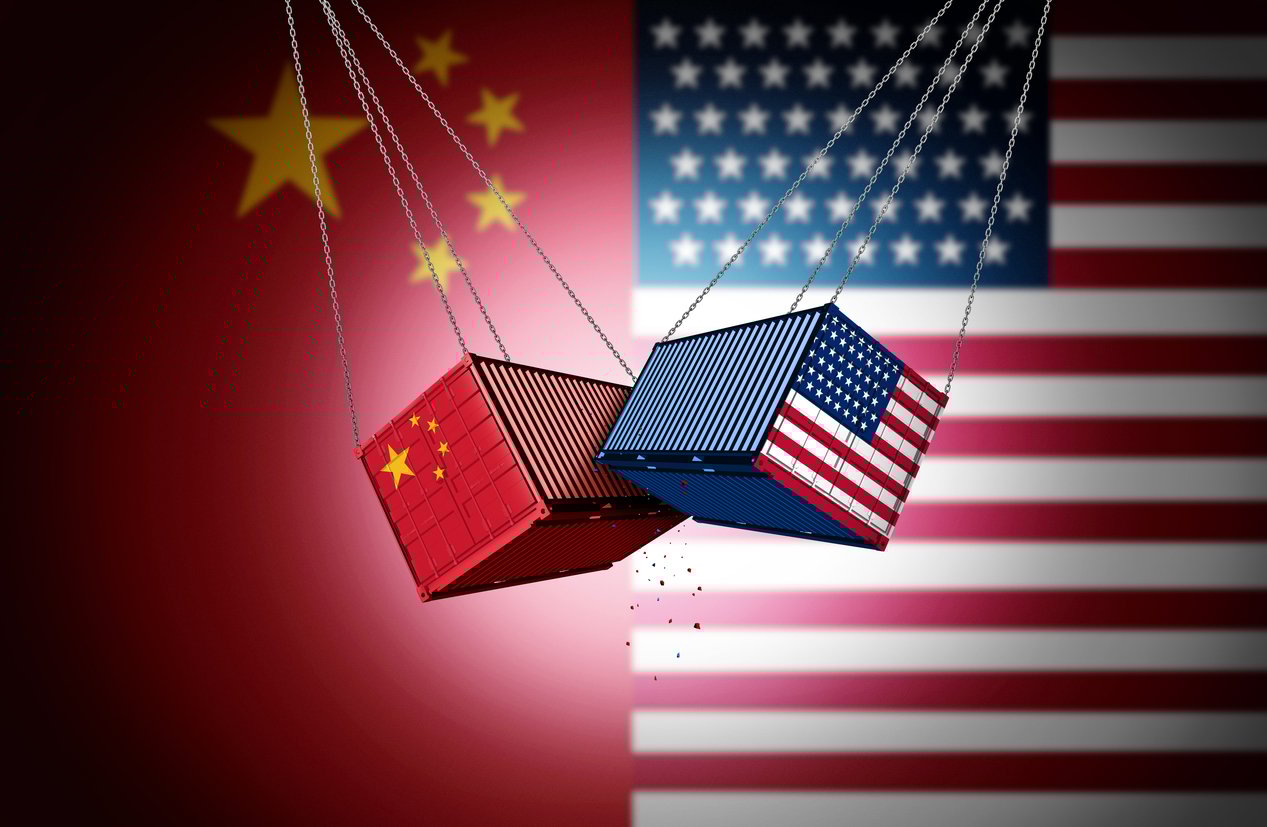
After a long weekend of marathon talks in Geneva, US Treasury Secretary Scott Bessent and US Trade Representative Jamieson Greer stood beside China’s vice-premier He Lifeng to unveil the first substantive easing of the 2025 US-China trade war.
- 90-day pause. All new tariff moves are frozen until mid-August.
- Scope. The deal applies across virtually the entire $600 billion flow of two-way trade that has been stalled since January’s tariff escalation.
- Progress. “I’m happy to report that we’ve made substantial progress between the United States and China in the very important trade talks,” Bessent told reporters in Geneva. “We both have an interest in balanced trade, the US will continue moving towards that,” Bessent said.
President Trump posted on social media: “GREAT PROGRESS MADE!”
Context: how we got here
- Tariffs topped 145%. Since returning to office in January, President Donald Trump layered new duties, lifting effective rates on most Chinese imports to 145%.
- Beijing’s retaliation. China pushed its own tariffs on US goods to 125% and, on 4 April, restricted exports of several rare-earth elements vital to US defence and tech firms.
- Economic toll. The tit-for-tat “knife-fight” froze an estimated $600 billion in bilateral commerce, snarled supply chains and fuelled stagflation fears.
How markets responded
Investors cheered the Geneva cease-fire:
- Futures spike. S&P 500 contracts leapt 2.8% and Nasdaq-100 futures 3.5% within minutes of the joint statement.
- Dollar up, yields up. The greenback gained against safe-haven currencies while 10-year Treasury yields rose seven basis points to 4.44%.
- Commodities steady. Oil ticked higher on broader risk appetite; rare-earth prices held firm pending clarity on Beijing’s export curbs, which remain in place.
What the deal does not cover
The statement omits any reference to:
- Chinese export controls on rare-earths, a key US demand. Those curbs still apply.
- Intellectual-property theft allegations and the US national-security bans affecting Huawei, TikTok and advanced semiconductors. No change was signalled in Geneva.
Why a 10% baseline still matters
Economists note that a 10% duty, though far lower than 145%, is still a tax on trade. With US core inflation stubbornly above 2%, any lingering tariff could keep price pressure alive and complicate the Federal Reserve’s path to rate cuts.
The clock is ticking
Negotiators have until about 10 August 2025 to turn the pause into a broader “phase-two” accord. Until then, markets and businesses can finally breathe a sigh of relief.
