
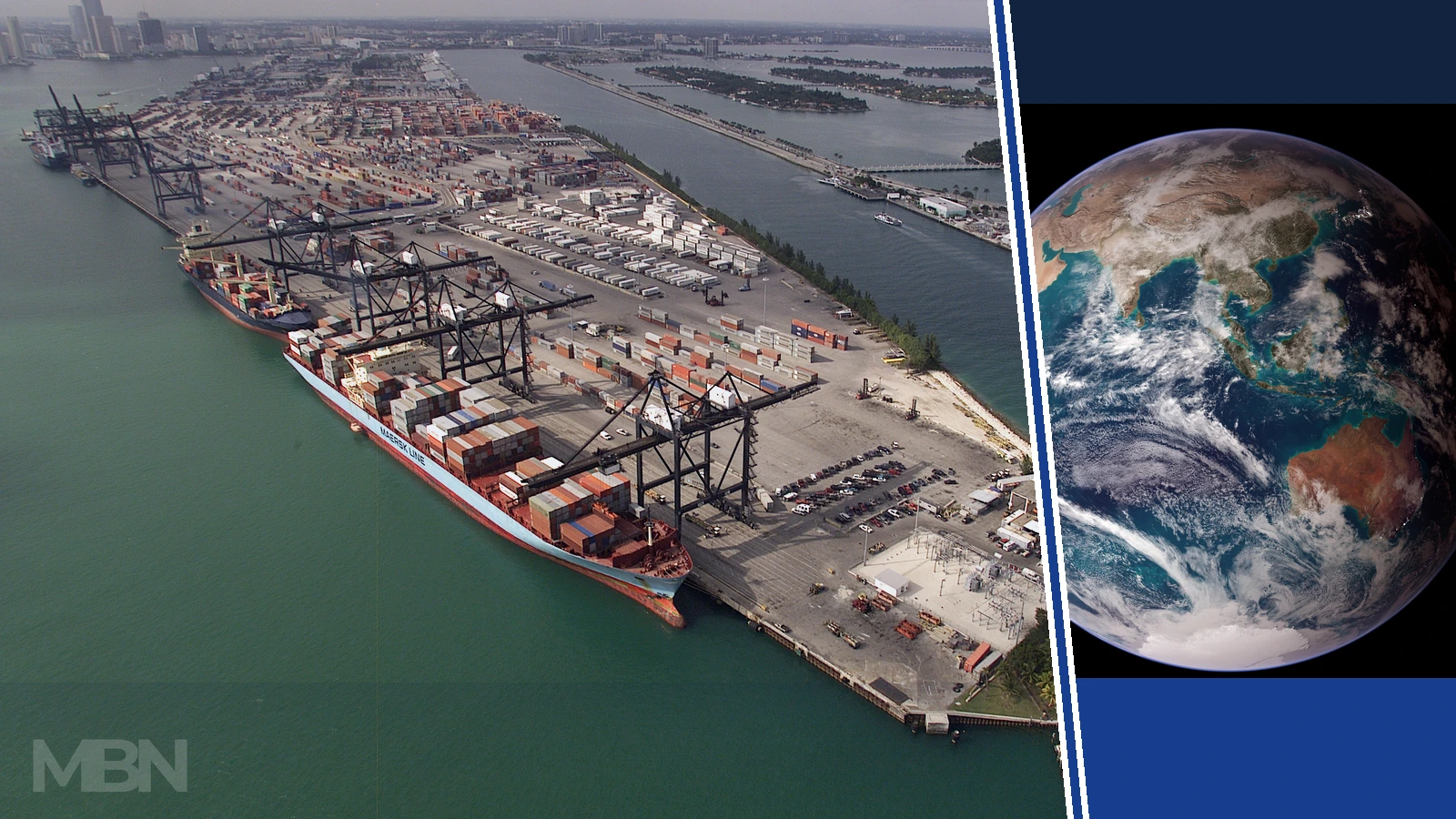
Trade across G20 economies accelerated in the second quarter of 2026, led by faster merchandise imports and stronger trade in services, according to figures released by the OECD.
Merchandise imports rose by 6.7% from the previous quarter when measured in current US dollars, up from growth of 5.2% in the first three months of the year. Merchandise exports increased by 5.9%.
Services trade also gained speed. Exports rose by 3.4%, compared with 2.0% in the first quarter, while imports increased by 2.5%, up from 1.5%.
The OECD figures, released on 28 August, are seasonally adjusted and expressed in current dollars. They therefore reflect price and exchange-rate movements as well as changes in the amount of goods and services traded.
UN Trade and Development estimated that prices for traded goods rose by about 5% in the second quarter, largely because of higher energy and selected commodity prices.
India and Korea led merchandise export growth
India recorded the strongest export increase among the large economies detailed by the OECD. Its merchandise exports rose by 20.4%, with broad gains across product groups, while imports increased by 8.7% as purchases of petroleum and electronic goods grew.
Korea’s exports climbed by 19.3%, supported by semiconductor sales. Its imports rose by 11.6% as the country bought more energy products and semiconductor equipment.
China continued to record growth, although at a slower rate than in the first quarter. Exports increased by 4.7% and imports by 8.9%, supported by mechanical, electrical and high-technology products.
In North America, US merchandise imports rose by 7.8%, partly because of higher purchases of computers and related equipment. Export growth slowed to 3.9% despite higher crude oil and petroleum export values.
Canada’s exports increased by 13.5%, helped by energy products and motor vehicles. Mexico recorded export growth of 12.2% and import growth of 7.7%.
European imports grew faster than exports
Higher energy purchases pushed merchandise import growth to 4.2% in both Germany and France and 4.1% in Italy. Export growth was weaker at 2.1%, 1.8% and 1.8%, respectively.
The pattern is consistent with recent MBN reporting on European Union trade, which showed imports from countries outside the bloc rising faster than exports in the second quarter.
The United Kingdom recorded a stronger rebound. Merchandise exports rose by 6.6% and imports by 5.7%, driven by machinery, transport equipment and fuels.
Services trade picked up
East Asia produced some of the largest increases in services trade. China’s services exports rose by 16.6%, supported by transport, travel and information and communication technology services. Imports increased by 7.5%.
Japan’s services exports grew by 7.8% after declining in the previous quarter, while imports fell by 2.0%. US services exports rose by a more modest 1.2%, with imports up by 1.5%.
The services figures are preliminary and cover at least 60% of G20 exports and imports. The OECD aggregate includes Russia but excludes African Union members other than South Africa. The next quarterly release is scheduled for 23 November.
