
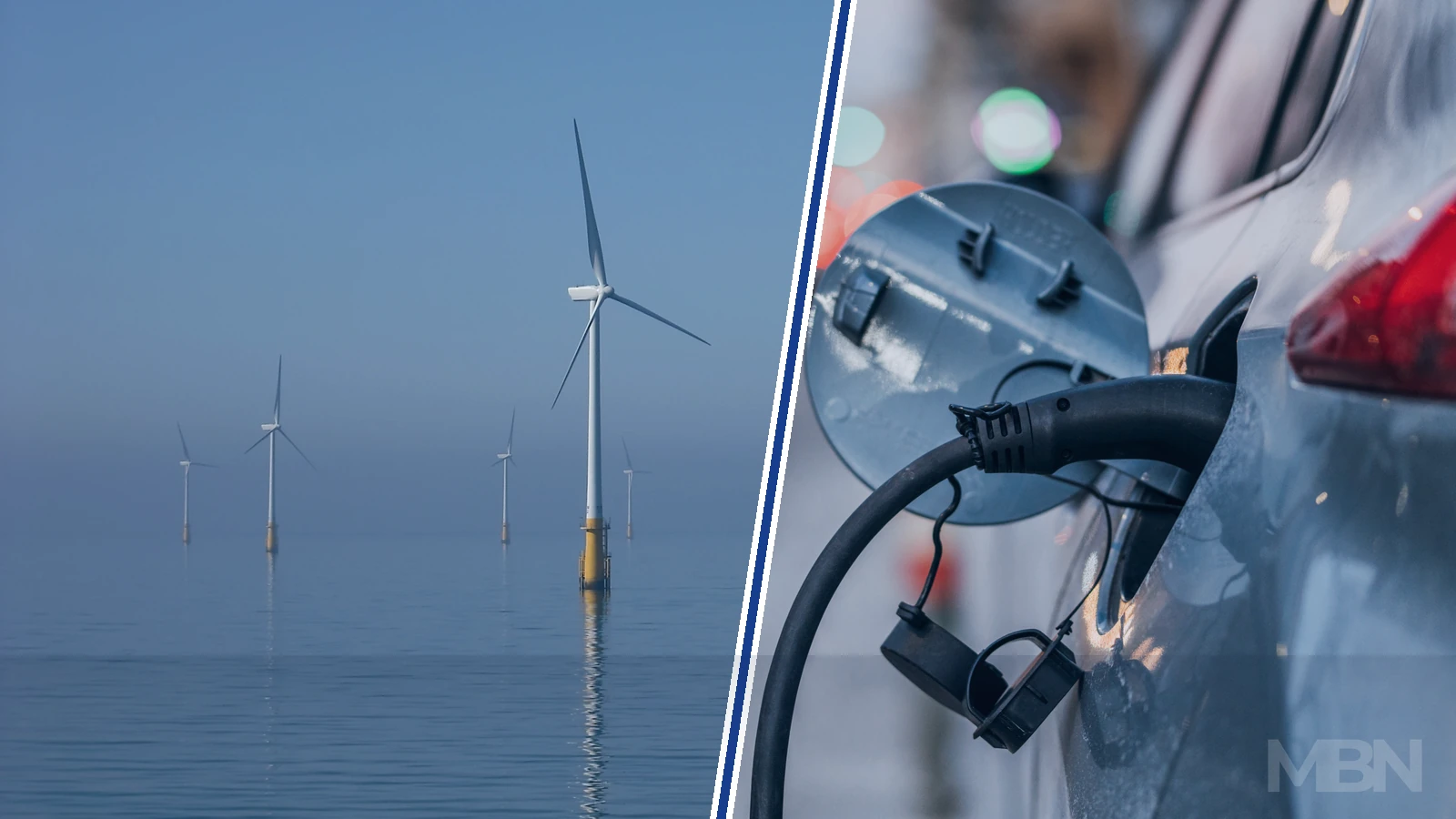
Giving households free electricity for short periods encouraged them to use more power when renewable generation was abundant, field experiments in Great Britain and Spain found. This could help grids use more wind and solar electricity that might otherwise go unused.
Free electricity increased hourly household consumption by 31% in Great Britain and 12.7% in Spain compared with customers who received no incentive. Paying people to consume after the price had fallen to zero produced very little extra demand.
The findings come from a National Bureau of Economic Research working paper issued in July 2026. Researchers tested different incentives among about 120,000 Octopus Energy customers, roughly 60,000 in each country, when wholesale electricity prices were expected to approach or fall below zero.
The idea may sound backward because households are normally encouraged to save electricity. During a temporary surplus, however, using more power at the right time can be better than reducing renewable generation because the grid cannot absorb it.
Why electricity prices can fall below zero
Wind and solar output depend on the weather, not on whether demand happens to be high. During especially windy or sunny periods, generation can exceed what consumers need or what transmission networks can carry.
Wholesale prices can then reach zero or become negative, meaning some generators are willing to pay for their electricity to be accepted. Elsewhere, network operators may curtail generation. Curtailment means reducing available output to keep the grid balanced or to prevent congestion on transmission lines.
Households normally see little of this volatility because most retail tariffs change far less frequently than wholesale prices. The study tested a different response: send the surplus signal to consumers and ask them to increase demand for a limited period.
The researchers and Octopus Energy ran five nationwide events in each country between June and September 2025. Customers received about 24 hours’ notice. Events lasted one hour in Great Britain and two hours in Spain.
British households mostly shifted when they used power
The headline increases describe consumption during the event windows. They do not necessarily represent the same kind of behavior in both countries.
In Great Britain, much of the increase during free-electricity events was offset by lower use in nearby hours. Households largely moved activities into the cheaper period rather than increasing total consumption. In Spain, the researchers found no comparable offset, suggesting that the events created net additional demand.
Shifting an electric vehicle charge, a washing cycle or another flexible task into a period of renewable abundance can reduce pressure at other times. Creating additional demand is useful only when the extra power genuinely comes from supply that would otherwise be curtailed.
In Great Britain, customers on electric-vehicle or rooftop-solar tariffs generally responded more strongly. Customers on time-of-use tariffs also showed larger responses in both countries. These households have more electricity use that can be moved quickly, or are already accustomed to changing their behavior when prices vary.
Zero may be the practical trigger
The results suggest that zero is an unusually effective retail price point. Cutting a normal rate in half increased demand, making electricity free roughly doubled that response, and moving into negative prices added little.
In Great Britain, free electricity increased consumption by 31%. Adding a payment of 5 pence per kilowatt-hour lifted the increase to 33.8%, while a 15 pence payment produced a 34% rise. In Spain, free electricity increased use by 12.7%, compared with 13.4% when customers also received 10 euro cents per kilowatt-hour.
This is not proof that every market should offer free electricity. It does suggest a practical design principle: a simple free-power event may capture most of the available household response without the extra cost and complexity of paying people to consume.
The Centre for Net Zero’s summary of the research also reports that an opt-in local trial in northern England was more cost-effective than a broad, automatic offer. Payments per induced kilowatt-hour fell from £1.22 in the national British trial to £0.77 when compensation was limited to customers who had actively joined the local program.
The study’s authors disclose that the Centre for Net Zero and the participating Octopus Energy businesses are part of Octopus Energy Group. Two authors were Octopus employees, another worked for the group during the trial, and one was a consultant to the research center. The experiments were preregistered, but the paper remains a working paper and has not completed journal peer review.
Flexible demand could become more valuable
Renewable development is increasing the need for ways to match consumption with variable supply. New projects such as the consented 400 MW Beacon Fen solar farm in Lincolnshire will add clean generating capacity, but storage, transmission and flexible demand determine how much of that output can be used when it is available.
Free-power events cannot replace batteries or grid investment. They can, however, give households a reason to charge vehicles, heat water or run appliances when electricity is plentiful rather than when the system is under greater strain.
The trials were short, involved one energy company’s customers and covered two national markets. They do not show how people would respond to frequent events over many years, or whether the same pattern would hold under different tariffs and regulations.
Even with those limits, the central finding is useful. Consumers responded strongly when the retail price reached zero, while larger incentives bought very little extra demand. For grid operators trying to use more renewable electricity without wasting it, the simplest signal may also be the most economical.
