
Google’s parent company Alphabet Inc has spun off its self-driving car project into a new company called Waymo.
Waymo says its mission is “to make it safe and easy for people and things to move around.”
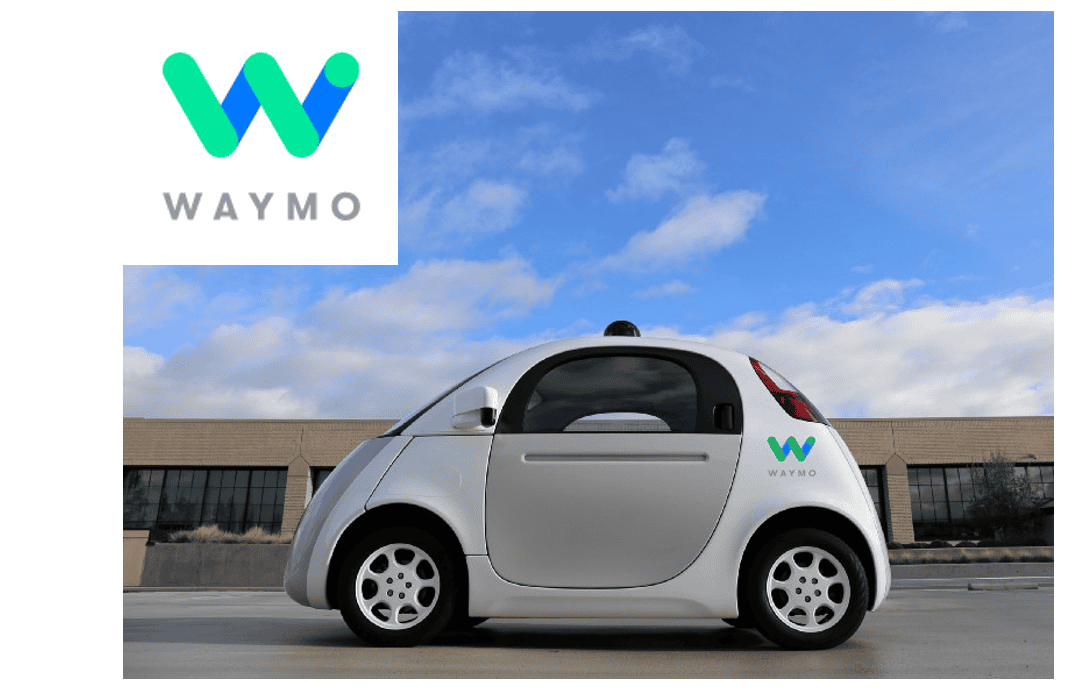
Waymo is “determined to improve transportation for people around the world” by building on self-driving technology developed over eight years in Google’s labs.
“We’re now an independent company within the Alphabet umbrella,” Waymo CEO John Krafcik told an audience at a press event in San Francisco.
“It’s an indication of the maturity of our technology,” John Krafcik said. “We can imagine our self-driving tech being used in all sorts of areas.”
Krafcik said in an official Waymo blog post:
“Waymo stands for a new way forward in mobility. We’re a self-driving technology company with a mission to make it safe and easy for people and things to move around.
“We believe that this technology can begin to reshape some of the ten trillion miles that motor vehicles travel around the world every year, with safer, more efficient and more accessible forms of transport. We can see our technology being useful in personal vehicles, ridesharing, logistics, or solving last mile problems for public transport. In the long term, self-driving technology could be useful in ways the world has yet to imagine, creating many new types of products, jobs, and services.”
At the press event Waymo revealed footagee of a legally blind who was able to make a full trip through the suburbs of Austin using a prototype self-driving car. It was the first time Steve was alone in a car in 12 years and the first time any car has completed a trip from start to finish on public roads without a test driver on board.
Taken in October 2015, but not unveiled to the public until now, Steve’s experience demonstrated how Google’s autonomous cars are capable of giving a passenger a ride without the need of another human on hand to take control of the self-driving car in the event of something going wrong.
“Steve Mahan rode alone in one of our prototype vehicles, cruising through Austin’s suburbs,” said John Krafcik. “Steve is legally blind, so our sensors and software were his chauffeur.”
“We’ve talked a lot about the two million miles we’ve driven on public roads.
“Now we’ve driven another million miles on public roads.
“We don’t talk as much about miles we put on in simulation. We’ve done over one billion miles in simuliatio[…] And we have taken over 10,000 trips with Googlers and guests in places like Mountain View, Austin and Phoenix.”
The autonomous vehicles that Google labs created are capable of recognising other drivers, cyclists, and pedestrians. And, because of the millions of miles of real-world and simulated driving, its cars can anticipate how others may behave.
What’s different now that the project is Waymo?
Waymo says that as a standalone business its goal is “to commercialize this technology and build products that can help millions of people.”
“As Waymo, one of our next steps will be to let people use fully self-driving cars to do everyday things like run errands or commute to work,” the company said.
Adding: “Over the long term we believe self-driving cars will be useful in ways the world has yet to imagine. Waymo will explore many different opportunities for self-driving technology.”
The company believes that autonomous technology has “enormous commercial potential” and will “enable us to rethink some of the ten trillion miles that motor vehicles travel around the world every year.”

Comments are closed.