
HSBC logo

HSBC shareholders vote in favour of new executive pay policy

Written by Joseph Nordqvist

Published: 02:58, April 23, 2016

HSBC shareholders voted to approve a new pay policy for executive directors on Friday, cutting the maximum amount they can earn by 7%.

The decision by HSBC follows uproar by investors at BP and Anglo American over remuneration policies.

Earlier this week, Pensions and Investment Research Consultants (Pirc) said that the maximum potential awards for executives at HSBC for 2015 were “excessive”.

For 2015 an overwhelming 90.49 per cent of HSBC shareholders voted in favour of chief executive Stuart Gulliver’s £7.3 million pay package and chairman Douglas Flint’s pay package worth £2.49 million.
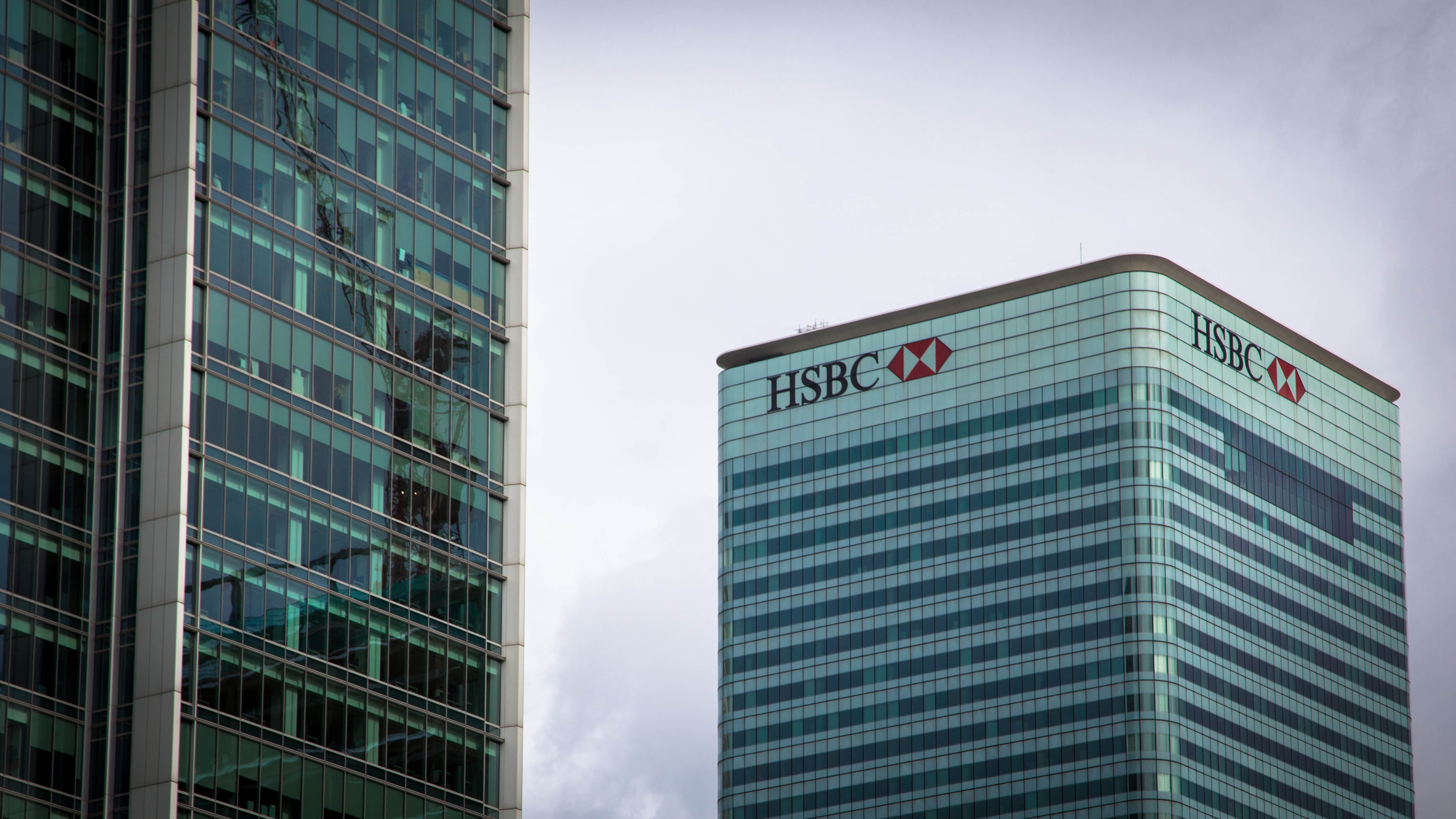
HSBC headquarters, London, 8 Canada Square

The bank reduced the amount of cash given to executive directors in lieu of a pension from 50 per cent to 30 per cent of their base salary.

The new policy was approved by 96 percent of shareholders who voted.

“We had expected that the Remuneration Policy you approved back in 2014 would not need to be refreshed until it expired next year,” Chairman Douglas Flint told shareholders before the vote.

“However, regulatory changes as well as responding to shareholder feedback have caused us to make some revisions to this,” he said.


Flint added that a Brexit would cause economic uncertainty and have a negative impact on the bank.

He said: “From our own narrow perspective, a decision to leave could require a restructuring of some of HSBC’s wholesale operations based in the UK.

“This would clearly depend upon the terms on which the UK would have access prospectively to European markets should the UK vote to leave.”

Joseph Nordqvist Avatar

Other News

Japan’s household financial assets hit a record ¥2,519 trillion. What that measures

Sep 17, 2026

Canada welcomes EU associate-member proposal, but terms are undefined

Sep 17, 2026

Softcat agrees $1.05B GDT acquisition to expand US data-centre services

Sep 17, 2026

Bank Rate held at 3.75% in the UK as energy prices sharpen inflation risk

Sep 17, 2026

East African Community trade reaches $52.3bn as exports drive surplus

Sep 16, 2026

Canada says its investment summit mobilised nearly C$500bn. What does that actually mean?

Sep 16, 2026

May Mobility agrees $1.4B SPAC deal, bets on asset-light robotaxi model

Sep 16, 2026

Fed raises rates to 3.75% to 4.00% as inflation remains elevated

Sep 16, 2026

IBM-backed Anderon finalizes up to $1B US quantum foundry award

Sep 16, 2026

WTO puts the cost of trade fragmentation at up to 10% of global GDP

Sep 15, 2026

Salesforce launches Koa, a CRM reasoning model built on Nvidia’s Nemotron

Sep 15, 2026

Could humanoid AI companions ever replace human partners?

Sep 15, 2026

IEA forecasts record global coal demand after gas prices climb

Sep 15, 2026

UK government to pursue public acquisition of Speciality Steel UK

Sep 15, 2026

IMF says global current-account gaps widened in 2025, led by China and the United States

Sep 14, 2026

Alan Lovell takes over as British Steel chair as government pursues turnaround

Sep 14, 2026

Plumbing or college: weighing pay, training and AI exposure

Sep 13, 2026

Why more advanced VR equipment does not always feel more real

Sep 13, 2026

VR pilot training shows promise before a student’s first real flight

Sep 13, 2026

Family businesses face a gap between succession plans and readiness

Sep 13, 2026