
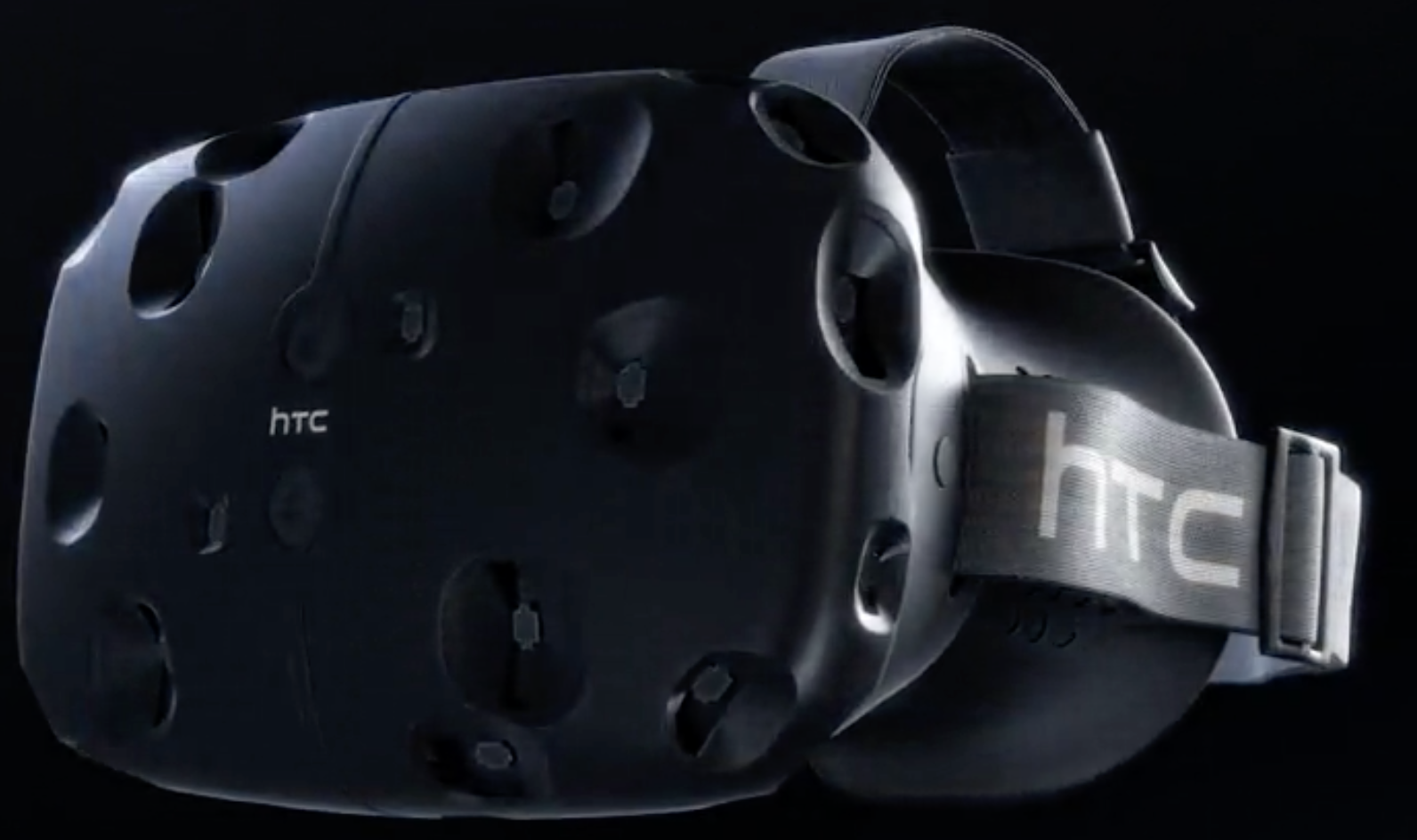
HTC_Vive_VR_Headset

HTC rolling out virtual reality (VR) ad service

Written by Joseph Nordqvist

Published: 00:36, April 1, 2017

HTC is rolling out its own virtual reality (VR) ad service.

The new VR advertising service will be available for developers on the Viveport marketplace – HTC’s app store for virtual reality.

Virtual reality is software that creates a simulation that users can enter. Users feel as if they are in this other, alternative or virtual world.

The ad service allows Viewport developers to include video ads, app recommendation banners, 2D and 3D in-app placements, and simulated “big screen video” ads into their virtual experiences.

HTC_Vive_VR_Headset
Advertisers will now be able to tap into HTC Vive VR experiences to promote their products.

According to HTC, the service intends to “maximize your ad revenue while maintaining a great user experience.”

For the moment, ads will only be an option to implement on free-to-play VR experiences, however, that could easily change in the future.

“Ads that appear in immersive VR environments can not only provide more effective impressions, they can also track whether the users have viewed them or have turned away their gaze. Accordingly, the multiplied effect of effective impressions and verified viewings will bring you higher advertising revenue!” HTC said.

The company states that the platform will be able to detect if the ads are being viewed effectively by consumers.

“Compared to ordinary ad impressions, ads that are seen by users in a immersive VR environment can not only meet the user’s needs by means of precise re-targeting, but can also be detected if they are viewed effectively by users,” HTC states.

“Therefore, promotion of your applications would have much more effective impression, which not only arouses the attention of potential users and enhance brand image, but further attracts interested users directly to download your apps in the VR environment!”

Ultimately, it was only a matter of time for ads to make their way into the VR platform.

And whilst some consumers may not be welcoming the news (for obvious and understandable reasons), monetization is a key driving force behind the development of content in entertainment and media.

Joseph Nordqvist Avatar

Other News

A bank tested AI customer twins for marketing, with mixed lessons for businesses

Nov 15, 2026

What makes a product vintage, and why the distinction matters to retailers

Nov 15, 2026

EU business social media use rises, but a gap remains by company size

Nov 15, 2026

Why startups may benefit from testing locally before expanding abroad

Nov 14, 2026

Novel product ideas can be harder to try but more rewarding afterward

Nov 14, 2026

What is in an online cart can influence whether shoppers check out

Nov 14, 2026

Subscription plans can miss customers who would save money, Lyft research finds

Nov 14, 2026

Workers with worse shifts than their colleagues were more likely to leave, restaurant study finds

Nov 14, 2026

More product options do not always reach more customers, cosmetics study finds

Nov 14, 2026

EU household spending grew in 2025 as communication purchases led gains

Nov 13, 2026

Ad experiments can help predict which campaigns drive additional sales

Nov 13, 2026

Browser choice screens lifted Firefox usage in Europe, researchers find

Nov 13, 2026

Online product rankings can cut shipping costs without reducing sales, experiment finds

Nov 13, 2026

Large companies lead EU service exports, but smaller firms dominate in some markets

Nov 13, 2026

Cart reminder timing is linked to different shopper responses

Nov 12, 2026

AI labels changed how consumers judged food images in three experiments

Nov 12, 2026

Shared AI tools were linked to higher sales for small online sellers

Nov 12, 2026

An image ad people like may not be the one they remember

Nov 12, 2026

Upfront rental prices changed competition as nightly rates rose in a study

Nov 12, 2026

Showing payment options earlier can influence online purchase decisions

Nov 11, 2026