
This article provides information on the largest empires in history. Empires are considered to be the extension of state sovereignty over a range of different territories.
Although there is no exact definition of what empire is, the term is typically applied to entities that are considered to be very large in their respective time.
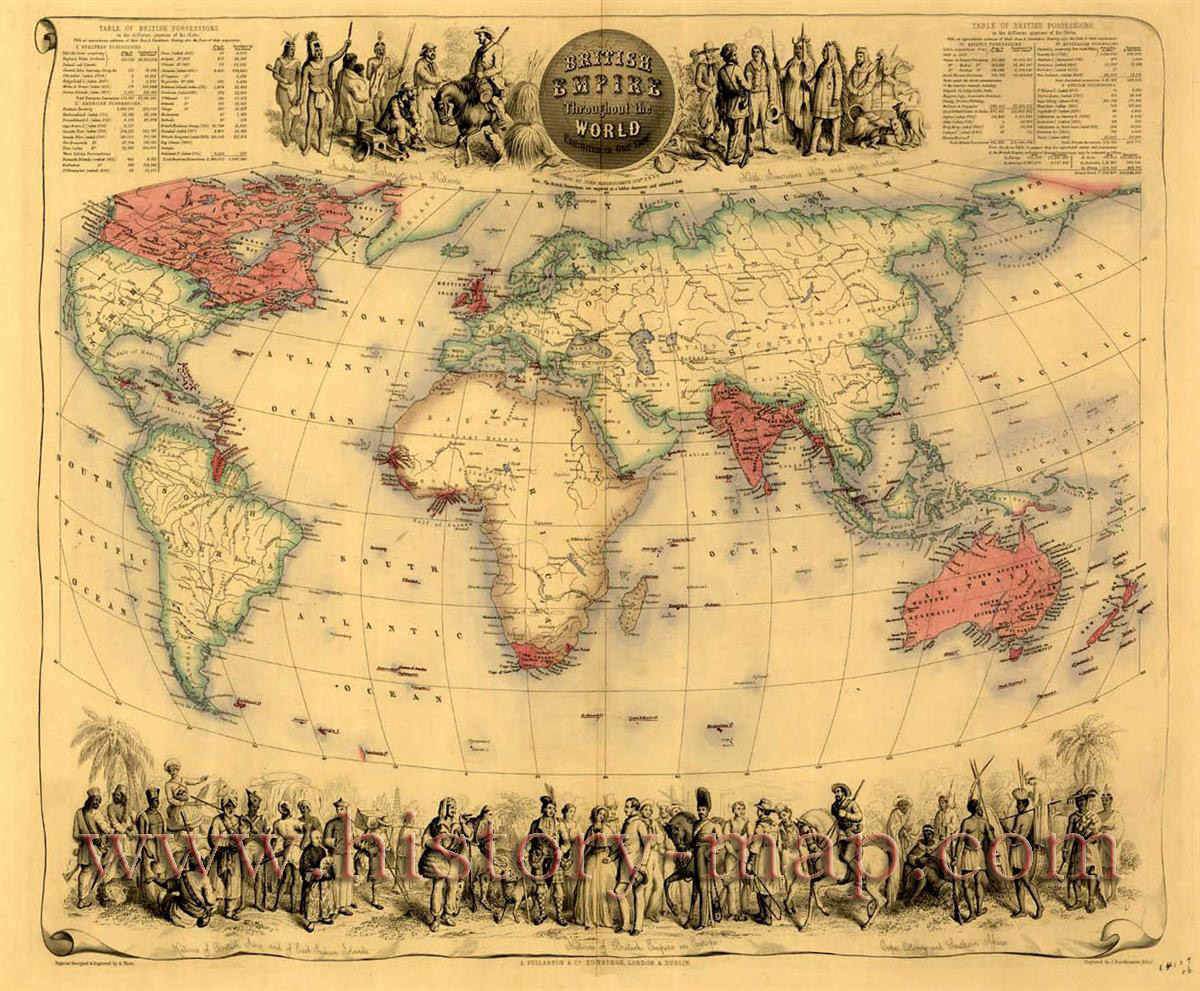
For example, The British Empire was known to be “the Empire on which the sun never sets”. This is because the Empire covered a huge area of land across the world.
When ranking the size of an Empire there are many different factors to consider therefore there is no real concluding consensus as to which empire has had the most influence in history.
This list aims to rank empires as accurate as possible based on land and population.
The largest empires in history are: The British Empire, The Mongolian Empire, The Russian Empire, The Spanish Empire, Umayyad Caliphate, The Qing Dynasty, The Yuan Dynasty, The French Colonial Empire, Abbasid Caliphate, and The Portugese Empire.
Below is a comprehensive list and brief description of the largest empires, according to land area, era, and total population:
- The British Empire – this empire, which was at its peak in 1922, is estimated to have had a max land area of approximately 33.2 million km², covering 22.43% of the world’s total land area. The total population of the Empire at the time in 1938 was reported to be 458 million.
- The Mongolian Empire – this empire, which was at its peak in 1279, is estimated to have had a max land area approximately 33 million km², covering 22.29% of world land area. Maximum population of the Empire was 110 million in the 13th century, representing approximately 25% of the world population at the time.
- The Russian Empire – this empire was at its peak in 1866, at the time it had a max land area of 22.8 million km². The population of the Empire was approximately 176 million in 1913, this represented around 9.8% of the world population of time.
- The Spanish Empire – this empire, which reached it’s peak in 1740, is estimated to have had max land area of 19.4 million km² (around 13.04% of world land area). It had a max population of 68.2 million people which represented approximately 12.3% of the world’s population at the time.
- Umayyad Caliphate – this empire, which reached its peak in 661-750, had a total max land area of approximately 15 million km². It had a max population of 62 million people in the 7th century which represented approximately 20% of the world’s population at the time.
- The Qing Dynasty – this empire, which reached it’s peak in 1759, had a total max land area of 14.7 million km². It’s max population was 432 million in 1851, which represented approximately 36% of the world’s population at the time.
- Yuan Dynasty – this empire which reached it’s peak in 1310 had a total max area of 14 million km². Its max population was 59.8 million in 1291 which were presented approximately 17% of the world population at the time.
- Second French colonial empire – this empire, which reached it’s peak in 1938 had a total max land area off 13 million km². In 1938 the empire had a population of 112.9 million, which represented approximately 5.1% of the world population at the time.
- Abbasid Caliphate – this empire, which reached its peaked in 750-1250, had a total max land area of 11.1 million km². It had a population of 44 million people in 850, which represented approximately 20% of the world population at the time.
- The Portugese Empire – this empire, which reached it’s peak in 1815, had a total max land area of 10.4 million km².
