
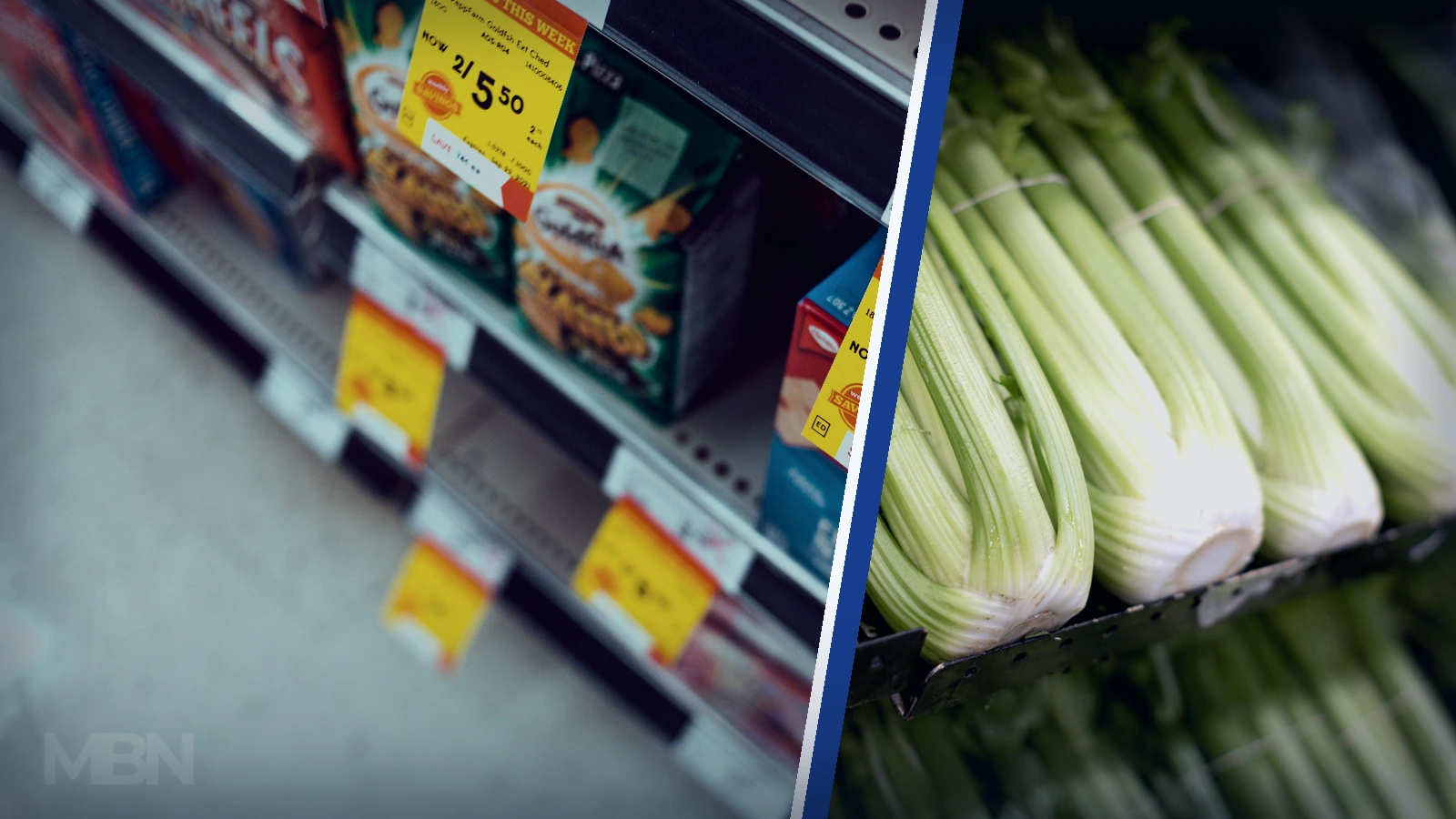
Neighbourhoods in large US metropolitan areas with more nearby dollar stores had higher estimated rates of obesity, diabetes, high blood pressure, high cholesterol, asthma and poor mental health, according to a new study. Greater access to traditional grocery stores was associated with lower rates. The research identifies a consistent community-level pattern, but it does not show that dollar stores caused illness or that individual shoppers became unwell because of what they bought.
A low-cost shop can help a household make a limited food budget last longer, especially when it is nearby and open at convenient times. It can also offer a narrower range of fresh and nutrient-dense foods than a full-service supermarket.
The new evidence suggests that public-health researchers and local planners should pay attention to both parts of that reality. The question is not simply whether a community has a food shop. It is what that shop sells, what residents can afford and which option they will actually use.
What the researchers measured
The study in BMC Public Health was published online ahead of print on 18 June 2026. Ryan Bruellman of the University of California, Riverside, led the work with Jessica Finlay, Ilana J. Bennett and Chandra A. Reynolds.
The team mapped 30,920 traditional grocery locations and 34,021 dollar-store locations across the contiguous United States using store data from 2016 to 2020. It then counted how many of each type could be reached within a 10-minute drive from residential census tracts. A census tract is a small geographic area used by the US Census Bureau for statistical analysis.
The researchers compared those access measures with local estimates from the Centers for Disease Control and Prevention’s 500 Cities Project. The analysis covered 19,607 census tracts in more than 50 large metropolitan areas, representing more than 76 million people. The health estimates related to 2016 and 2017.
The six outcomes were obesity, diabetes, high blood pressure, high cholesterol, asthma and poor mental health. In this dataset, poor mental health refers to recent mental distress, including stress, depression and emotional problems.
The models also included the 2016 Social Vulnerability Index. The CDC describes this as a place-based measure that combines socioeconomic and demographic information. In the version used by the researchers, relevant factors included poverty, income, unemployment and access to a vehicle. Including the index helped the team compare communities with some of their economic differences taken into account, although it could not capture every source of disadvantage.
The strongest associations involved cardiometabolic health
In the national models, greater dollar-store access was associated with higher estimated rates of all six adverse outcomes. Greater traditional grocery access was associated with lower rates. The associations were strongest for cardiometabolic conditions, a group that includes obesity, diabetes and diseases affecting the heart and blood vessels.
Dollar stores also formed a substantial part of the local grocery landscape. In the typical census tract, they accounted for more than one third of the grocery sources reachable within the study’s 10-minute driving measure. The proportion exceeded 40% in the Midwest, South and South Atlantic regions, but was below 25% in the Pacific region.
The pattern was not identical everywhere. Regional results varied, and the study’s city maps showed neighbourhoods where store concentrations and poor-health estimates did not neatly overlap. The authors therefore caution against applying one national solution to every city.
Why the study cannot establish cause
The analysis compared places, not individual customers. It did not record where residents shopped, what they bought, how often they visited or whether their diets changed after a store opened. This creates what researchers call an ecological inference problem: a relationship observed for a neighbourhood may not describe the people living within it.
Store location is also part of a wider economic system. A concentration of dollar stores may influence the local food environment, but it may also mark long-running disinvestment, weak demand for a full-service supermarket, low household incomes, limited transport or other conditions that affect health. The statistical adjustment for social vulnerability reduces some obvious differences. It does not remove every possible alternative explanation.
The study made a broad classification as well. It labelled all dollar stores as lower-quality grocery sources and all traditional grocers as standard-quality sources, based on the typical availability of fresh produce, whole grains and lean proteins. The authors acknowledge that stores within both groups differ. Some dollar stores carry fresh food, while a conventional supermarket can still devote considerable space to highly processed products.
A separate 2025 household scanner study helps show why the distinction is important. It found that food bought at dollar stores was generally less healthy than food bought through other retail channels. Yet households appeared able to offset some of that difference through purchases elsewhere, so their total baskets were more similar than the dollar-store purchases alone would suggest.
Together, the studies support concern about the food on offer without justifying the claim that every dollar-store shopper has a poor diet.
The useful insight is about retail mix, not distance alone
The new study included dollar-store access and traditional grocery access in the same models. The association with poorer health remained after the availability of traditional grocers was considered. That makes this more than a simple story about a supermarket being too far away.
The practical inference is that adding another supermarket may improve choice but may not be enough to change what people eat. Price, opening hours, product sizes, transport and habit determine whether physical access becomes practical access.
Earlier evidence points in the same direction, although it should not be overgeneralised. A 2014 pilot study in one Philadelphia community found that a new neighbourhood grocery store improved residents’ perceptions of food access but did not change reported fruit and vegetable intake or body mass index. The result did not prove that new supermarkets are ineffective everywhere. It showed that a building alone does not guarantee a change in buying or eating.
For policymakers, the more durable approach may be to improve the affordable and convenient channels people already use. That can include better fresh-food distribution, refrigeration, reliable stock, smaller affordable portions and the ability to use nutrition benefits. It may also include farmers’ markets or food banks placed where they complement existing shopping patterns rather than requiring a separate journey.
Improving the store may be more realistic than removing it
The authors do not propose eliminating dollar stores. They argue that the stores are too widely used, particularly in disadvantaged communities, to be treated only as a problem outside the food system.
Bruellman put the preferred direction simply in a UC Riverside account of the research: “Ideally you’d have the healthier options available inside the dollar store.” The paper suggests that local policies and partnerships with farmers could help expand fresh and nutrient-dense choices, but it did not test those interventions.
There are further limits to keep in view. The research covered major metropolitan areas, not rural communities where dollar stores can be especially important. A 10-minute drive does not describe walking or public transport in a dense city. Independent grocers and bodegas were missing. The store data spanned 2016 to 2020, while the health estimates were from 2016 and 2017, so the study is not a snapshot of conditions in 2026. The journal also identifies the current paper as an accepted manuscript, meaning final copy-editing and production are still to come.
The paper is therefore a reason for closer investigation, not a verdict on one retailer or one shopper. Its strongest contribution is to widen the definition of food access. A nearby shelf counts only if the food on it is affordable, usable and capable of supporting a healthier diet.
