
UK inflation rose to 2.9% in July as higher gas and electricity prices increased household costs, ending three months of falling annual rates and keeping inflation above the Bank of England’s 2% target.
The Consumer Prices Index increased from 2.6% in June, according to the Office for National Statistics. Prices rose by 0.3% during July, compared with an increase of 0.1% in July 2025.
CPIH, which includes the housing costs faced by owner-occupiers and is the ONS’s broadest inflation measure, rose from 2.8% to 3.1%. Both annual measures increased for the first time since March.
Energy prices caused most of the increase
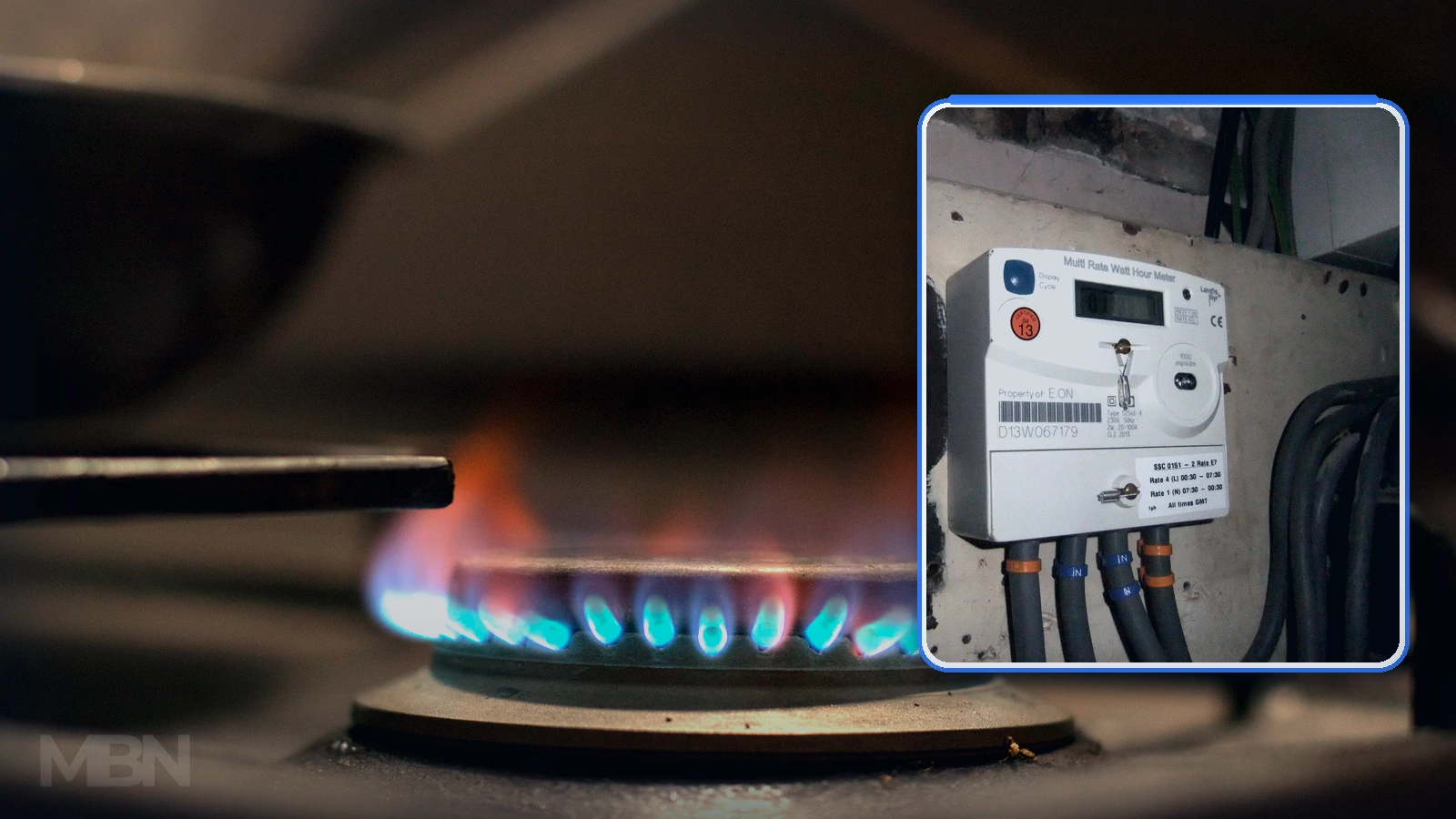
Housing and household services made the largest upward contribution. Gas prices rose by 14.7% during July, compared with a 7.2% fall in the same month last year. Electricity prices increased by 3.6%, after falling by 3.8% in July 2025.
The increase followed a higher Ofgem energy price cap from 1 July. The regulator said prices for a typical household on a default tariff would rise by 13% during the July to September period.
The energy price cap does not limit a household’s total bill. It restricts the unit rates and daily standing charges that suppliers can apply to default tariffs. A household that uses more energy will still pay more.
Furniture and household goods also pushed inflation higher because July discounts were smaller than they had been a year earlier. Clothing prices fell during the month, but again by less than in July 2025.
Transport provided the largest downward contribution. Diesel prices fell by 8.8 pence per litre during July and petrol prices dropped by 3.1 pence. European air fares also fell, while long-haul fares increased sharply.
Food and non-alcoholic drink inflation eased from 1.7% to 1.3%, its lowest rate since September 2021.
Underlying inflation did not accelerate in the same way
The figures beneath the headline rate were less uniform. Core CPI, which excludes energy, food, alcohol and tobacco, remained at 2.6%. Services inflation slowed from 3.6% to 3.4%, while goods inflation rose from 1.7% to 2.2%.
Services inflation receives close attention from the Bank of England because it is influenced by domestic wages and business costs. Its decline suggests that July’s increase was led more by energy and goods than by a broad acceleration in domestically generated price pressure.
Factory data pointed in a similar direction. The ONS said producer input inflation, covering materials and fuels purchased by manufacturers, slowed from a revised 7.4% in June to 4.9% in July. Factory-gate inflation eased from 3.5% to 3.1%.
That does not make the household increase harmless. Higher utility bills reduce the money available for other spending, while businesses may pass part of their energy costs to customers later.
Growth has returned, but the Bank still faces an inflation risk
The inflation increase follows data showing that the UK economy grew by 0.4% in the second quarter, helped by services and stronger business investment. The combination is mixed for households and policymakers: output continued to expand, but the cost-of-living pressure from energy returned in July.
The Bank of England held Bank Rate at 3.75% at its July meeting by six votes to three. The three dissenting members wanted an increase to 4%.
The Bank expects CPI inflation to average 3.2% in the fourth quarter as higher energy prices continue to move through the economy. It has said there is little evidence so far of strong second-round effects, meaning a wider cycle in which higher energy costs affect wages and prices across other sectors.
