
NAPCO Security Technologies reported record fiscal fourth-quarter revenue of $55.8 million, up 10% from a year earlier, as both security-equipment sales and high-margin recurring services grew.
Net income for the three months ended June 30 rose 52.7% to $17.8 million, or $0.50 per diluted share, from $11.6 million, or $0.33 per share, in the same quarter last year.
The results exceeded the expectations reported by analysts surveyed by FactSet. They had forecast quarterly revenue of $52.5 million and adjusted earnings of $0.38 per share, according to MT Newswires.
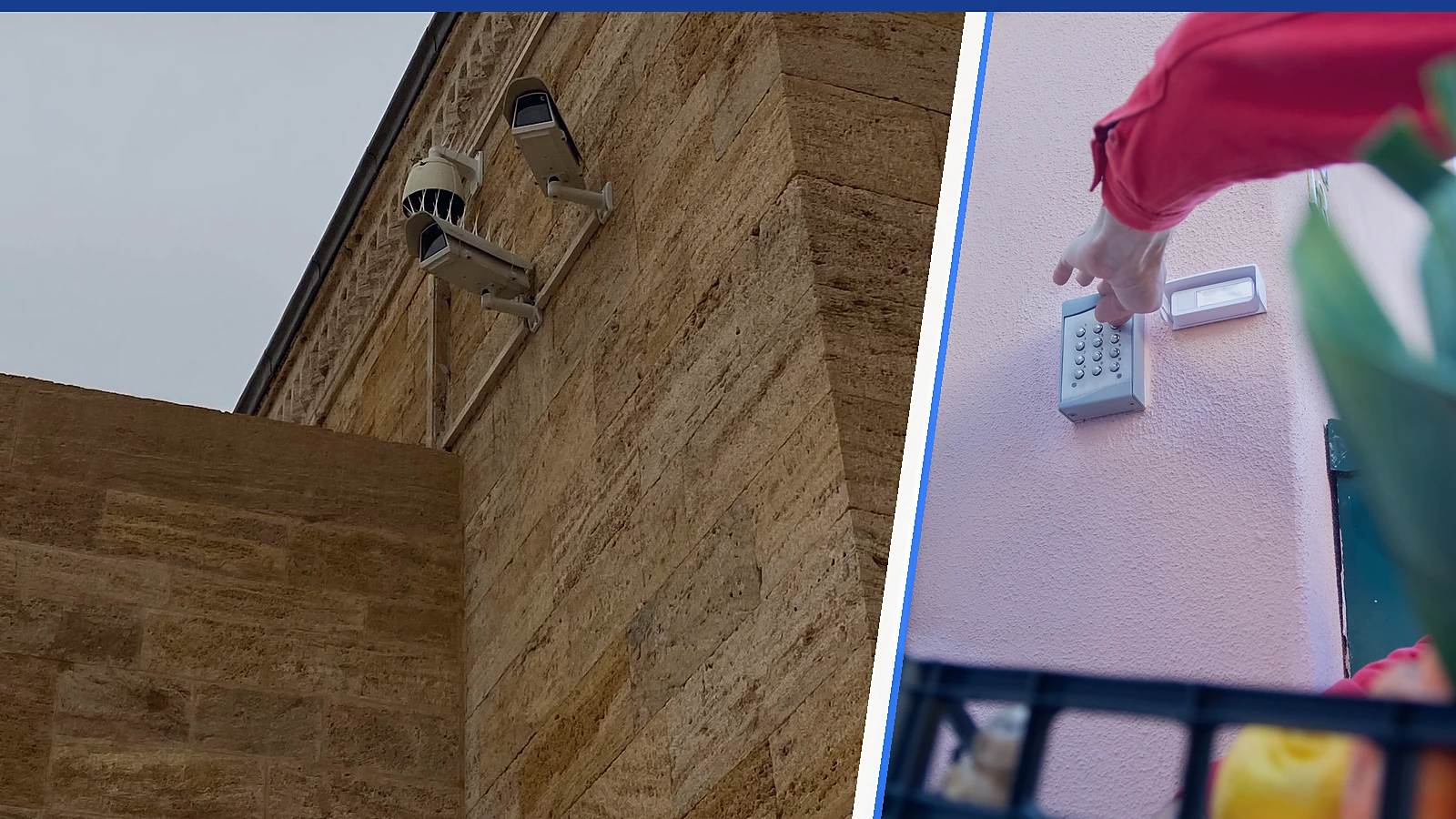
NAPCO makes electronic locks, intrusion and fire-alarm equipment, and school security products. It also collects recurring fees for cellular connections and other services used by installed security systems.
Recurring services provide nearly half of quarterly sales
Recurring service revenue increased 12.9% to $25.3 million and represented about 45% of total fourth-quarter revenue. The company said the service business maintained a gross margin above 90%.
That margin makes the service operation especially important to NAPCO’s earnings. Once a compatible alarm or communications product has been installed, the company can continue collecting service fees without manufacturing and selling another piece of equipment every month.
Management said recurring service revenue had a prospective annual run rate of approximately $103 million based on July 2026 revenue. A run rate annualizes the latest monthly figure. It is not revenue already earned, contracted annual revenue or a guarantee of what the company will report over the next 12 months.
Equipment revenue also increased, rising 7.7% to $30.5 million. Chief Executive and President Kevin Buchel said demand for door-locking products remained strong, while fourth-quarter intrusion-product sales grew 36%, mainly because of increased sales of StarLink fire communicators.
StarLink devices use cellular networks to transmit fire and security signals. They can replace older alarm connections that relied on traditional copper telephone lines.
Tariff refunds boosted the quarterly profit increase
NAPCO’s quarterly gross margin rose to 61.3% from 52.8% a year earlier. However, the company said tariff refunds accounted for approximately six percentage points of the latest margin and added about $0.09 to diluted earnings per share.
The distinction matters. The quarter still showed growth in equipment and recurring services, but part of the sharp increase in reported profit came from a refund rather than ordinary sales or lower continuing costs.
Adjusted earnings before interest, taxes, depreciation and amortization, commonly called adjusted EBITDA, increased 44.3% to $20.6 million. Its adjusted EBITDA margin rose to 36.8% from 28.1%.
Adjusted EBITDA is a company-defined measure used to compare operating performance before several financial and accounting items. It is not standardized under US accounting rules, so investors should also consider the reported net income and cash-flow figures.
Full-year revenue passes $200 million
For the full fiscal year, revenue increased 11.4% to $202.3 million. Recurring service revenue rose 13% to $97.5 million, while equipment revenue increased 10% to $104.8 million.
Full-year net income slipped 0.9% to $43 million after a $16 million litigation settlement charge recorded in the third quarter. Excluding that charge under the company’s non-GAAP presentation, net income increased 32% to $57.3 million.
The settlement concerned shareholder litigation described in NAPCO’s quarterly filing with the Securities and Exchange Commission. The SEC had separately closed an investigation into earlier restatements without further action in January 2026.
Free cash flow increased 15.2% to $59.2 million for the year. NAPCO defines free cash flow as operating cash flow minus purchases of property and equipment.
The board raised the quarterly dividend by 13.3% to $0.17 per share. It is payable on October 2 to shareholders of record on September 11.
The company’s full results show why the service business is now central to the investment case. Equipment still generated slightly more revenue, but recurring services produced much higher gross margins and a continuing stream of fees from products already installed.
