
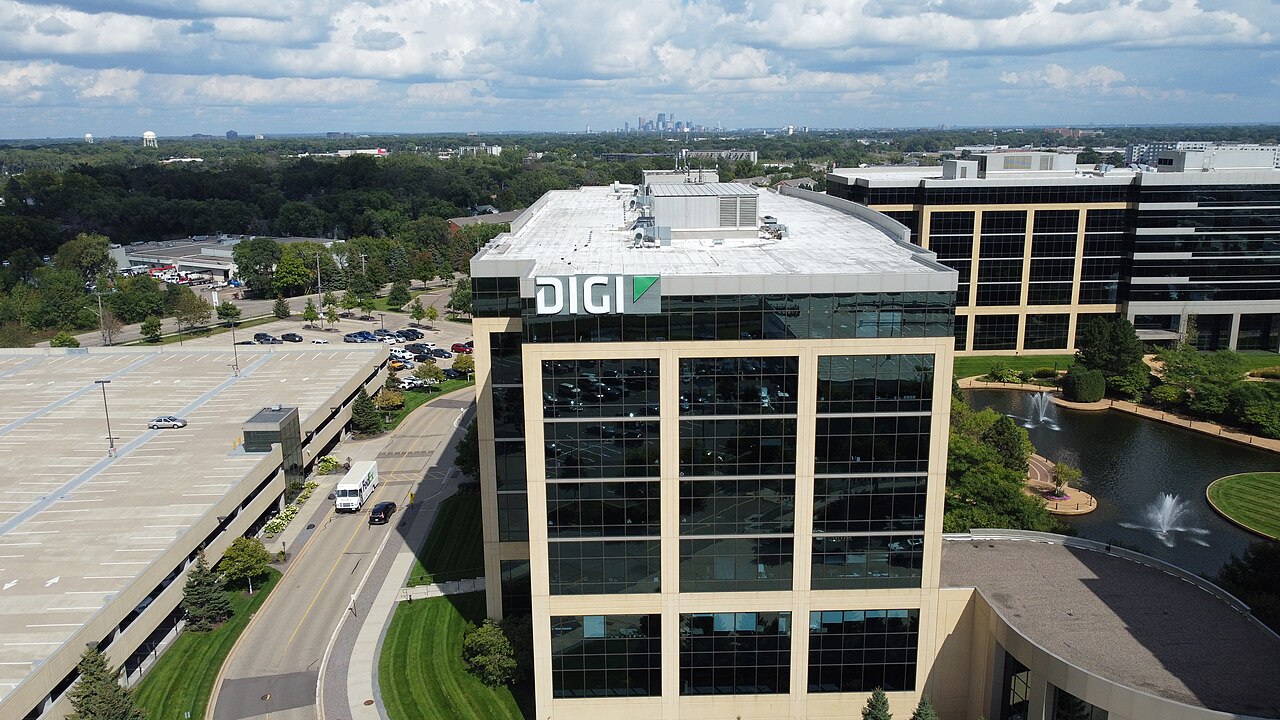
Digi International has agreed to acquire Disruptive Technologies for $130 million in cash, adding wireless sensing technology to its SmartSense business and extending its reach into European markets.
The agreement, announced on October 1, remains subject to regulatory approval. Digi expects the transaction to close before the end of 2026 and plans to finance it through its existing revolving credit facility, a borrowing arrangement that can be drawn on and repaid.
According to Digi’s announcement, Disruptive Technologies generated $15 million in revenue in calendar 2025 and $4 million in annualized recurring revenue, a measure of repeat business expressed on an annual basis.
“Physical world intelligence is a foundational layer for enterprise AI,” said Ron Konezny, Digi’s chief executive.
Sensors supply the operating data
SmartSense combines measurements from physical equipment with analytics and digital procedures that help businesses monitor operations. Digi says the acquisition would expand the range of conditions it can monitor, serving existing food and healthcare customers while adding opportunities in building automation and occupancy.
These services use the Internet of Things, or IoT: physical devices connected to networks so their measurements can reach software and people elsewhere. Our earlier coverage of why connected devices still matter for businesses explains how monitoring, maintenance and responsibility for those devices continue after installation.
Disruptive Technologies’ product range includes sensors for temperature, humidity, water, motion, doors and desk occupancy. Its Cloud Connector acts as a gateway, collecting nearby sensor readings and relaying them to online systems through a cellular or Ethernet connection.
The company’s Studio software lets users set triggers for alerts, view measurements and export data. For customers, that means the purchase involves devices, connectivity and software, with each part needed to turn a measurement into information staff can use.
A temperature reading can flag a problem in refrigerated storage. Responding still requires a procedure for checking the equipment, assessing the goods and recording what staff did. Adding AI analysis does not remove that operational work.
Battery life depends on the deployment
Digi says Disruptive Technologies has more than 250,000 sensors deployed. The target company advertises battery life of up to 15 years, but its support documentation qualifies that estimate.
Actual battery life depends on the sensor model, reporting frequency, operating conditions and use. Some models have built-in batteries; others permit battery replacement.
Those conditions affect the cost of running a large installation. A business planning to monitor many locations needs to consider access for replacement, the frequency of readings and the temperatures the devices will encounter, alongside the initial hardware price.
Digi expects the acquisition to give SmartSense its first substantial commercial presence in Europe. It points to Disruptive Technologies’ European customer relationships and infrastructure across more than 25 countries worldwide.
The commercial opportunity is to serve customers operating in several regions through a more consistent monitoring system. That remains Digi’s acquisition rationale, with delivery dependent on completing the deal and bringing the businesses together.
A cash acquisition backed by borrowing
The proposed purchase follows a period of growth at Digi. In its results for the quarter ended June 30, 2026, the company reported revenue of $139 million, up 29% from a year earlier, and net income of $16 million, up 54%.
Those results already included acquired businesses. Digi said the quarter contained Jolt Software’s results for the full period and Particle’s results following its January acquisition. The reported growth should not be read as entirely organic.
At June 30, Digi reported outstanding debt of $109 million and cash and cash equivalents of $28 million. Those are historical balances, before the proposed Disruptive Technologies transaction, rather than a forecast of debt after completion.
Funding the purchase through the credit facility would increase the amount Digi has borrowed. The announced $130 million price is the cash consideration for the acquisition, not an annual investment budget for sensors or AI.
Regulatory approval and the expected year-end closing remain pending. The announcement does not specify a rollout date for a combined SmartSense and Disruptive Technologies product range.
