
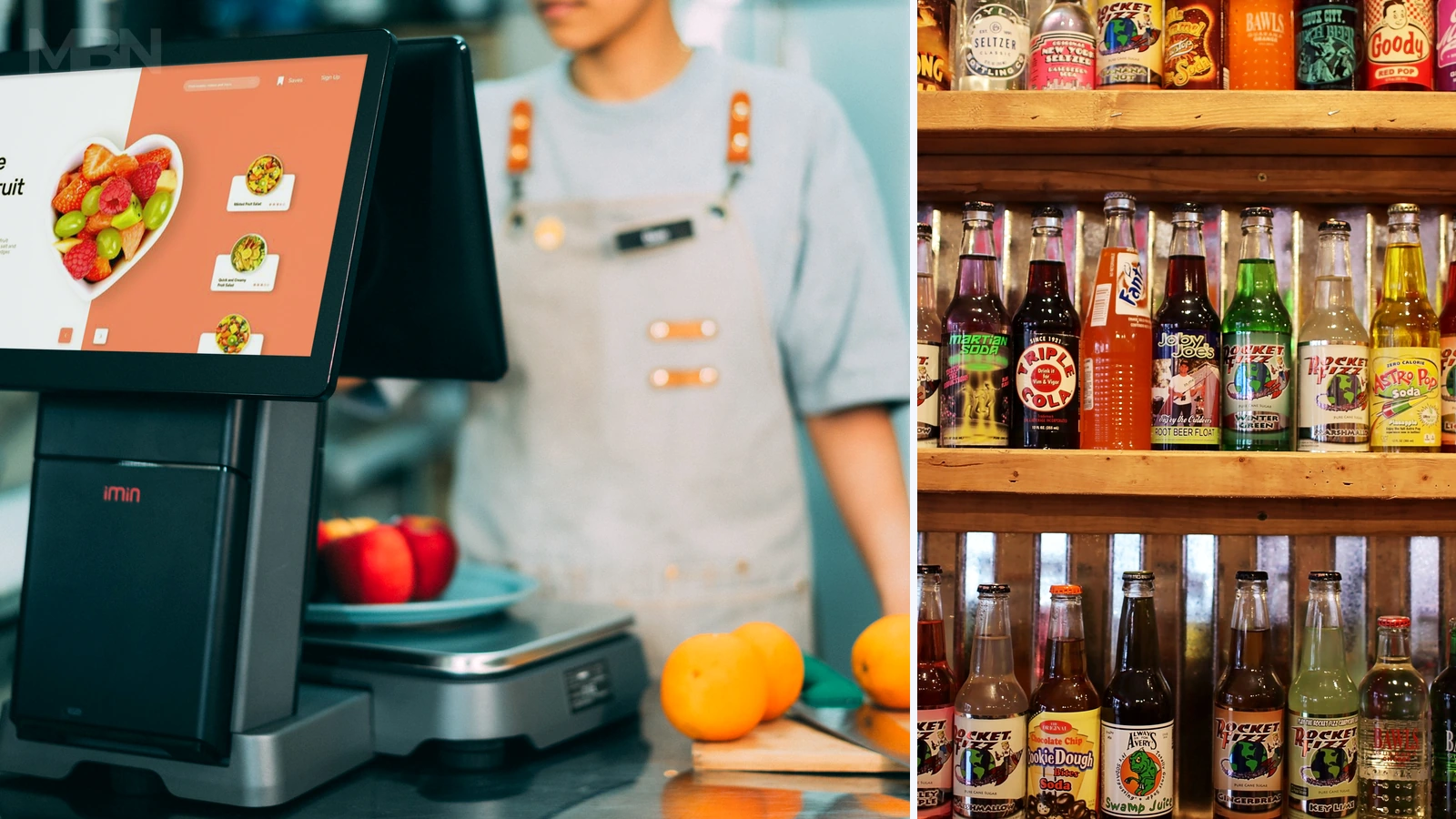
Berkeley’s restrictions on foods and drinks displayed at store checkouts were associated with lower soda sales after the rule became enforceable, a new study found. Overall candy sales did not show a comparable decline.
The research published in The Lancet Public Health on September 9 examined sales data from 71 chain stores in Berkeley and three other California cities between 2019 and 2023.
Its estimate for soda sales after enforcement was 39.5% lower relative to comparison cities. The uncertainty around that estimate was wide: the reported range ran from roughly 7 to 7,774 fewer litres per store per quarter.
Small candy packages sold in supermarkets declined, but the findings differed by product, package size and store type. The results do not support a claim that every checkout product sold less.
Changing what shoppers see at the till
The policy works by changing product placement. It does not prohibit customers from buying candy or soda elsewhere in a store.
Berkeley’s ordinance took effect in March 2021 and allowed enforcement from January 2022. It covered stores larger than 2,500 square feet that sold at least 25 linear feet of food.
At checkout, drinks must contain no added sugar or artificial sweeteners. Foods must meet sugar and sodium limits and belong to permitted categories, such as fruit, nuts, seeds, yoghurt, cheese or whole grains.
This is more specific than putting a healthy snack beside a row of sweets. A retailer has to decide which products qualify and reorganise the checkout display accordingly.
The commercial logic behind the research is easy to follow. Shoppers encounter the checkout even when they have finished choosing their main groceries. A product placed there gets another opportunity to be noticed and bought.
How the researchers tested the rule
The team compared changes in Berkeley with changes in stores elsewhere, using a method called difference-in-differences. It aims to separate the policy-associated change from broader changes happening over the same period.
The study was not a randomised trial. It tracked sales rather than individual consumption or health, and covered only part of the chain-store market.
Those boundaries are important when applying the findings. Buying less of an item at a measured store does not tell researchers everything a household bought elsewhere, consumed at home or discarded.
Earlier research on Berkeley’s checkout environment examined what stores displayed. The new sales analysis addresses the next question: whether purchasing patterns changed too.
What retailers can learn
For a shop operator, adjusting a checkout involves both product selection and day-to-day compliance. Staff need clear guidance on which items qualify, and replacement products need to remain available when displays are restocked.
That implementation challenge appeared in a separate research presentation on Berkeley’s policy. Interviews with retailers identified communication and technical assistance as issues, even though most respondents described implementation as easy.
MBN’s report on dollar-store access and community health explores the wider relationship between retail environments and health. The checkout study concerns a narrower intervention: the products displayed at one especially visible point in a shopping trip.
For future evaluations, the useful questions include whether the sales changes last, whether shoppers switch to other products or stores, and how consistently the checkout rules are applied.
