
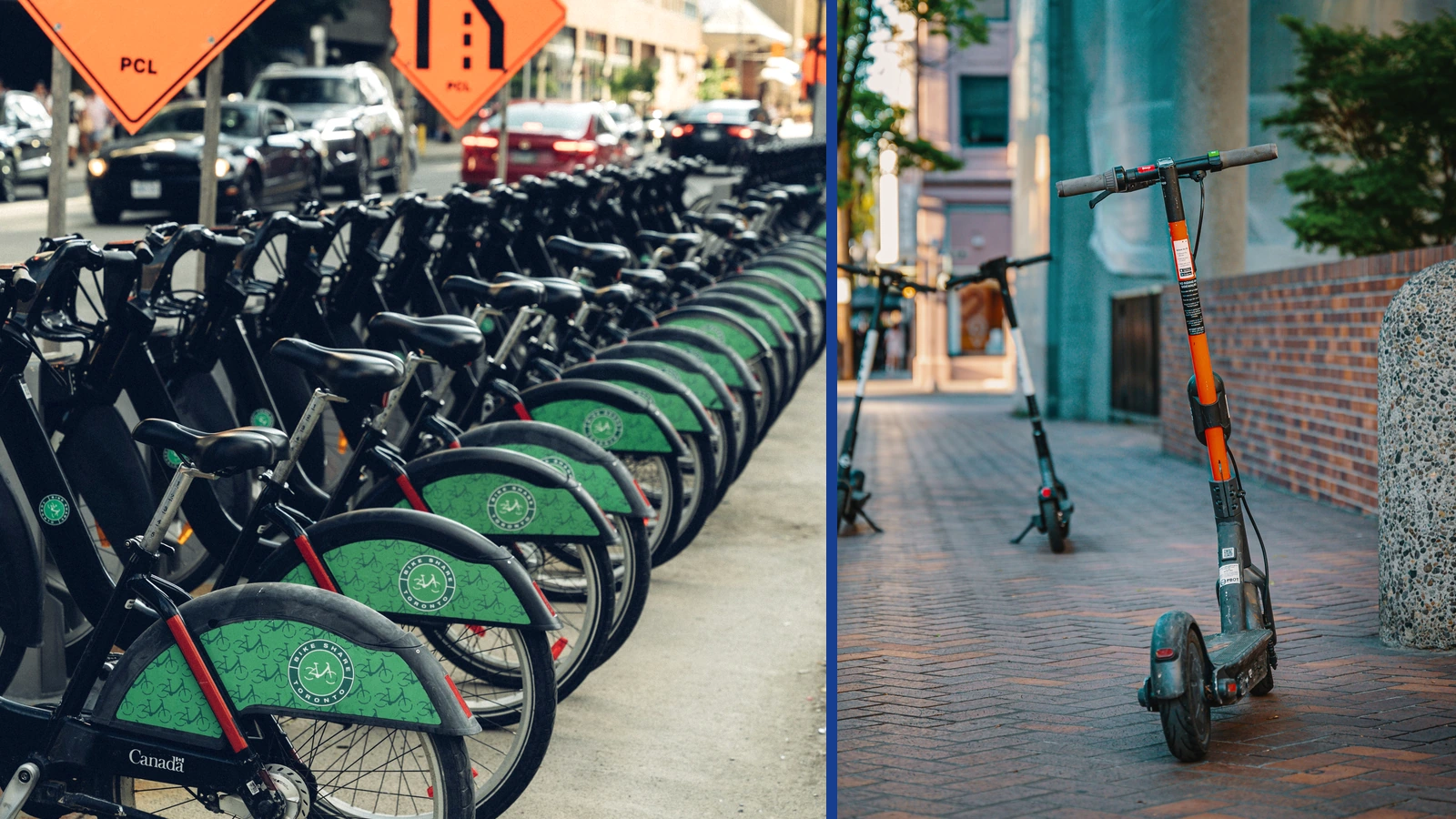
A 30-minute shared electric-bike ride cost an average US$10.75 on a pay-as-you-go basis in station-based systems in National Association of City Transportation Officials (NACTO) member cities in 2025, up from US$7.50 in 2023, according to the association’s report.
For someone trying to cross a city without paying for parking or a taxi, a rented bike can be convenient. Someone using one every working day needs to know whether the short ride is affordable enough to become a habit.
Demand is growing. The North American Bikeshare and Scootershare Association (NABSA) reported at least 237 million shared micromobility journeys across North America in 2025, 5% more than in 2024.
“People rely on shared micromobility in their communities to get to where they need to go,” said its executive director, Sam Herr.
The economic opportunity extends beyond rental companies. Smaller vehicles could help households reduce some travel expenses and make bus and rail services easier to reach. Those benefits depend on prices, safe routes and which journeys they replace.
What is micromobility?
Micromobility means travel using small, lightweight vehicles, including bicycles, electric bikes and electric scooters, generally for short journeys. Vehicles can be privately owned or rented through shared schemes.
Some shared systems use docking stations. Others allow vehicles to be collected and returned within designated areas without a fixed dock. Vehicle types and local rules differ, so micromobility is not one uniform service or legal category.
Owning and renting have different costs
NACTO’s 2025 report puts the average 30-minute pay-as-you-go pedal-bike ride at US$4.35. A 15-minute dockless e-bike or e-scooter rental averaged US$7.65. These are member-city averages, not prices for every North American service; memberships and concession schemes can change what riders pay.
A privately owned bicycle has purchase, maintenance and storage costs, but no rental charge for each journey. Regular use can therefore produce a different financial outcome from repeated pay-as-you-go bookings.
The size of the saving also depends on what happens to the household’s car. Cycling occasionally may reduce fuel and parking expenditure while leaving insurance and other ownership costs largely intact. Avoiding a second car could save considerably more.
Operators must pay for repairs, charging and moving vehicles to places where customers need them. NACTO says electric vehicles have higher labour and maintenance costs than pedal bikes. More customers do not automatically make an affordable service financially sustainable.
The association advocates public funding and contracts that support affordability and equitable vehicle distribution. That is a policy recommendation, rather than evidence that every scheme deserves a subsidy.
The connection matters as much as the vehicle
A bike or scooter can bridge the distance between a home and a bus stop or railway station. Transport planners call the part of a journey before or after the main public transport service the first-mile or last-mile connection.
NABSA reports that 70% of riders said they used shared micromobility to connect to public transport. That refers to riders reporting such use, not 70% of all journeys, and does not by itself demonstrate an increase in bus or rail passenger numbers.
Congestion benefits require a further change. Replacing a car journey can remove a vehicle from traffic. Replacing a walk does not. Counting scooter bookings alone cannot establish how much traffic a city has avoided.
Environmental performance also includes manufacturing and fleet servicing. The International Transport Forum’s 2024 assessment found improvements associated with longer-lasting vehicles, easier repairs and more efficient servicing. It supports examining the whole service, rather than assuming an electric ride has no environmental cost.
Safety remains a constraint. The forum’s 2024 safety report found declining shared-scooter crash risk as use grew faster than injuries, while warning about rising severe injuries. It recommended better infrastructure and vehicle design alongside measures addressing rider behaviour.
Cities consequently have to consider safe routes and parking that keeps pavements accessible, alongside fares and fleet availability. A cheap ride offers little help if the route feels dangerous or no vehicle is available for the return journey.
For the commuter facing a short gap between home and the station, the decision comes down to vehicle availability, a safe route and the cost of the whole trip. Micromobility becomes economically useful when those conditions make leaving the car at home a workable everyday choice.
